
Last updated November 18, 2026
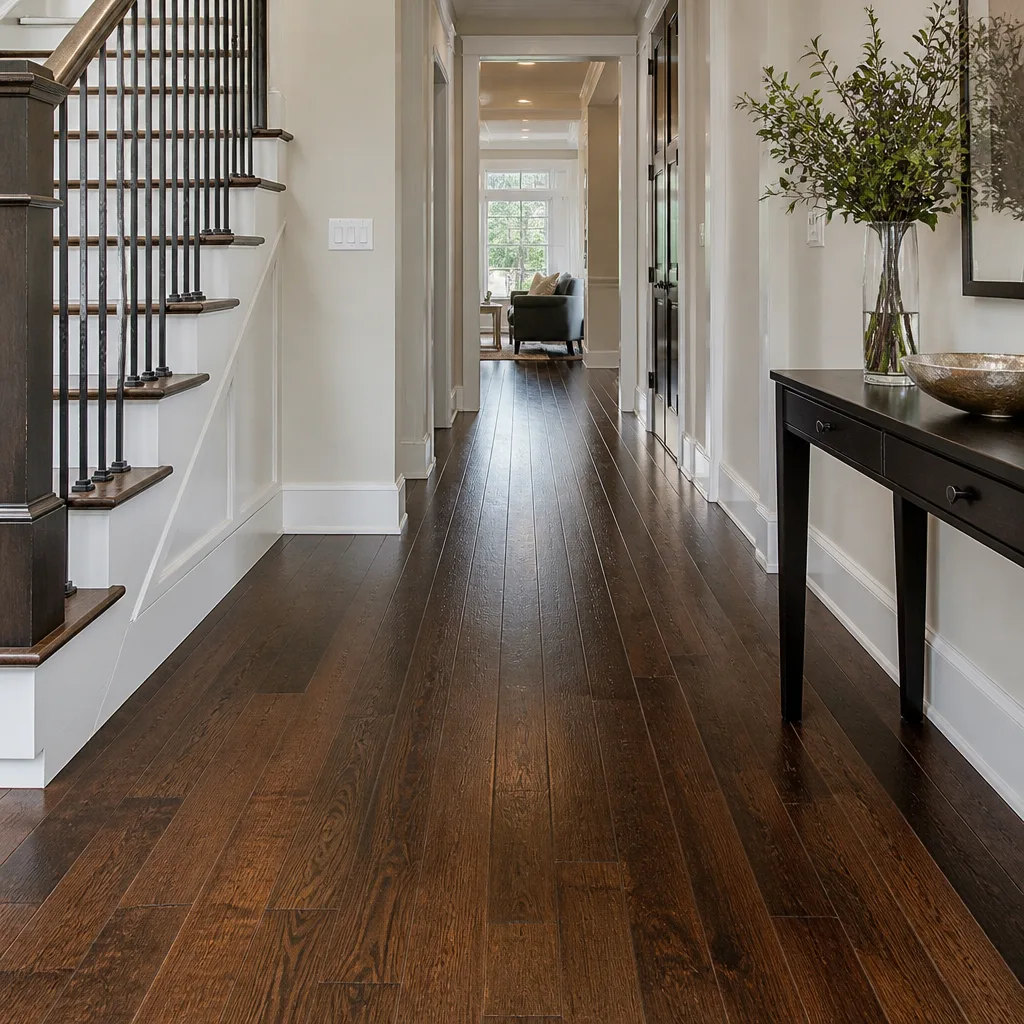 Hardwood
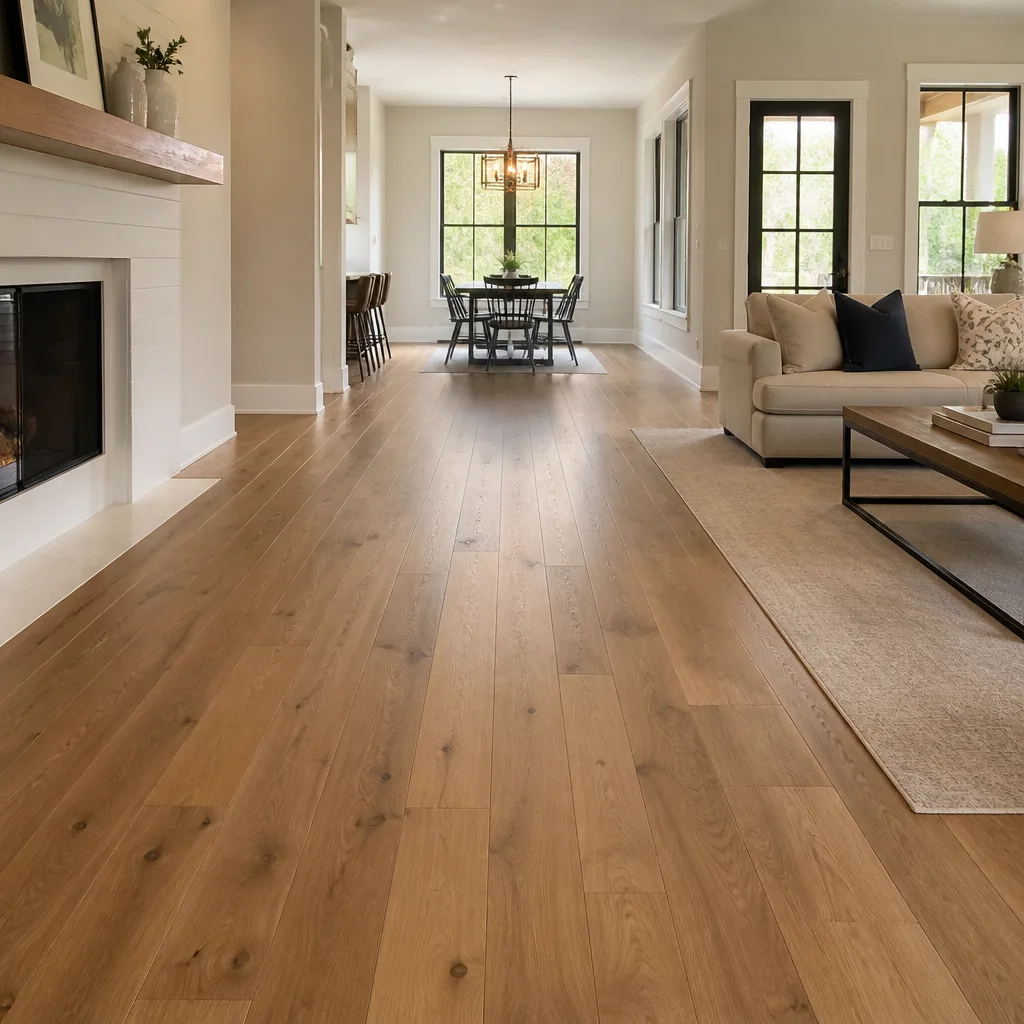 Engineered hardwood
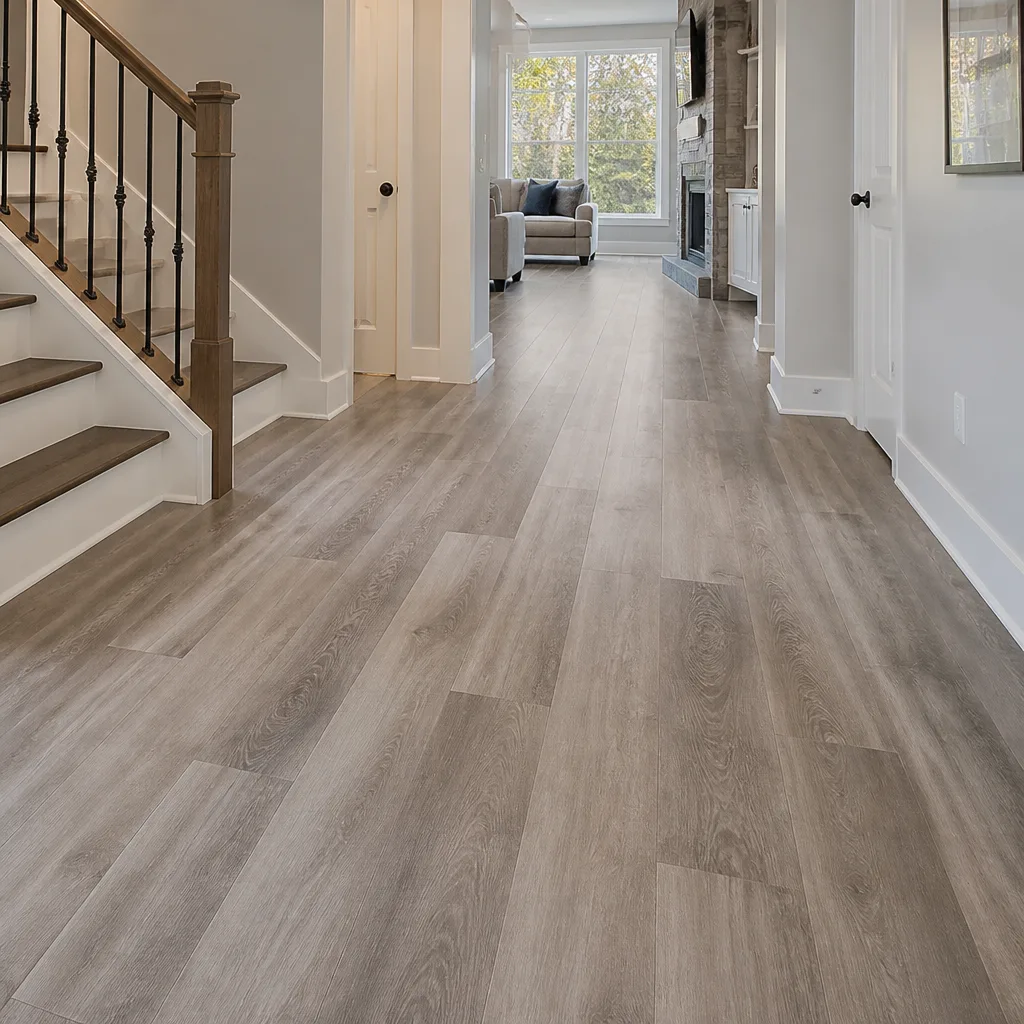 Luxury vinyl plank
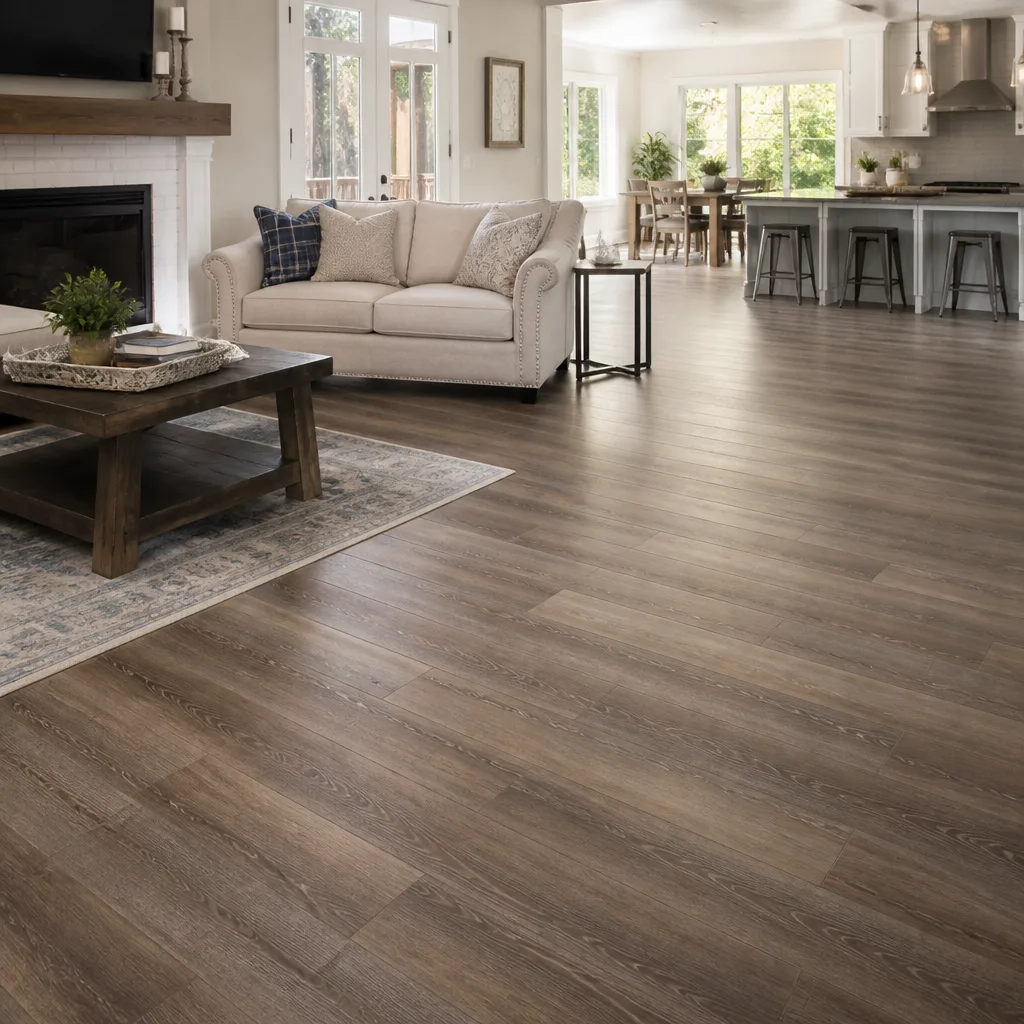 Laminate
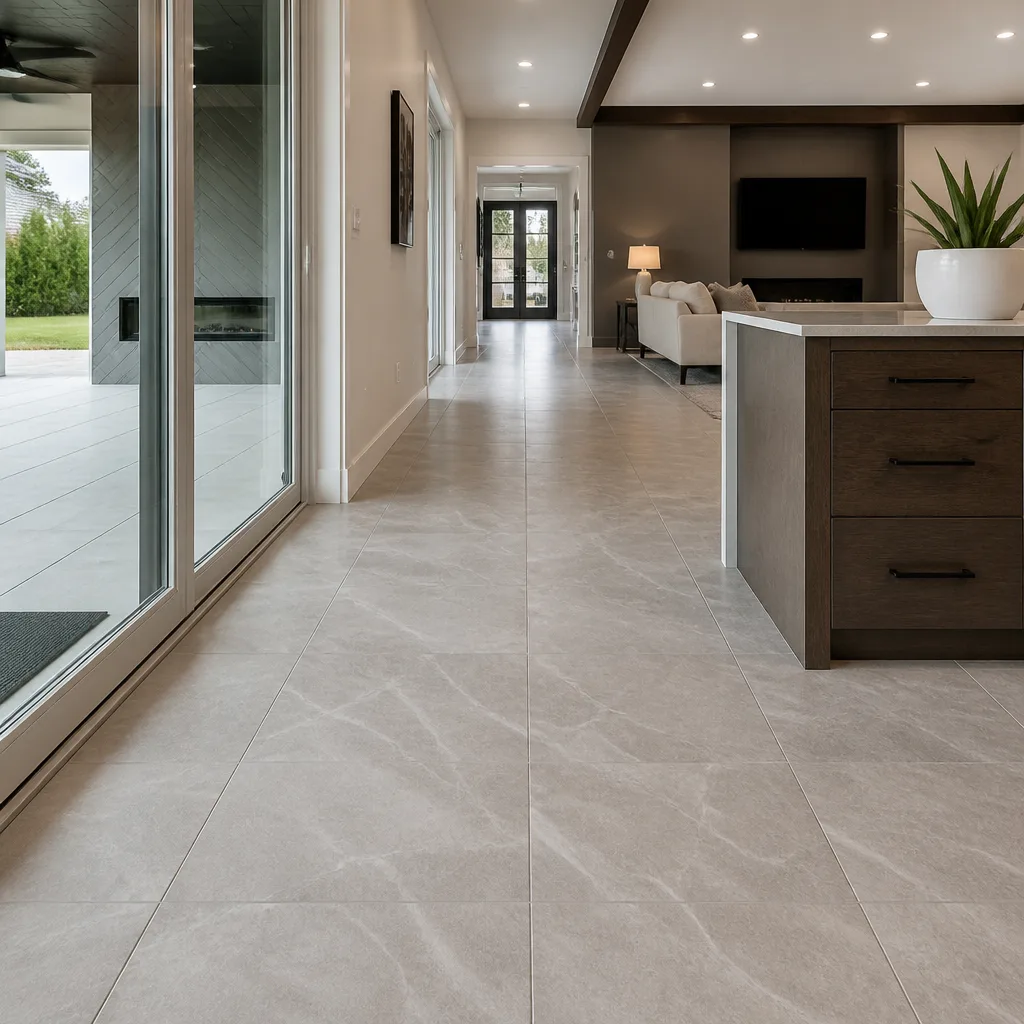 Porcelain tile
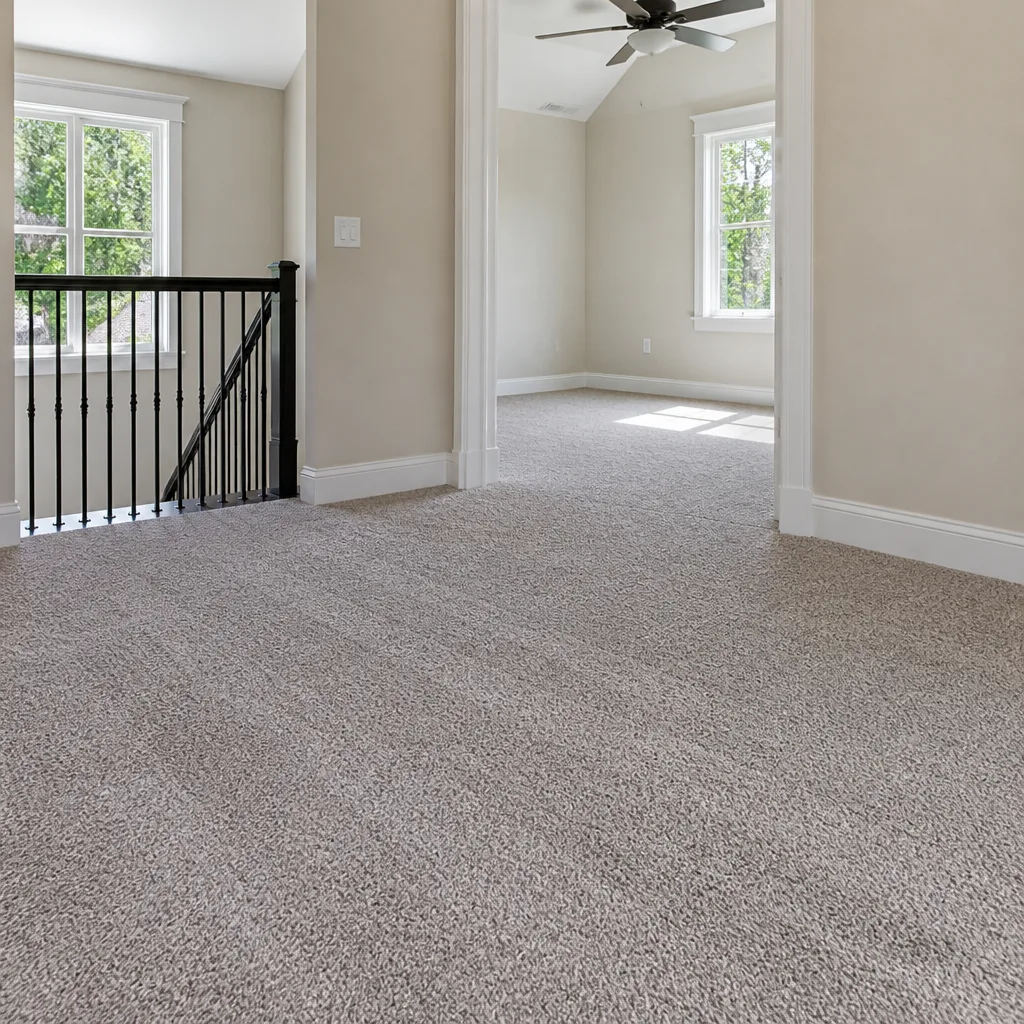 Carpet
 Shaw
 Mohawk
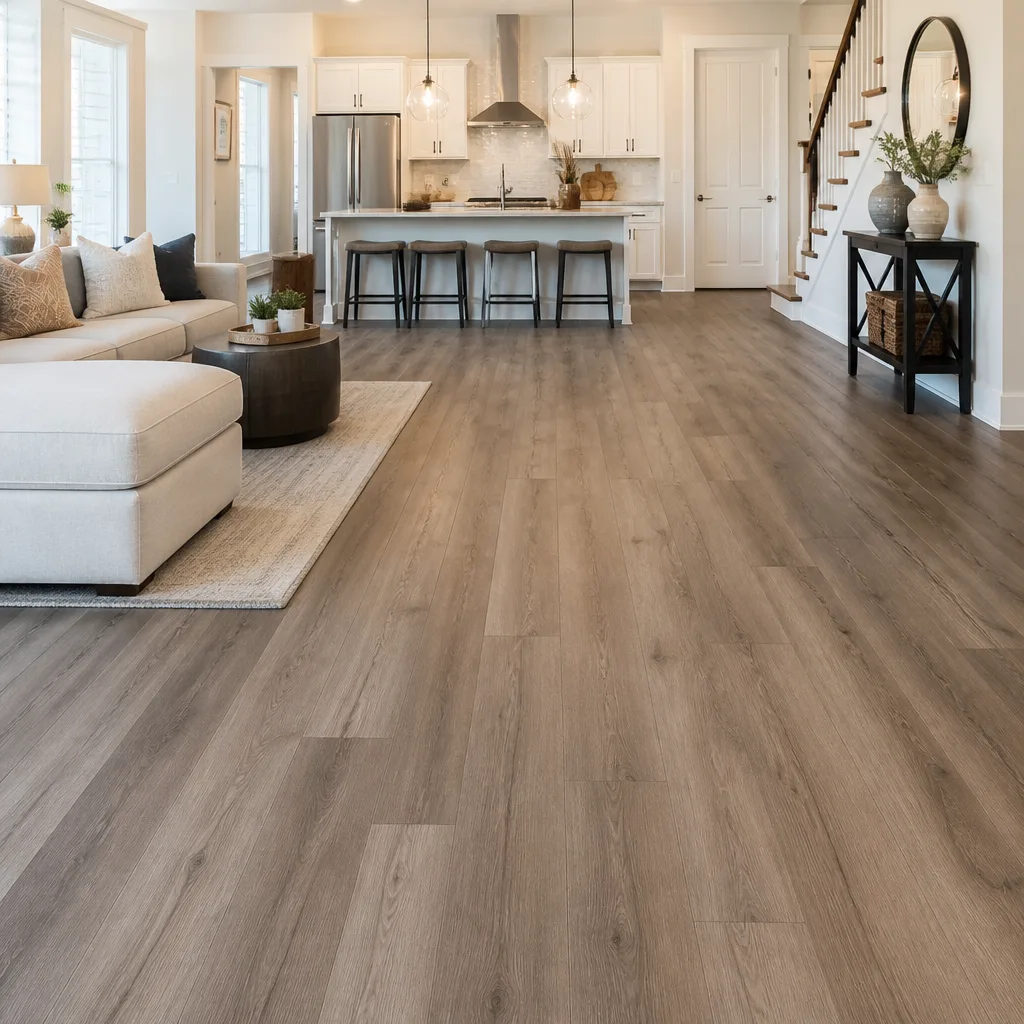 COREtec
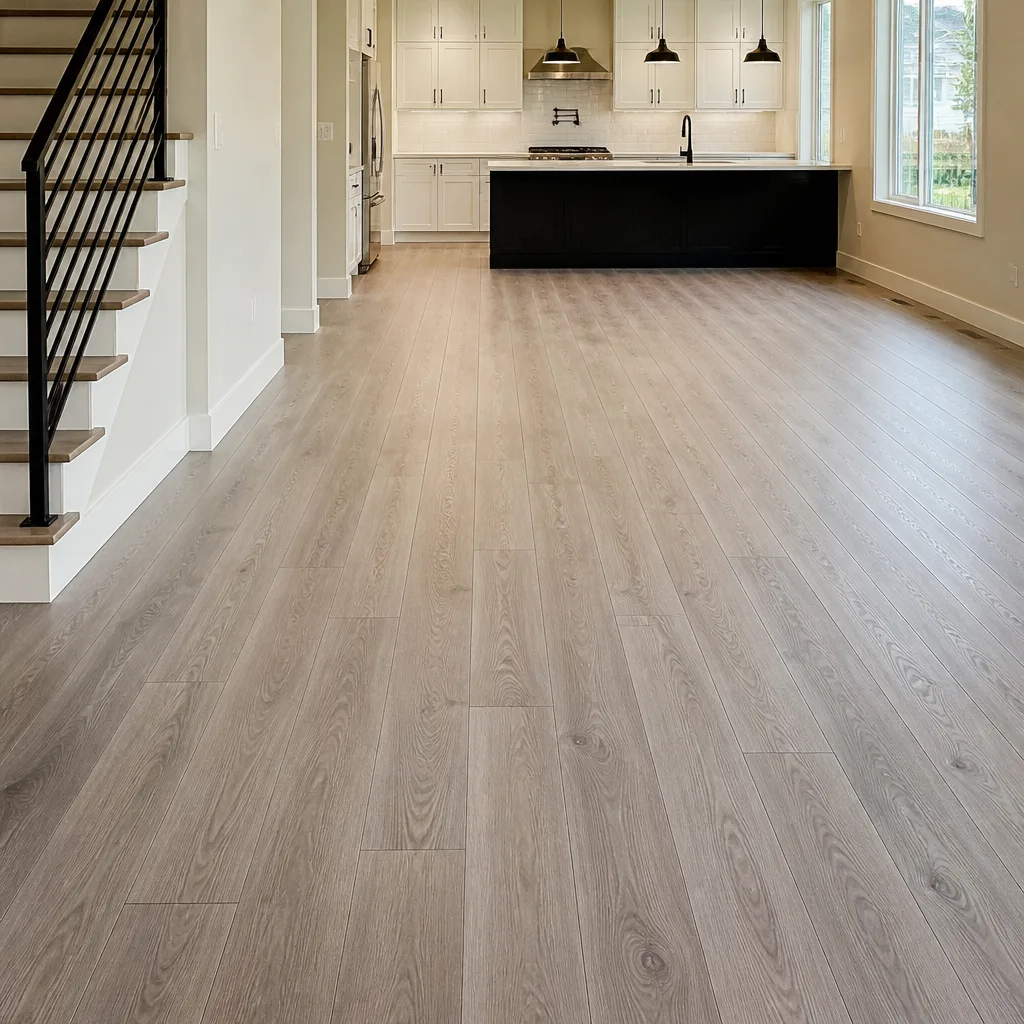 Pergo
Free in-home measure and written estimate: Shaw, Mohawk, COREtec and Pergo lines compared on your own rooms, with carpet, tile, vinyl plank, laminate and hardwood laid out side by side
Get your free estimateFlooring Cost Breakdown: The North Las Vegas Homeowner’s Reference for 2026
The per-square-foot price on a big-box ad is the least useful number in your flooring budget. It tells you what one plank or one tile costs, and almost nothing about what the job will actually cost you once the old floor is up. The charges that move a North Las Vegas flooring project are the ones that show up after demo: a leveling skim coat on a slab that isn’t flat, 15% extra material on a diagonal layout, haul-away of old tile that has to go to a restricted landfill, transition strips at every doorway. None of those are surprises. They’re predictable, and this reference walks you through each line item so you know what to expect before you sign, not after.
Quick Answer
Flooring costs in North Las Vegas in 2026 are driven less by material choice than by three factors: subfloor condition, waste factor on the layout, and disposal of the existing floor. Expect tile to run roughly $8 – $16 per square foot installed, LVP $4 – $9, laminate $4 – $8, hardwood refinishing $3 – $6, and carpet $3 – $7, with subfloor prep adding $200 – $900 on top depending on what’s under the old floor. A written, itemized estimate is the only number that means anything.
Styles & brands we work with
- Hardwood
- Engineered hardwood
- Luxury vinyl plank
- Laminate
- Porcelain tile
- Carpet
- Shaw
- Mohawk
- COREtec
- Pergo
Table of Contents
- Why the Sticker Price Misleads You
- The Line Items Every Estimate Should Break Out
- Itemized Cost Table: Material, Labor, Underlayment, Adhesive
- Layout and Waste Factor: Why Diagonal and Herringbone Cost More
- Subfloor Repair: Skim Coat Versus Plywood Overlay
- Disposal and Haul-Away: Tile Versus Carpet
- How to Read a Quote for Hidden Escalators
- North Las Vegas Climate and Housing Stock: What They Do to Flooring Costs
Why the Sticker Price Misleads You
A per-square-foot rate quoted at a store assumes a flat subfloor, a simple layout, and a floor you remove yourself. None of those are the average North Las Vegas home. The rate also usually excludes underlayment, adhesive, trim, and disposal, which together can add 20% to 40% to the material-and-labor total. That’s not a scam. It’s how retail flooring pricing works: the per-foot number is a sales tool, not a job estimate.
The right way to read a flooring budget is line by line. Material is one line. Labor is another. Underlayment, adhesive, trim, subfloor prep, and disposal are each their own line. When you see them broken out, you can compare quotes fairly and you can spot the one that’s hiding something. When a quote is a single number, you can’t do either.
North Las Vegas homes built in the 1990s and 2000s often have one specific pattern: a post-tension slab that was poured flat enough for carpet or tile but not flat enough for a floating plank floor. That’s where the subfloor line item comes from. It’s also the most common reason a budget estimate and a final invoice diverge.
Our technicians have up to 12 years of experience reading these jobs at the estimate visit, before a single board comes up. That visit is free, and it’s where the real number gets set.
The Line Items Every Estimate Should Break Out
Here’s the checklist of what should appear on a written flooring estimate. If a quote is missing several of these, ask why before you compare it to another quote.
- Material. The flooring itself, priced by the square foot of coverage needed (not square foot of room).
- Waste factor. The overage added to material for cuts and bad boards. Usually 5 – 10% for a straight lay, 10 – 15% for a diagonal or herringbone layout.
- Labor. Installation cost per square foot, or a flat rate for smaller jobs.
- Underlayment. Padding under carpet, a moisture barrier or acoustic underlay under laminate or plank, a crack-isolation membrane under tile.
- Adhesive or fasteners. Thinset and grout for tile, tack strip and staples for carpet, glue-down adhesive for some plank products.
- Subfloor preparation. Skim coat, patch, or plywood overlay if the existing subfloor isn’t flat or clean.
- Demo and disposal. Removal of the old floor and haul-away, broken out from installation.
- Trim and transitions. Baseboard removal and reinstall, quarter round, threshold strips, T-moldings at doorways.
- Furniture moving. Sometimes included, sometimes not. Ask before the crew arrives.
- Tax and permit costs. Only if the job actually requires a permit. Most flooring replacements in a single-family North Las Vegas home do not, but always confirm with the city’s building department for your specific scope.
If you’re comparing three quotes and each one bundles the stuff above into a single number, you’re comparing apples to oranges. Get each one itemized and the real comparison takes ten minutes.
Itemized Cost Table: Material, Labor, Underlayment, Adhesive
Here are typical 2026 ranges for North Las Vegas flooring work, broken out by line item. These are estimates for budgeting, not quotes. The written estimate on your specific job sets the final price.
| Flooring Type | Material (per sq ft) | Labor (per sq ft) | Underlayment (per sq ft) | Adhesive or Fasteners (per sq ft) |
|---|---|---|---|---|
| Tile (ceramic or porcelain) | $3 – $8 | $4 – $8 | $1 – $2 | $1 – $2 |
| Luxury vinyl plank | $2 – $5 | $2 – $4 | $0.50 – $1 | $0 – $0.50 |
| Laminate | $2 – $4 | $2 – $3 | $0.50 – $1 | $0 – $0.25 |
| Carpet | $2 – $5 | $1 – $2 | $0.50 – $1 | $0.25 – $0.50 |
| Hardwood refinish (no new material) | N/A | $3 – $6 | N/A | $0 – $0.50 (sealer/finish) |
Add these on top:
- Subfloor prep: $200 for a light skim coat, up to $900 for a plywood overlay, more if the situation is complex.
- Demo and disposal: $1 – $3 per square foot for tile, $0.50 – $1.50 for carpet.
- Transitions and trim: $25 – $75 per doorway for threshold strips, $2 – $4 per linear foot for new baseboard.
Two homes with the same square footage and the same material choice can land $1,500 apart on the final number. The gap is almost always prep, disposal, and layout, not the flooring itself.
Layout and Waste Factor: Why Diagonal and Herringbone Cost More
A diagonal layout adds 10 – 15% to your material cost compared to a straight lay. A herringbone or chevron pattern can go higher because the cut waste is larger on every board. Here’s why it matters more in North Las Vegas than most homeowners expect.
North Las Vegas tract homes from the 1990s through the 2010s tend to have large open-plan great rooms: kitchen, dining, and living flowing into one another with no doors between them. That open floor is beautiful for a diagonal or herringbone install because the pattern is continuous across the whole space. It’s also where the waste factor compounds fastest, because the installer has to cut around every cabinet toe kick, every island, every angled wall, and every transition at the edges of the room.
The waste math works like this:
- Measure the total square footage of the floor area the planks will actually cover, including cuts at edges and doorways.
- Add 5 – 10% for a straight lay with the planks running parallel to the longest wall.
- Add 10 – 15% for a 45-degree diagonal layout.
- Add 15% or more for herringbone, chevron, or other patterns where waste from cuts goes up.
- Buy one extra box if you can, for future repairs. Plank dyes can vary between production runs, so extra material saves you a headache if a board gets damaged later.
Pergo, Mannington, and Armstrong all offer plank formats that work well in diagonal installations, and the material choice is yours. What matters at the estimate is that the waste factor line is visible, not buried in a per-square-foot rate.
When you’re planning the full install, our flooring installation North Las Vegas process takes layout into account from the first measurement, not after the material is already ordered.
Subfloor Repair: Skim Coat Versus Plywood Overlay
Subfloor prep is where most flooring budgets go off the rails, and it’s also the line item most estimates hide. Here’s the difference between the two main fixes and how to tell which one your home needs before demo.
Skim coat is for a subfloor that’s slightly uneven or has minor divots and cracks. A trowel-applied patching compound fills the low spots and levels out the surface. It’s a $200-ish add-on on a typical room, and on the ready-for-plank side it’s often the entire fix. You need it when the floor is mostly flat but has small dips or ridges that would telegraph through a floating plank or under a thin tile.
Plywood overlay is the bigger fix. A new layer of plywood is screwed down over the existing subfloor to level it, provide a clean fastening surface, or bridge a problem area. It costs around $900 on a typical room and is the right call when the existing subfloor is out of tolerance, damaged, or unsuitable for the new floor.
How to tell the difference before demo:
- Walk it. A floor that feels like it has high and low spots across a 10-foot span usually needs more than a skim coat.
- Lay a straightedge. A 6-foot or 8-foot straightedge laid across the floor shows you where it dips. Small dips: skim coat. Big dips or long slopes: overlay.
- Check for soft spots. Any spongy area underfoot means the subfloor or joists need attention before new flooring goes down.
- Look for cracks and stains. A North Las Vegas slab with visible settling cracks may need a crack-isolation membrane before tile. Water staining on a plywood subfloor means you need to find the source first.
- Confirm what the floor requires. Every product has its own flatness requirements, and those come from the manufacturer’s instructions, not from us.
The right time to find this out is at the estimate visit, not after the crew has already pulled up the old floor. Tile work on a subfloor that isn’t ready is where callbacks come from, which is why our tile flooring installation process always confirms prep at the walk-through.
Disposal and Haul-Away: Tile Versus Carpet
Disposal is the line item most estimates don’t surface until after demo, and it’s a big one. Old tile is heavy, and in the Las Vegas valley it often has restrictions on how it can be disposed of. Old carpet is bulky but light. The gap between the two on a typical job can be several hundred dollars.
Tile removal and disposal costs the most per square foot for a few reasons. The material is brittle and comes up in chunks, so it needs to be bagged or loaded into a dumpster. It’s heavy, which means equipment and labor time go up. Many waste facilities in the Las Vegas metro treat tile, thinset, and porcelain as construction debris rather than general trash, so the disposal cost reflects that. On a 500-square-foot tiled area, expect the demo and disposal line alone to run a meaningful chunk of the total, roughly $1 – $3 per square foot.
Carpet removal and disposal is different. Carpet comes up in rolls, padding comes up in sheets, and tack strip comes up in strips. It’s bulky but light, and it’s usually accepted at general waste facilities. Expect roughly $0.50 – $1.50 per square foot for the demo and disposal combined.
Here’s what to ask before you sign:
- Is demo of the existing floor included, or priced separately?
- Is the haul-away included, or will I need to arrange a dumpster?
- If the old floor is tile or another heavy material, is there a separate surcharge?
- What happens to leftover material, boxes, and trim at the end of the job?
If a quote doesn’t answer those four questions, ask. It’s easier to get the answer now than to argue about it after the pile is in your driveway.
How to Read a Quote for Hidden Escalators
A quote can be honest and still surprise you if it contains wording that lets the final price move. Here’s what to scan for before you sign.
- “Up to X square feet” clauses. A flat-rate clause that covers the first X square feet and charges a per-foot rate beyond that is common. It’s fine if the estimate confirms your actual square footage and you understand the difference between “up to X” and “exactly X.” Get the square footage measured and written into the estimate.
- Minimum job fees. Some installers charge a minimum square footage or a minimum job total even if your room is small. That’s not a scam, but it should be visible on the quote, not a surprise at signing.
- After-hours or weekend delivery surcharges. Material delivered outside standard receipt times sometimes carries a surcharge. Ask how delivery is scheduled and what it costs.
- Subfloor prep exclusions. A quote that says “subfloor prep not included” means the number you’re looking at may change after demo. Ask for the price range for prep, in writing.
- Furniture moving exclusions. If the crew isn’t moving furniture, you’re moving it yourself or paying someone else.
- Trim and transition exclusions. Baseboard removal, reinstall, quarter round, and threshold strips at every doorway add up. Confirm they’re on the quote or budget for them separately.
- Material escalation clauses. Some quotes allow the material price to adjust if the product cost changes between signing and install. Rare, but worth asking about.
None of these are inherently unfair. They’re normal parts of a flooring quote. The problem is when they’re invisible, because that’s when the final invoice and the original budget stop matching up.
The cleanest way to avoid all of it: get a written, itemized estimate from a specialist who’s actually walked the floor and measured it. Our carpet installation estimates work the same way: measure, estimate, quote, then schedule.
North Las Vegas Climate and Housing Stock: What They Do to Flooring Costs
North Las Vegas sits on the valley floor in a desert climate with wide temperature swings between day and night, long dry stretches, and a monsoon season that delivers sudden moisture. That combination leaves fingerprints on flooring costs in ways that a generic cost guide won’t mention.
Interior humidity swings are the big factor. Indoor air in a North Las Vegas home can be very dry for most of the year and then briefly humid when a monsoon moves through. Solid hardwood and some laminate products react to that swing by expanding and contracting. That’s why underlayment and acclimation matter more here than they might in a more stable climate, and why the manufacturer’s instructions on the specific product set the schedule, not a rule of thumb. The written estimate should confirm what your specific floor needs.
Slab construction is common in North Las Vegas tract homes, and slabs can transmit moisture from below even in a desert. That’s why moisture testing and a proper underlayment are on the checklist for plank and laminate installs. It’s also why we treat COREtec and LifeProof as part of the standard conversation for kitchens, bathrooms, and pet-active households, not as an upsell. They’re water-resistant products designed for exactly that moisture picture, though standing water and moisture from below still have to be dealt with separately.
Housing stock matters too. Homes built in the 1990s and 2000s tend to have original carpet in bedrooms and original tile in kitchens and baths, both of which are due for replacement. Homes from the 2010s may have the original builder-grade flooring still in place. Older homes may need more prep work; newer ones may need less. Our North Las Vegas team sees both patterns at the estimate visit, and the quote reflects which one your home is in.
Twenty years of residential construction patterns in this valley have created specific prep challenges that a general cost guide can’t anticipate. That’s why the written estimate, based on an actual walk-through, is the number that matters.
Common Mistakes to Avoid
- Budgeting from a per-square-foot ad. A store rate excludes underlayment, adhesive, trim, prep, and disposal. That’s often a 20 – 40% gap between the ad and your real cost.
- Ordering material before the subfloor is checked. A skip-the-walkthrough order means wrong quantities or wrong products. Always let the estimate visit come first.
- Forgetting the waste factor. Straight lay needs 5 – 10% overage, diagonal needs 10 – 15%, herringbone more. Skipping the extra box means a return trip and a possible dye-lot mismatch when you need a repair later.
- Ignoring disposal in the budget. Old tile haul-away can rival the installation labor line on a mid-size room. Carpet is lighter but still adds up. Ask what’s included before signing.
- Assuming prep is included. Many quotes exclude subfloor work because the installer can’t see the floor underneath the old one at bid time. Get a written range for prep so the gap between quote and invoice doesn’t surprise you.
- Missing the transition strips. Six doorways on a North Las Vegas open-plan floor means six transitions. At $25 – $75 each, that’s real money that’s easy to forget if you’re budgeting per square foot only.
- Choosing the floor before the room. A beautiful plank floor in a bathroom with a leaking toilet is a waste of good material. Match the floor to the room’s moisture picture, then to your style.
See the difference
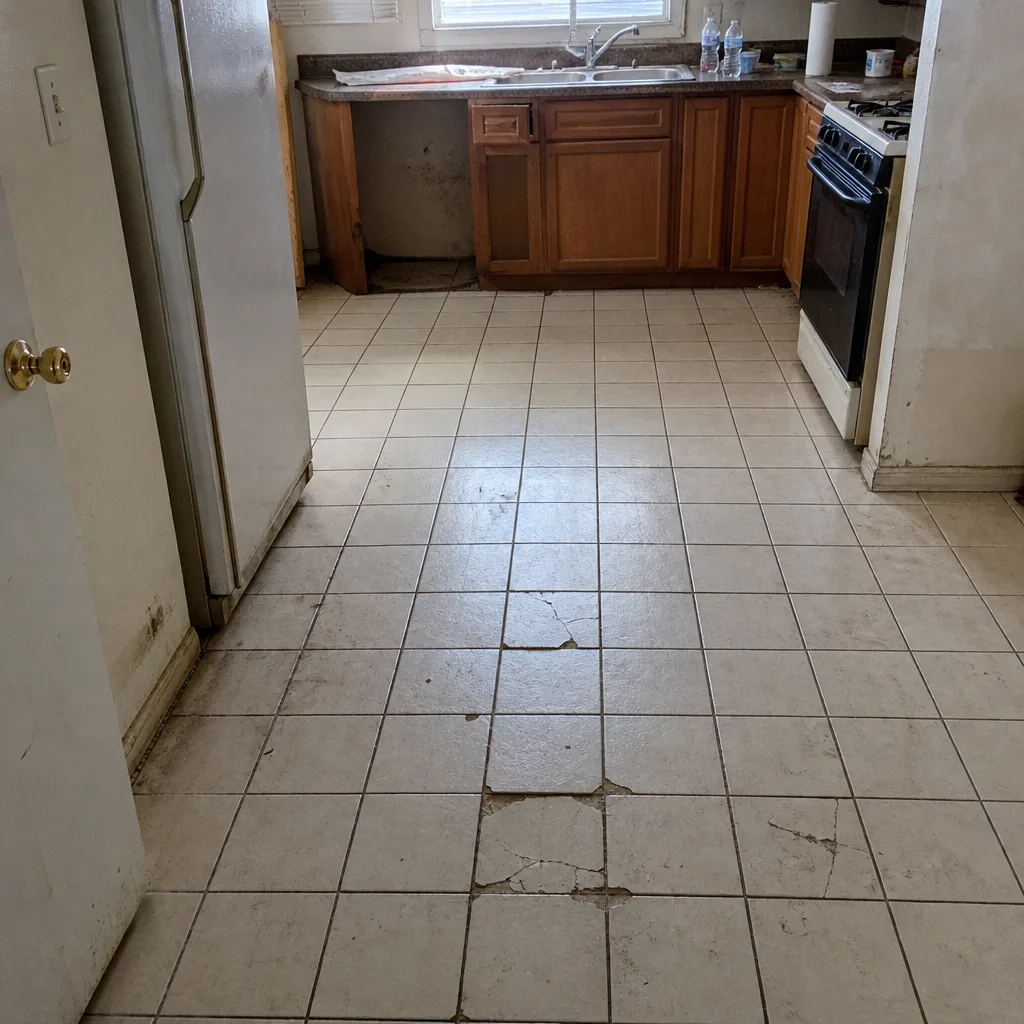 Before
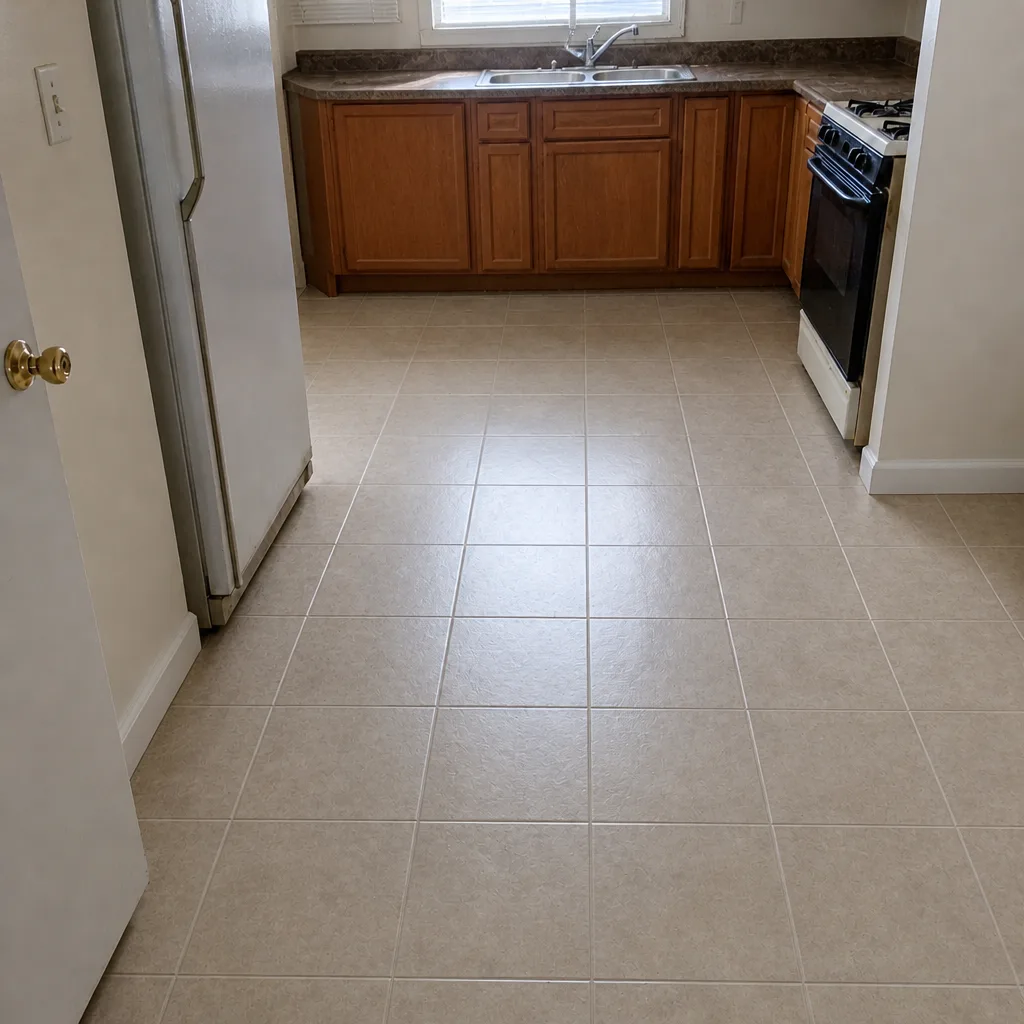 After
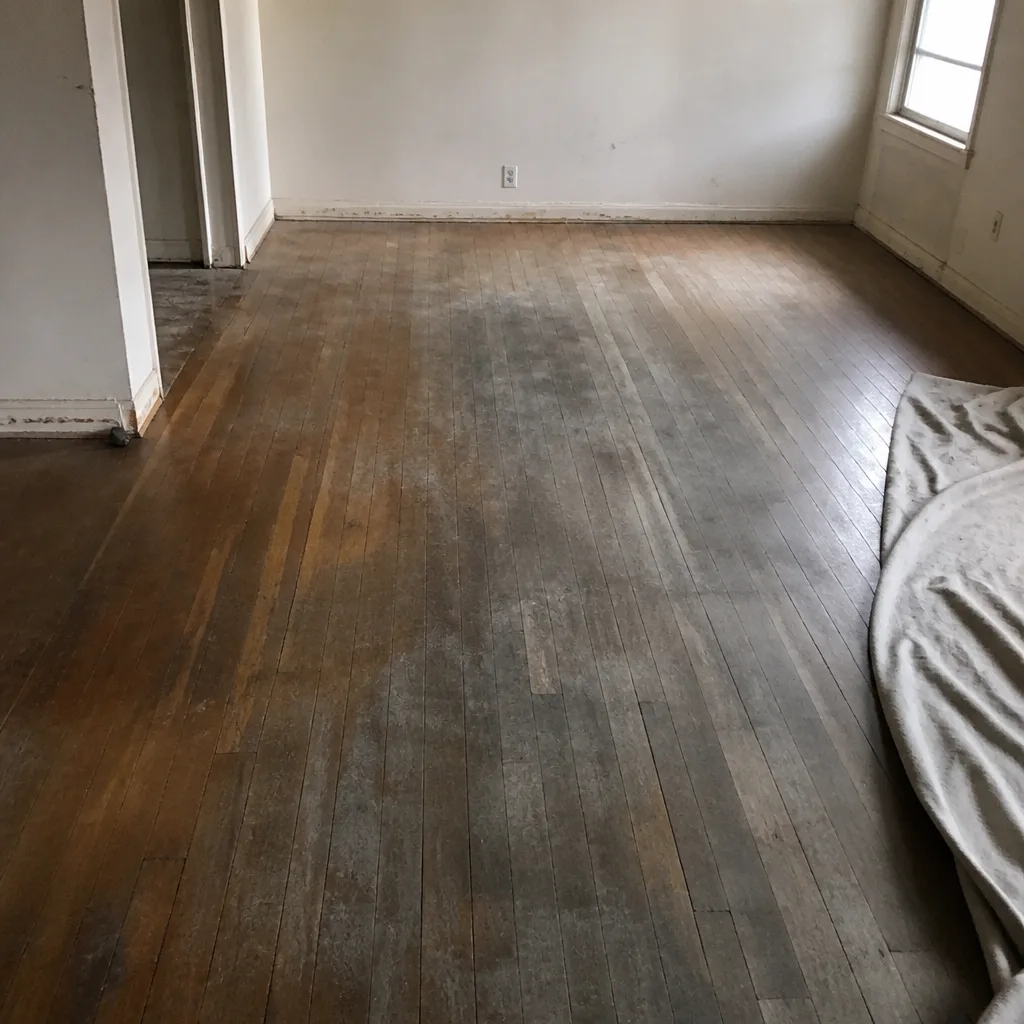 Before
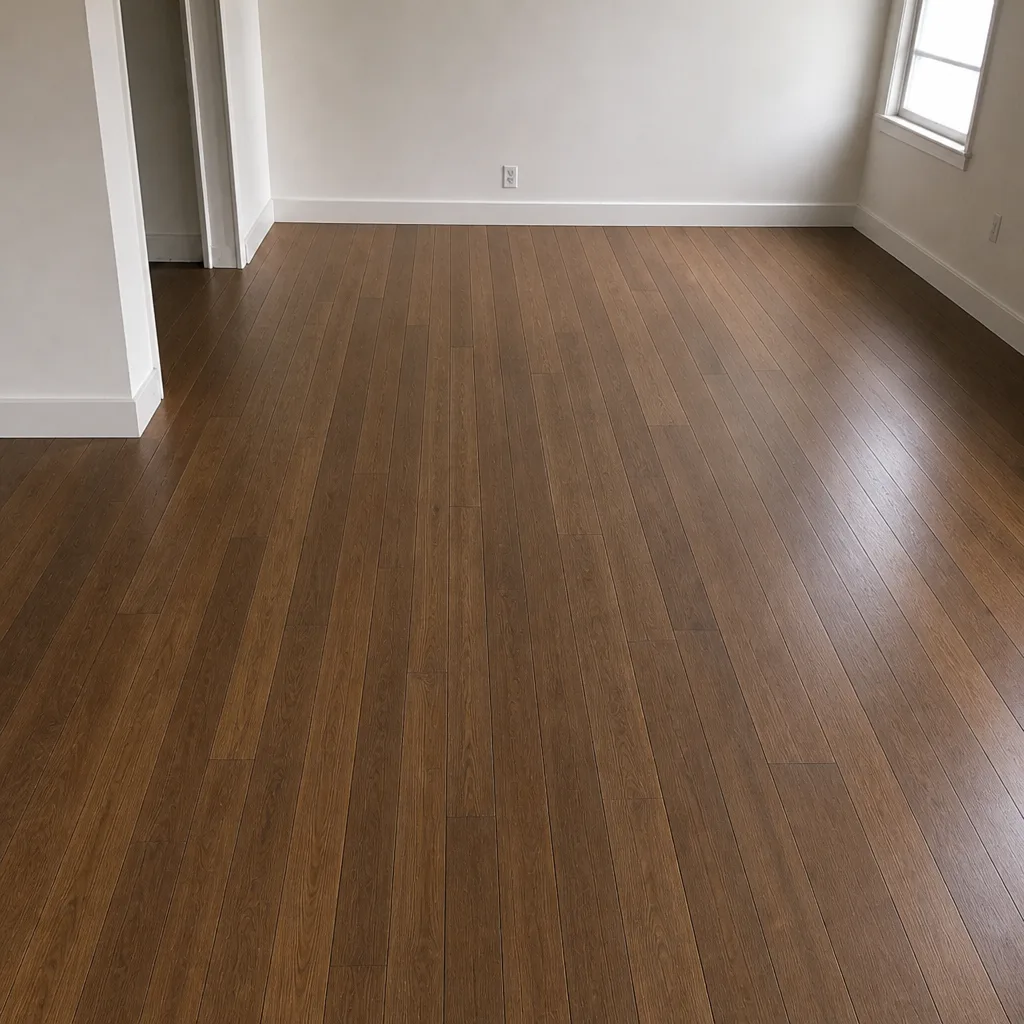 After
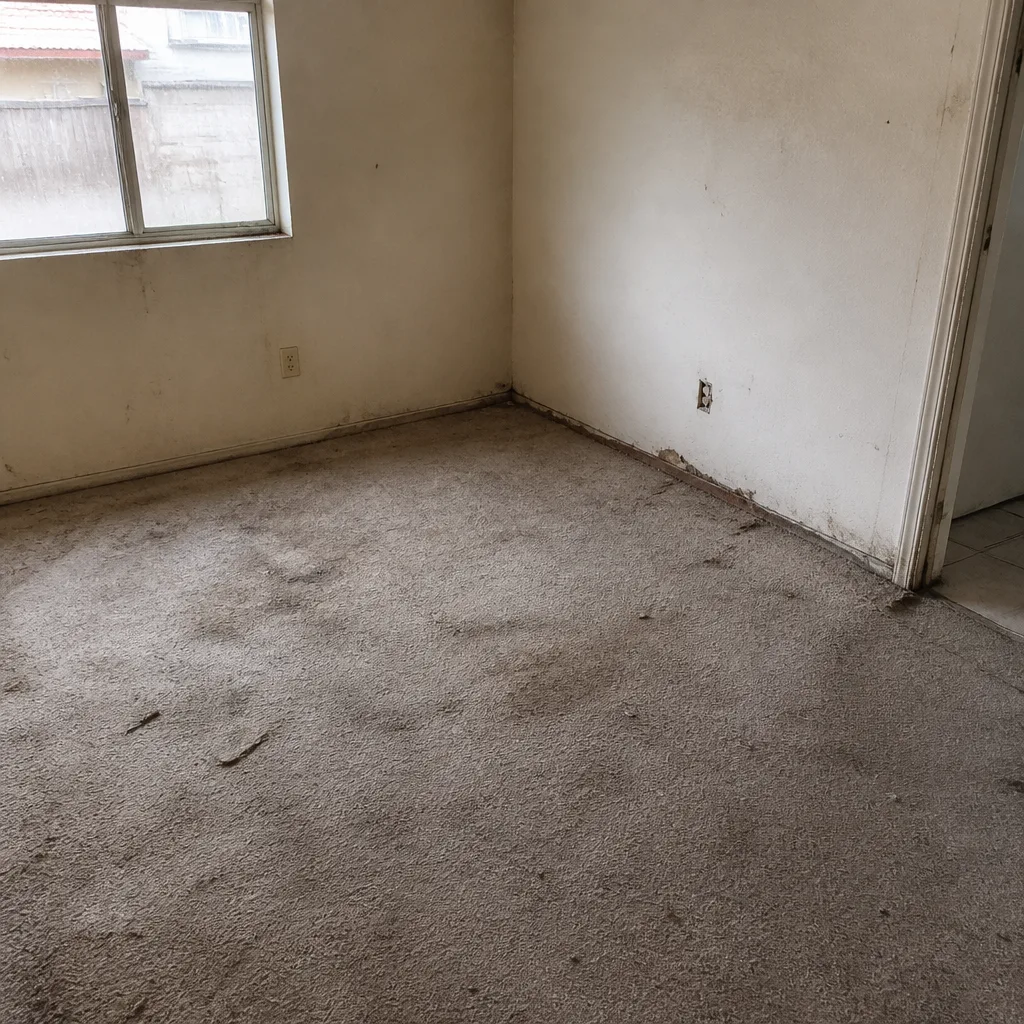 Before
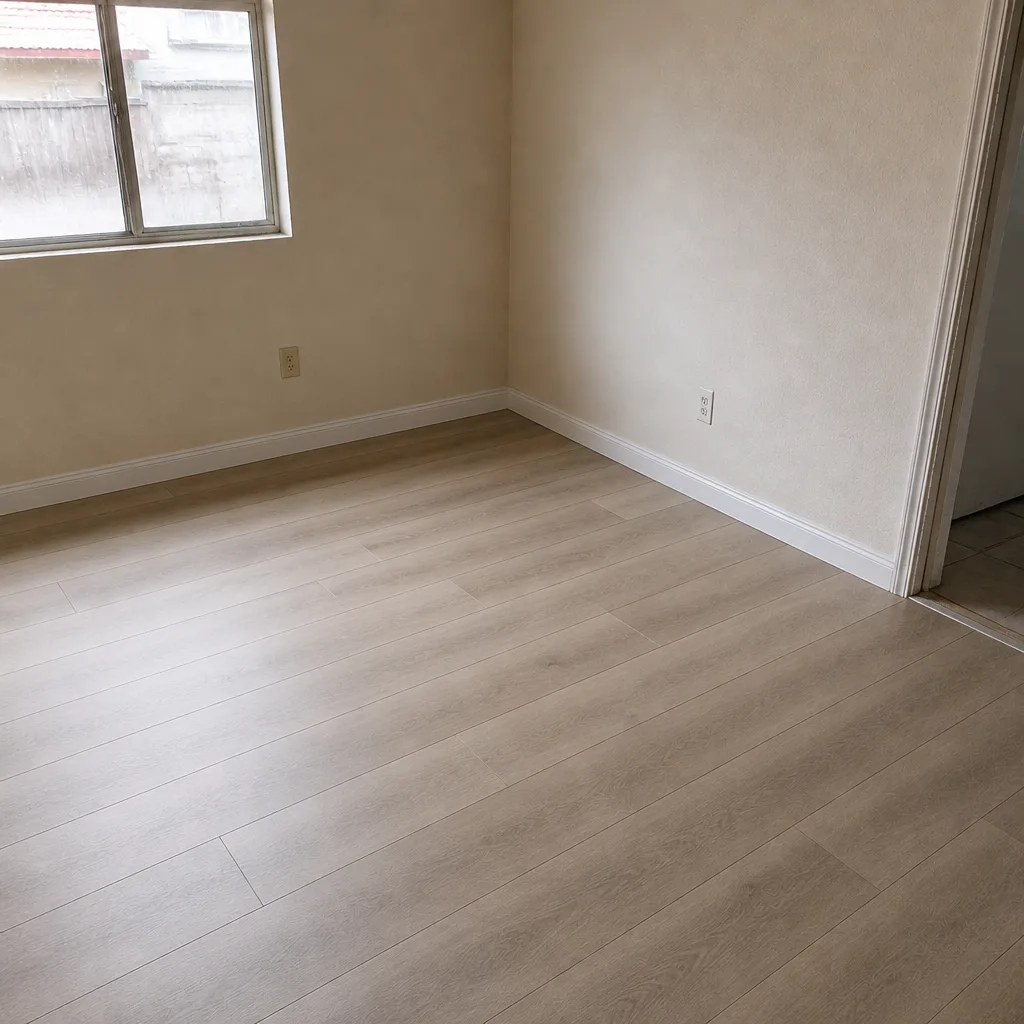 After
When to Call a Professional
Call us when the job involves any of the following: tile removal, subfloor prep, a diagonal or herringbone layout on a large open-plan floor, transitions at more than two doorways, or a hardwood floor you’re considering refinishing instead of replacing. Call us if you want a written, itemized estimate that breaks out material, labor, prep, disposal, and trim as separate lines, because that’s the only number you can compare fairly against another quote. Call us if you’re a landlord or property manager who needs one durable floor installed correctly the first time, with the workmanship and the product both backed properly. Flooring Installation North Las Vegas offers free estimates in North Las Vegas. Call (888) 515-5223 to schedule yours. We answer 24/7. Fast dispatch from 7am to 7pm, Sunday through Friday.
Frequently Asked Questions
Typical 2026 ranges in North Las Vegas are roughly $8 – $16 per square foot installed for tile, $4 – $9 for LVP, $4 – $8 for laminate, $3 – $7 for carpet, and $3 – $6 per square foot for hardwood refinishing. Subfloor prep ($200 – $900), disposal ($0.50 – $3 per square foot), and trim add to those numbers. Call (888) 515-5223 for a free written estimate on your specific job.
Almost always one of four things: subfloor prep that couldn’t be seen before demo, a higher waste factor than the quote assumed, disposal of old tile or heavy material, or trim and transition strips that weren’t in the original scope. The fix is an itemized written estimate that surfaces each of those lines before you sign. Call (888) 515-5223 to walk through your project; estimates are free.
Yes, the estimate is free. We walk the floor, measure, check the subfloor, and give you a written itemized quote. No service-call fee, no trip charge, no diagnostic fee. Call (888) 515-5223 to schedule yours.
It depends on the flatness tolerance of the product you choose and the condition of the existing subfloor. A skim coat is often enough at around $200; a plywood overlay runs closer to $900. The estimate visit is where we check the floor and tell you which one your home needs. Call (888) 515-5223 for a free walk-through.
The schedule is set at the estimate, because install length depends on square footage, layout complexity, and the amount of prep the floor needs. Longer schedules come from diagonal or herringbone layouts, tile work with many cuts, and subfloor repair. Call (888) 515-5223 to get a schedule estimate for your specific job.
Often yes, but not always. Whether a floor can be refinished depends on the thickness of the wood and its condition, checked at the estimate visit. If it can, refinishing is usually the smart financial move and extends the life of the floor you already have. Call (888) 515-5223 for a free assessment.
Because they create more cut waste. Diagonal layouts add 10 – 15% to material cost compared to straight lay, and herringbone adds more. In the large open-plan floors common in North Las Vegas tract homes, that percentage compounds fast. Call (888) 515-5223 for a quote that includes the waste factor as a visible line item.
Waterproof means moisture won’t pass through the floor’s core to the subfloor below. Water-resistant means the floor can tolerate moisture exposure but isn’t fully sealed against it. Products like COREtec and LifeProof are water-resistant, and standing water or moisture from below still has to be dealt with separately. Call (888) 515-5223 to talk through which product fits your room.
The Bottom Line
The per-square-foot price is the least important number on your flooring budget. What matters is the full itemized scope: material with the right waste factor, labor, underlayment, adhesive, subfloor prep, disposal, and trim. North Las Vegas homes tend to have large open-plan floors, slab construction, and a climate that swings from very dry to briefly humid, all of which affect those line items. A written, itemized estimate on your actual floor is the number you can trust. Everything else is an ad. Call (888) 515-5223 to schedule your free estimate. We answer 24/7. Fast dispatch from 7am to 7pm, Sunday through Friday.
Written by the team at Flooring Installation North Las Vegas.