
Last updated November 18, 2026
 Hardwood
 Engineered hardwood
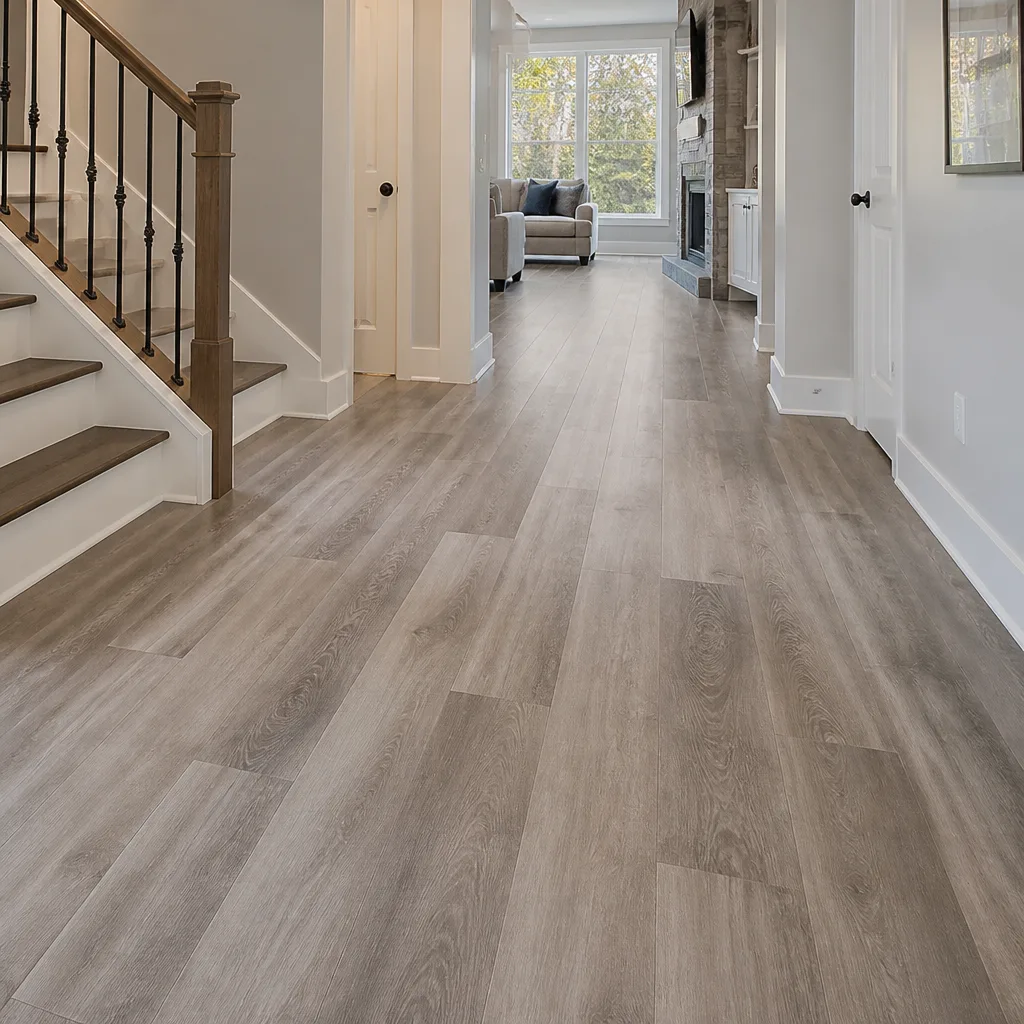 Luxury vinyl plank
 Laminate
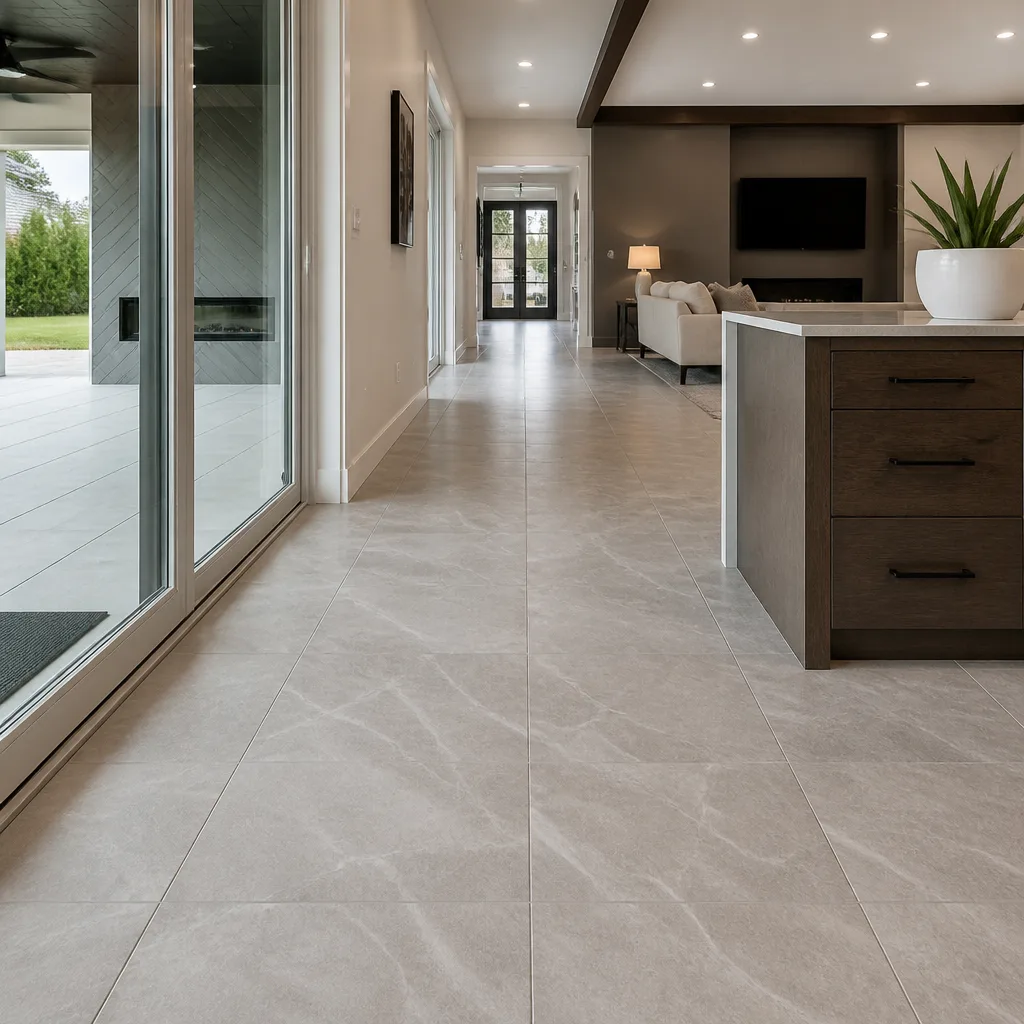 Porcelain tile
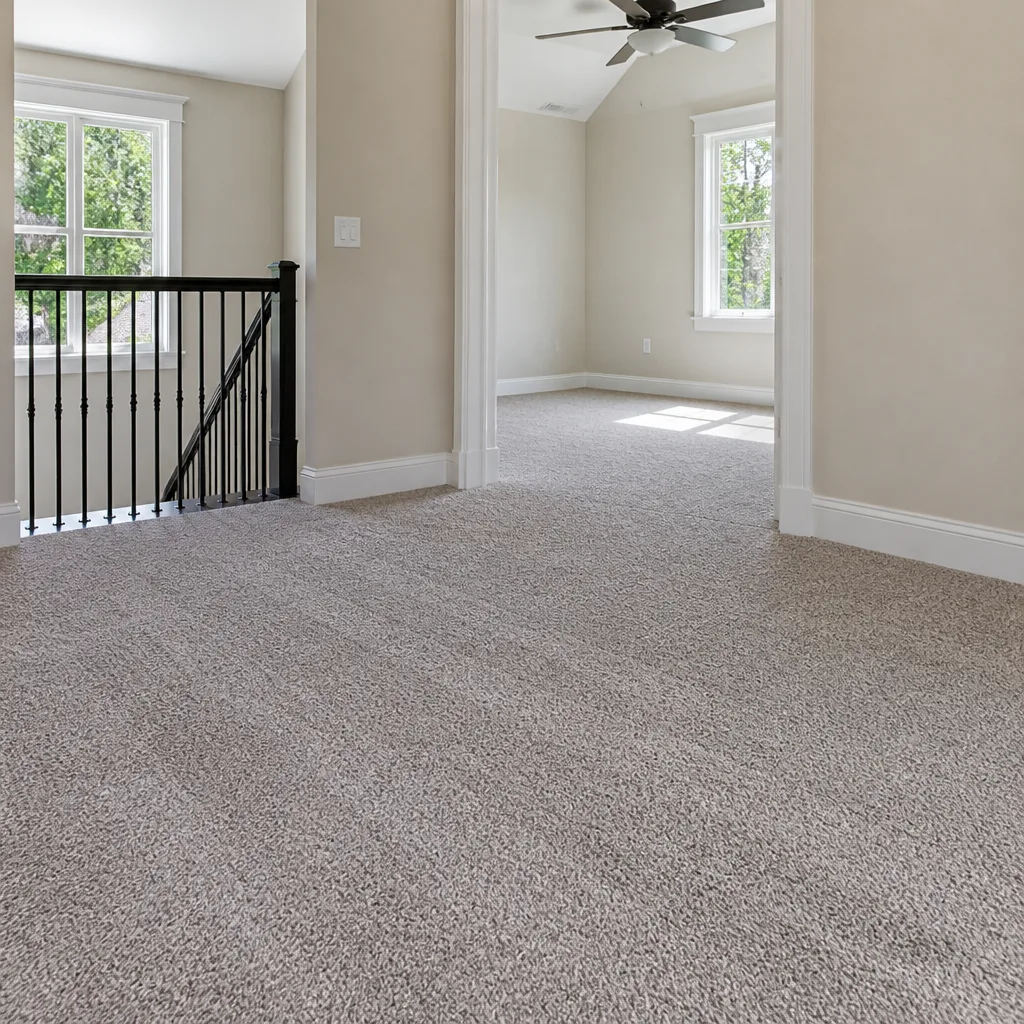 Carpet
 Shaw
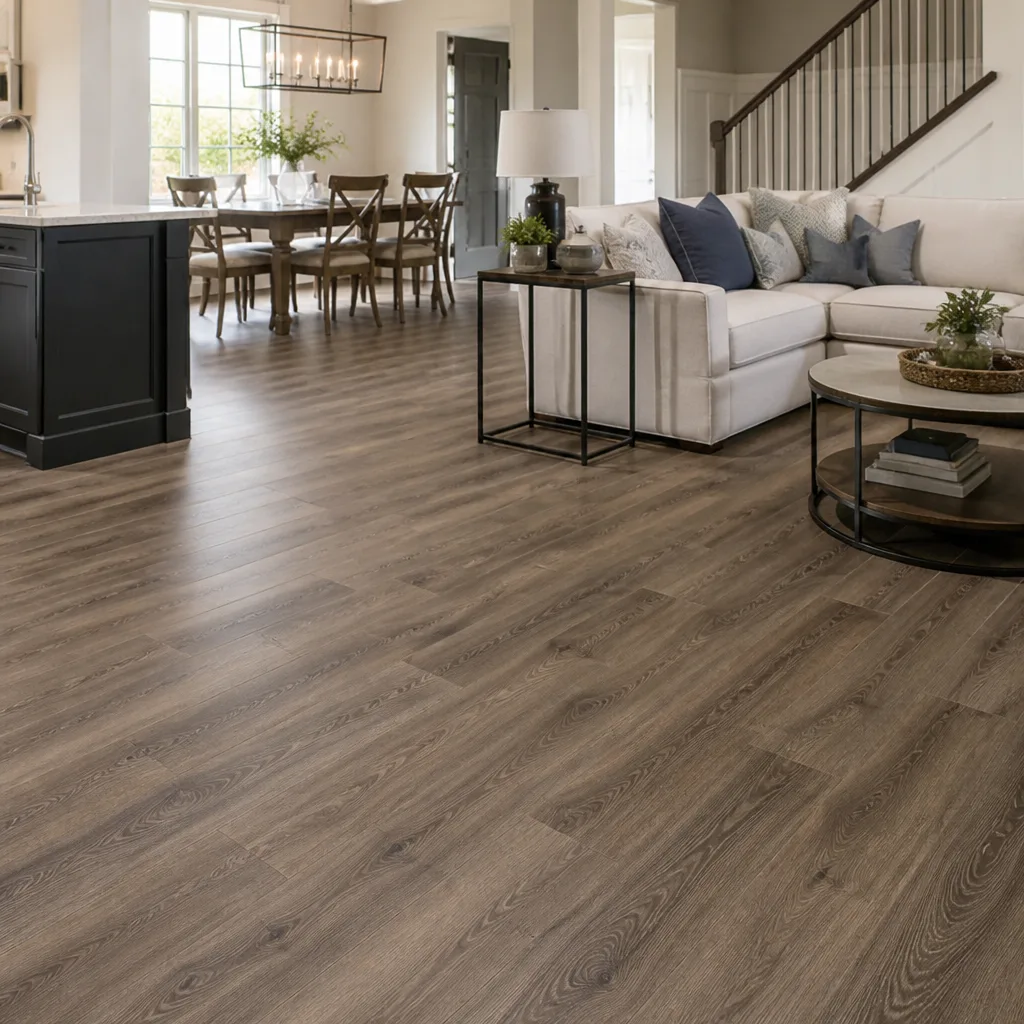 Mohawk
 COREtec
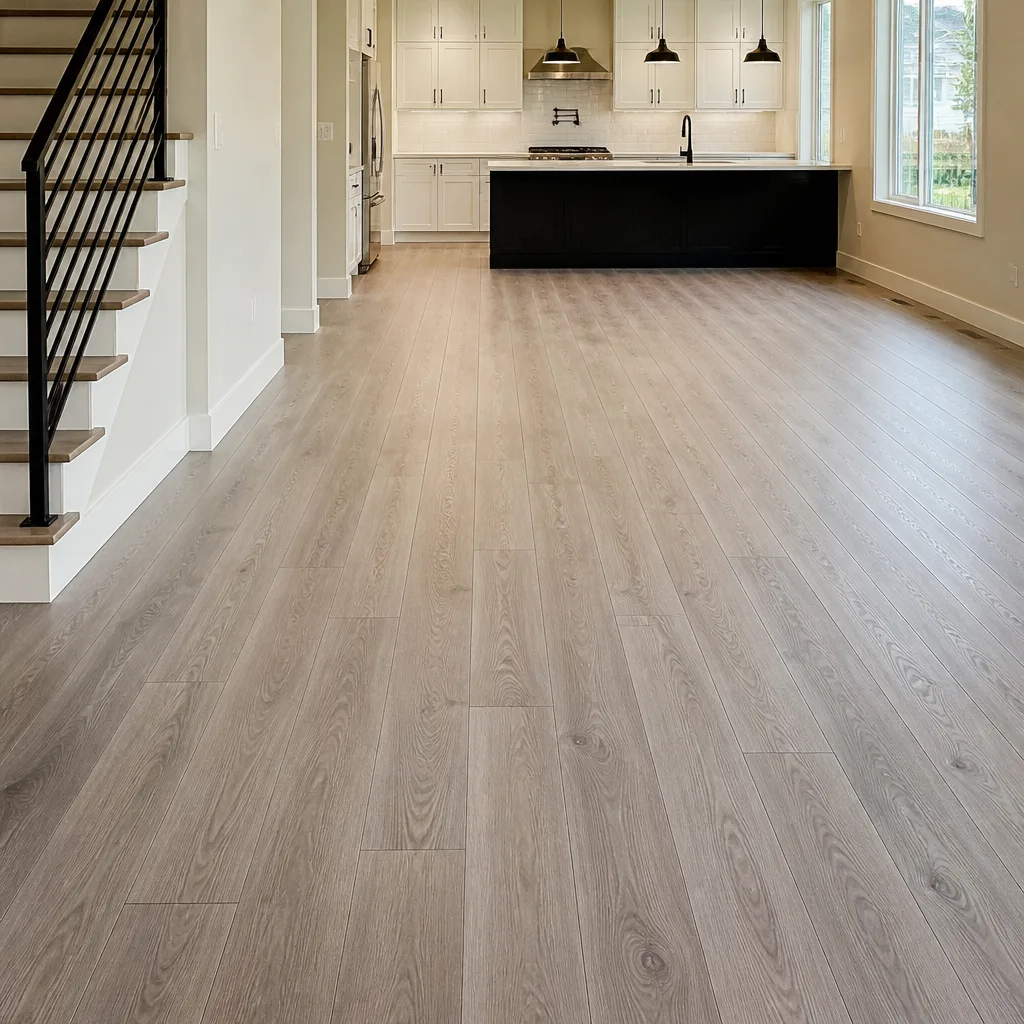 Pergo
Free in-home measure and written estimate: Shaw, Mohawk, COREtec and Pergo lines compared on your own rooms, with carpet, tile, vinyl plank, laminate and hardwood laid out side by side
Get your free estimateFlooring Installation Questions to Ask Before You Sign
Most homeowners open a flooring conversation with “how long have you been in business” and “can I see references.” Both are reasonable. Both are nearly useless at separating a flooring specialist from a generalist with a saw and a tape measure. The questions that actually matter are narrower and more technical, and they’re the ones almost nobody asks. This guide gives you the exact questions to put to any flooring contractor in North Las Vegas, the answer a real specialist should give, and the warning sign that tells you to walk away. You’ll finish it able to read a quote the way an installer does.
Quick Answer
The questions that protect you most are about specs, not vibes: what subfloor flatness the product requires and how the contractor will verify yours, what installation methods the manufacturer warranty demands, what the quote explicitly excludes, and what happens when installation day turns up a surprise. Ask those four and you’ll know whether you’re talking to a flooring specialist or a general builder guessing his way through. A quote is only as trustworthy as the scope and the questions behind it.
Styles & brands we work with
- Hardwood
- Engineered hardwood
- Luxury vinyl plank
- Laminate
- Porcelain tile
- Carpet
- Shaw
- Mohawk
- COREtec
- Pergo
Table of Contents
- Why the Usual Questions Miss the Point
- The Subfloor Question: Flatness, Moisture, and the Answer to Expect
- The Warranty Question: Installation Methods and Manufacturer Specs
- The Scope Question: What’s Excluded From This Quote?
- The Timeline Question: What Happens When Installation Day Goes Sideways
- The Product Question: Why This Floor for This Room
- Reading Your North Las Vegas Home Before You Choose
- How to Interview a Flooring Contractor: A Step-by-Step Sequence
Why the Usual Questions Miss the Point
Asking how long a company has been around tells you very little. A builder can spend two decades framing houses and never once install a floating floor to spec. A flooring specialist might be newer to the trade but know a manufacturer’s subfloor tolerance by heart. The gap you’re trying to close isn’t age. It’s whether the person across the table has product-specific installation knowledge or general construction experience they’re hoping will transfer.
That distinction costs money later. Flooring failures are rarely about the plank, the tile, or the carpet itself. They’re about what happened underneath it and what was left out of the quote. A subfloor that isn’t flat enough, a slab that passes moisture up through an adhesive, a door casing that never got undercut, a transition strip omitted from the line items. Each is a small thing in isolation. Together they’re why a floor that looked perfect on day one starts shifting, tenting, or sounding hollow six months in.
In North Las Vegas, that gap shows up in specific ways. A lot of housing stock here is relatively young, but that doesn’t mean the subfloor is flat or the slab is dry. Fast construction schedules and desert temperature swings both leave their marks. We’ve walked into plenty of rooms where the floor looked ready and the concrete underneath told a different story. The questions in this guide are built to surface that before you sign, not after a crew has already unrolled the underlayment.
The good news: a contractor who actually knows what they’re talking about will enjoy these questions. The answers come easily. It’s the vague ones you want to watch.
The Subfloor Question: Flatness, Moisture, and the Answer to Expect
Here’s the question, word for word: “What flatness tolerance does the product you’re recommending require, and how will you assess whether my subfloor meets it before installation day?”
Why it works: there is no universal answer. Every flooring product has its own tolerance built into its installation instructions and warranty terms, and those numbers differ from product to product. A contractor who has installed that specific product line knows the figure because they’ve had to meet it. A contractor who hasn’t will give you something like “we make sure it’s flat enough” or “we’ve never had a problem.” That’s not an answer. It’s a hope.
The second half of the question matters just as much. “How will you assess it” gets at the method. A serious flooring contractor will tell you they check flatness with a long straightedge or a similar gauge, and they’ll note where the low and high spots fall. On a slab, they should be able to tell you how they’ll check for moisture before any flooring goes down, because a slab in North Las Vegas can hold moisture even in a dry climate, and adhesives and solid wood don’t tolerate it.
What a good answer includes
- A specific product tolerance, stated in the units the product uses
- The tool or method they’ll use to measure, and when in the process
- A plan for any high spots (grinding or leveling) and low spots (filling)
- For slab installations, how they’ll confirm moisture is within the product’s limits
- Whether that assessment happens at the estimate visit or on installation day
Red flags
- “Every floor’s basically the same, we just lay it down”
- No mention of how they’ll check the subfloor at all
- A promise that “we’ll deal with it if it comes up” with no described process
- Framing flatness as optional or an upcharge they’d rather skip
For tile, the subfloor question is even more important, because tile and grout crack when the surface underneath moves or flexes. If you’re weighing tile flooring installation, ask specifically how they’ll assess deflection in a wood-framed floor as well as flatness. A good tile contractor answers that without flinching.
The Warranty Question: Installation Methods and Manufacturer Specs
The question: “What installation practices are required to maintain the manufacturer warranty, and are you trained or certified by this manufacturer?”
This one exposes whether the installation method is documented or improvised. Product warranties on Pergo and Mannington lines, for example, assume the floor was installed the way the manufacturer’s instructions specify. If the installer skipped the required underlayment, installed over an out-of-tolerance subfloor, or used an adhesive the product doesn’t call for, the warranty can be voided by the installation itself. The product was fine. The install wasn’t.
The trained-or-certified part is where it gets interesting. Not every manufacturer requires certification for every product, and we’re not going to tell you which ones do and which don’t. What matters is whether the contractor can answer honestly. “Yes, trained on this line” and “no certification required for this product, but here’s how I follow the spec” are both good answers. “Sure, we’re certified in everything” is not. Neither is “warranty is the manufacturer’s problem, not mine.”
What a good answer includes
- Recognition that the manufacturer’s installation instructions govern the warranty
- Specific mention of the underlayment, adhesive, or attachment method the product requires
- An honest answer about training or certification, including “not required here”
- A clear statement that they’ll document the installation (photos, material records)
Ask about the warranty in plain terms too: what’s covered by the product, and what’s covered by the workmanship of the installation. Those are two different things. Product warranties come from the manufacturer and travel with the material. Workmanship is the contractor’s own responsibility. A reputable flooring company will separate the two without being asked twice, and will tell you in writing which one applies to what. If they conflate them, you’ve learned something.
The Scope Question: What’s Excluded From This Quote?
The question: “What is explicitly excluded from this quote?”
This is the single most valuable question on the page, because it’s the one that separates a real quote from a sales pitch dressed up as one. A complete estimate should include an exclusions list. If the contractor says “nothing’s excluded, that’s the full price,” the quote is incomplete, no matter how clean it looks on paper.
Here’s why. Almost every flooring job touches things beyond the flooring itself: furniture and appliance moving, baseboard removal and reinstallation, door casing and jamb undercutting, toilet removal and reset in a bathroom, transition strips at doorways, and disposal of the old flooring. None of those are exotic. All of them can end up added on after you’ve signed if they weren’t spelled out.
What a good answer includes
A specific list of what’s not included, matched against the line items you see. Expect the exclusions to cover some of these:
- Furniture, appliance, and personal-item moving
- Baseboard and trim removal, replacement, or repainting
- Door undercutting and jamb trimming
- Toilet removal and reinstallation (for bathroom floors)
- Subfloor repair if damage is found once the old floor is up
- Haul-away and disposal of the removed flooring
- Transition strips, stair nosings, and other trim pieces
- Any prep work above a certain scope
A contractor who hands you a quote with the exclusions and line items already filled in is telling you they’ve done this many times. One who promises “it’s all in there” is either guessing or planning to come back to you for more. For a carpet job, the exclusions list should include what happens to the old tack strip and pad, and whether furniture gets moved. If you’re planning a carpet installation, that list is often where quotes quietly differ.
The Timeline Question: What Happens When Installation Day Goes Sideways
The question: “What conditions on installation day would cause you to stop work, and what happens to the schedule and cost if that occurs?”
A good flooring contractor will have a list. It shouldn’t be vague, and it shouldn’t be empty. The point is to surface how they handle subfloor surprises and whether there’s a process or a dispute waiting to happen.
Reasonable stopping conditions include: subfloor damage discovered once the old flooring is removed, a slab reading wetter than the product allows, a subfloor out of tolerance by more than the product can bridge, unexpected asbestos-containing flooring found underneath (older homes), or a product arriving damaged from the supplier. A contractor who names these and tells you how they handle each one is one who’s met them before.
What a good answer includes
- A named set of conditions, not “we very rarely stop”
- A clear step: they pause, they tell you what they found, they give you options in writing, you approve before any extra work happens
- A description of who pays for what in each case (product defects vs. discovered conditions)
- How the schedule shifts and how you’re told about it
The cost part is where a written estimate protects you. If additional work is ever needed, it should be priced and approved by you before anyone touches the floor. “We’ll figure it out on the day” is the wrong answer, and it’s the setup for a dispute later.
One thing you will not get from a good contractor: a same-day promise. Flooring is a scheduled job. There’s a measure and estimate, a written quote, an ordered product, and a booked install day. Anyone offering to “come tomorrow and lay it” is skipping the steps that keep a floor installed once and done right.
The Product Question: Why This Floor for This Room
The question: “Why this product for my room specifically, and what are two or three alternatives at a similar price point?”
Here’s the tell. A specialist gives you three answers. A salesperson gives you one and defends it. A specialist knows that a room’s traffic, moisture, and foot comfort all point toward several reasonable choices, and they can name the ones that would work. A salesperson pushing a single product is usually pushing whatever the vendor behind them is rewarding that month.
The right floor for how you actually live is the whole game. A home with two dogs and a toddler asking for carpet in the family room needs water-resistant options in the rooms where water lives (kitchen, bathrooms, laundry, basement) and a carpet built for traffic in the soft-surface areas. A buyer of an older North Las Vegas home with original hardwood might be better served refinishing than replacing. A family with more pets than patience often wants a product line rated for it.
What a good answer includes
- A specific reason this product fits this room (traffic, moisture, sun exposure, subfloor type)
- Two or three real alternatives at a similar price point
- Honest tradeoffs between them (comfort, durability considerations, upkeep)
- Reference to product lines relevant to your situation, not just the flagship
We work with nine industry-recognized brands across carpet, luxury vinyl plank, laminate, tile, and hardwood categories, so our starting point is choice rather than a single line. When you ask the product question, you should hear something like: “For a busy kitchen, we’d look at a water-resistant plank in the Pergo or LifeProof range; for the family room, a Mannington or Shaw carpet built for traffic; for the entry tile, Armstrong’s porcelain lines.” Those names, and a few others, are what we draw from. An answer that names one brand and stops is a warning sign.
For water-prone spaces, ask specifically whether the product is water-resistant and under what conditions. Standing water and moisture coming from below still have to be dealt with regardless of the product, and a good contractor will say so. Waterproof by design, not by luck, is a useful lens, but it’s not a license to ignore a leaking pipe.
Reading Your North Las Vegas Home Before You Choose
North Las Vegas has a climate and a housing picture that change how flooring questions get answered. It’s a desert valley, dry for most of the year, with intense summer heat and big day-to-night temperature swings. That has real effects on flooring choices and installation.
First, heat and sun exposure matter. Rooms with west- or south-facing windows can see real thermal movement through the day, and some floor products handle that better than others. Ask your contractor how the product they’re recommending behaves under heat and direct sun, particularly in rooms with a lot of glass.
Second, indoor humidity in North Las Vegas homes can be low for much of the year and higher during the monsoon season. Solid wood and some laminates care about this. The product instructions govern how the material should be acclimated, and the honest answer is that this depends on the product and the home, checked at the estimate.
Third, the housing stock matters. A lot of North Las Vegas homes are relatively newer construction, but newer doesn’t mean problem-free: slab subfloors, tile set over concrete, and transitions between rooms all need careful attention. Older homes here may still have original hardwood worth refinishing rather than replacing, and that’s a different conversation from a new install.
Fourth, the valley’s wind and dust are real. A dusty environment can get into an unfinished install, which is one reason scheduling and sealing matter. None of this is exotic. It’s just the local texture the generic how-to guides skip. If you want the overview of what we do here, see Flooring Installation North Las Vegas.
How to Interview a Flooring Contractor: A Step-by-Step Sequence
You have the questions. Here’s the order to ask them, so a single visit tells you most of what you need to know.
- Ask the product question first. “Why this floor for my room, and what are two or three alternatives at a similar price?” This calibrates the rest of the conversation. If they give one answer and defend it, you already know the shape of the visit.
- Ask the subfloor question. “What flatness tolerance does the product require, and how will you assess mine?” Listen for a method and a figure, not a promise.
- Ask the warranty question. “What installation methods does the manufacturer require, and are you trained or certified on this line?” You want an honest answer, not a proud one.
- Ask the scope question. “What’s explicitly excluded from this quote?” Watch whether they hand you a list. No list is a red flag.
- Ask the timeline question. “What installation-day conditions would make you stop, and what happens to schedule and cost?” A process answer, not a shrug.
- Ask about documentation. “Will you confirm the measure, product, and schedule in writing before we book?” The written estimate sets the final price, and any change should come in writing before work begins.
- Ask about the workmanship warranty. “What’s covered by the product, and what’s covered by your install?” Both should be in writing.
A contractor who walks comfortably through all seven is showing you the same thing a mechanic shows you when they name the part before opening the hood. They know the work.
Common Mistakes to Avoid
- Accepting a quote with no exclusions list. If nothing’s excluded, the quote is incomplete. Expect the list and read it against your room.
- Choosing on looks alone. A floor that looks right but isn’t matched to the room’s traffic and moisture will be a problem regardless of how good it looked in the sample. Ask why it fits your space.
- Skipping the subfloor conversation. A beautiful floor over a bad subfloor fails. Ask how the surface underneath gets checked and what happens if it fails.
- Trusting a ten-year plan over the spec sheet. “We’ve been doing this ten years” tells you nothing about whether the installer follows the manufacturer’s specs for this specific product. Ask about the spec.
- Treating the installer as interchangeable with the salesman. In North Las Vegas, some jobs get sold by one person and installed by a crew who never saw the room. Ask who does the actual work and whether they’ve seen the space.
- Assuming “waterproof” solves a moisture problem from below. Water-resistant products handle surface water, not rising moisture from a slab. If your floor is below grade, ask how that gets checked.
- Believing a same-day install promise. Flooring is scheduled: measure, quote, order, install. A promised tomorrow usually skips the steps that keep the floor from needing a do-over.
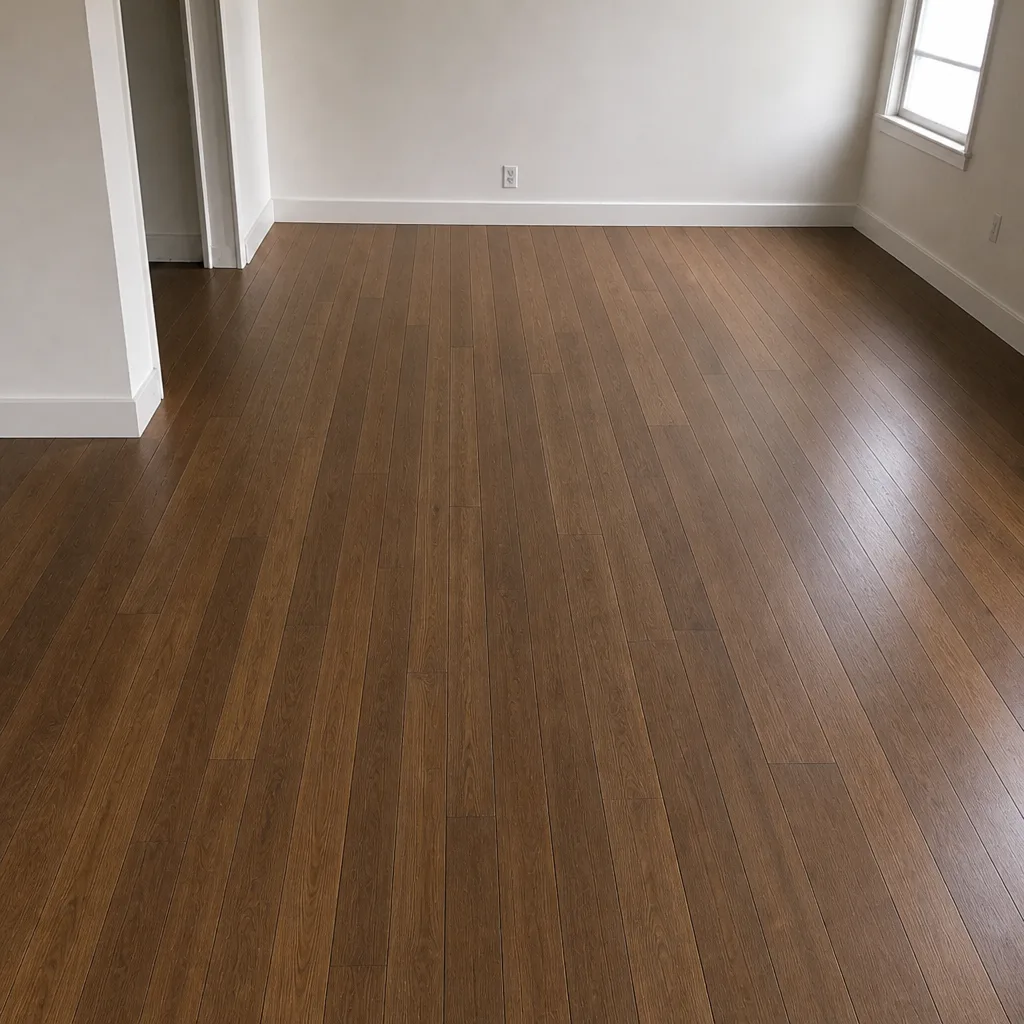
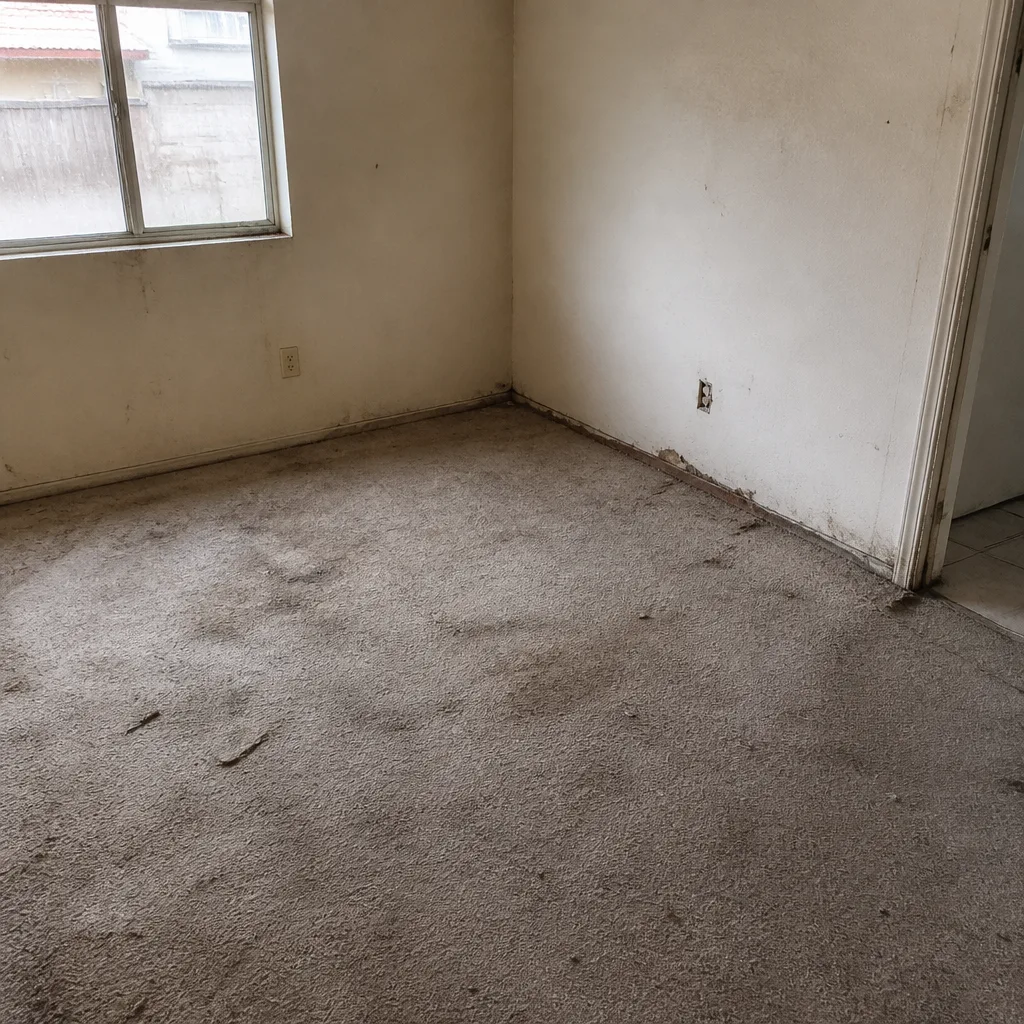
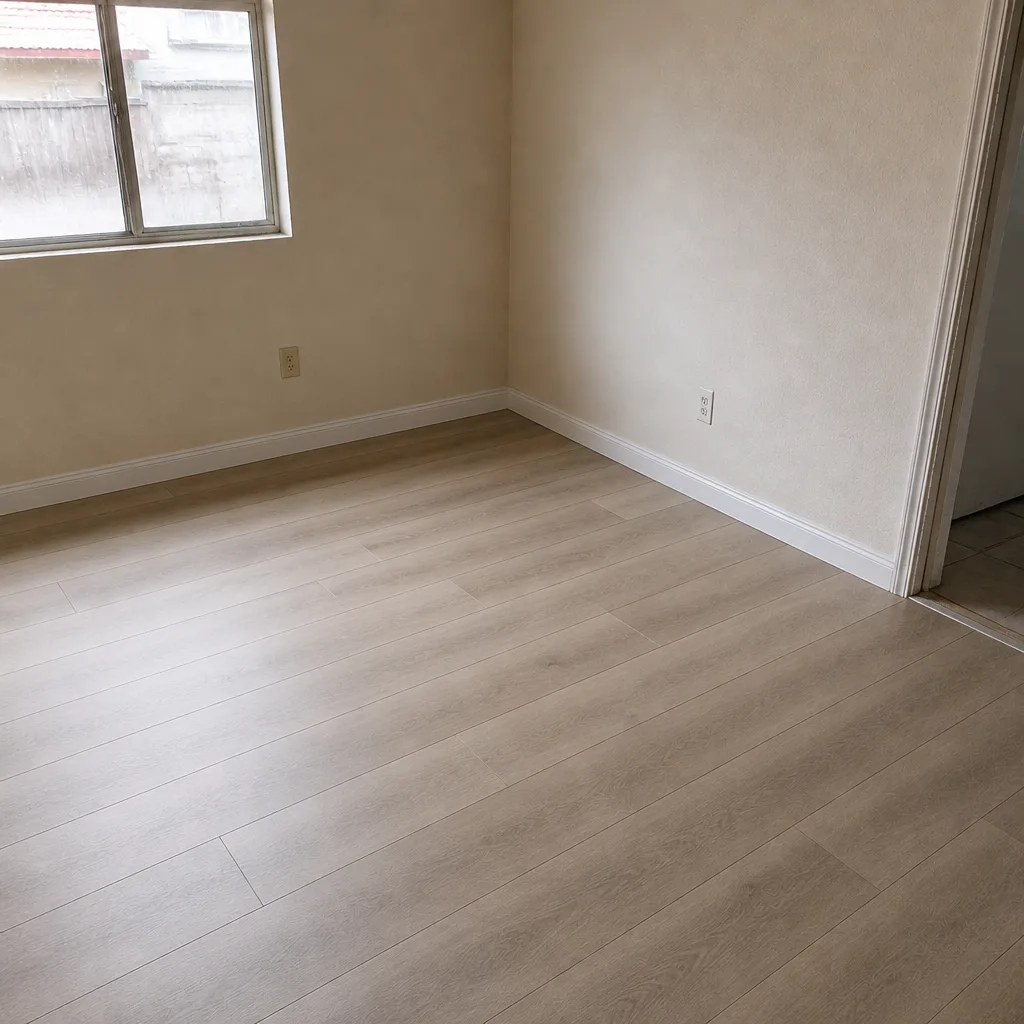
See the difference
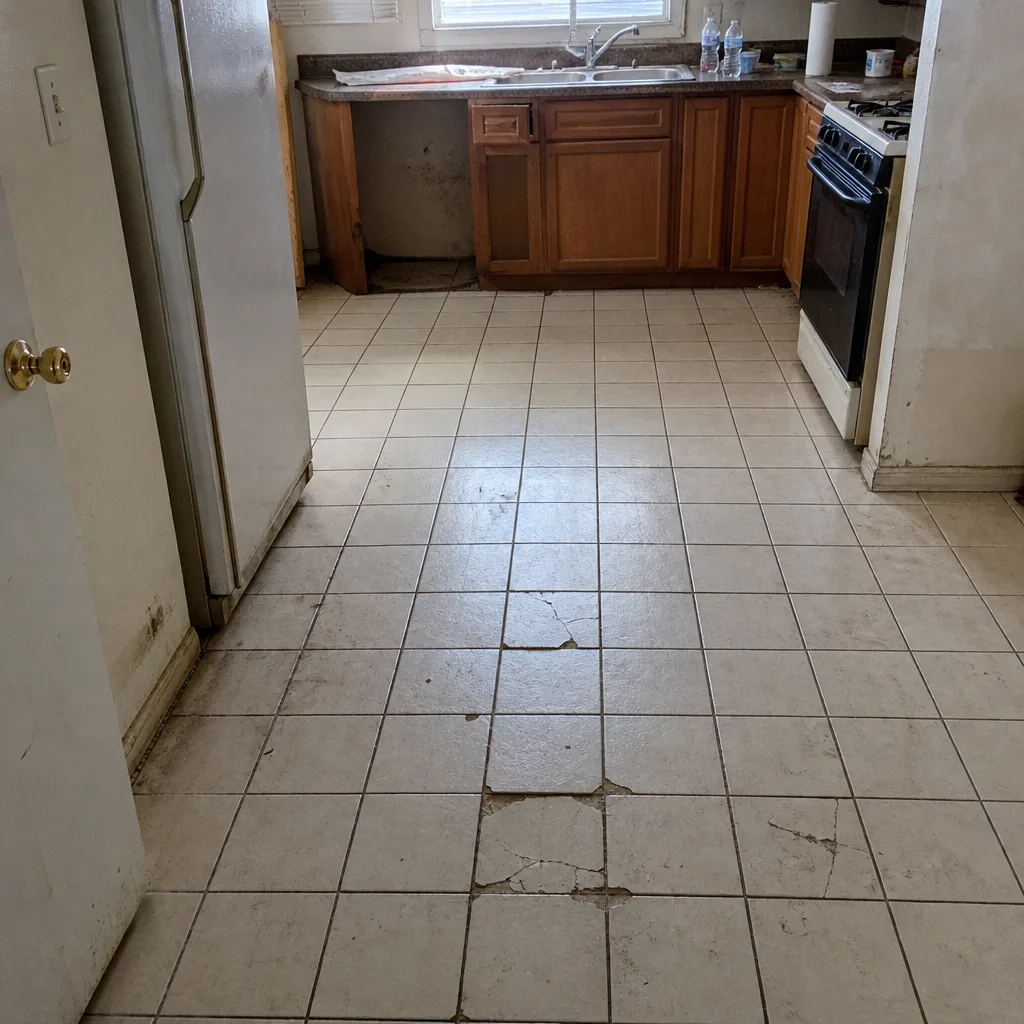 Before
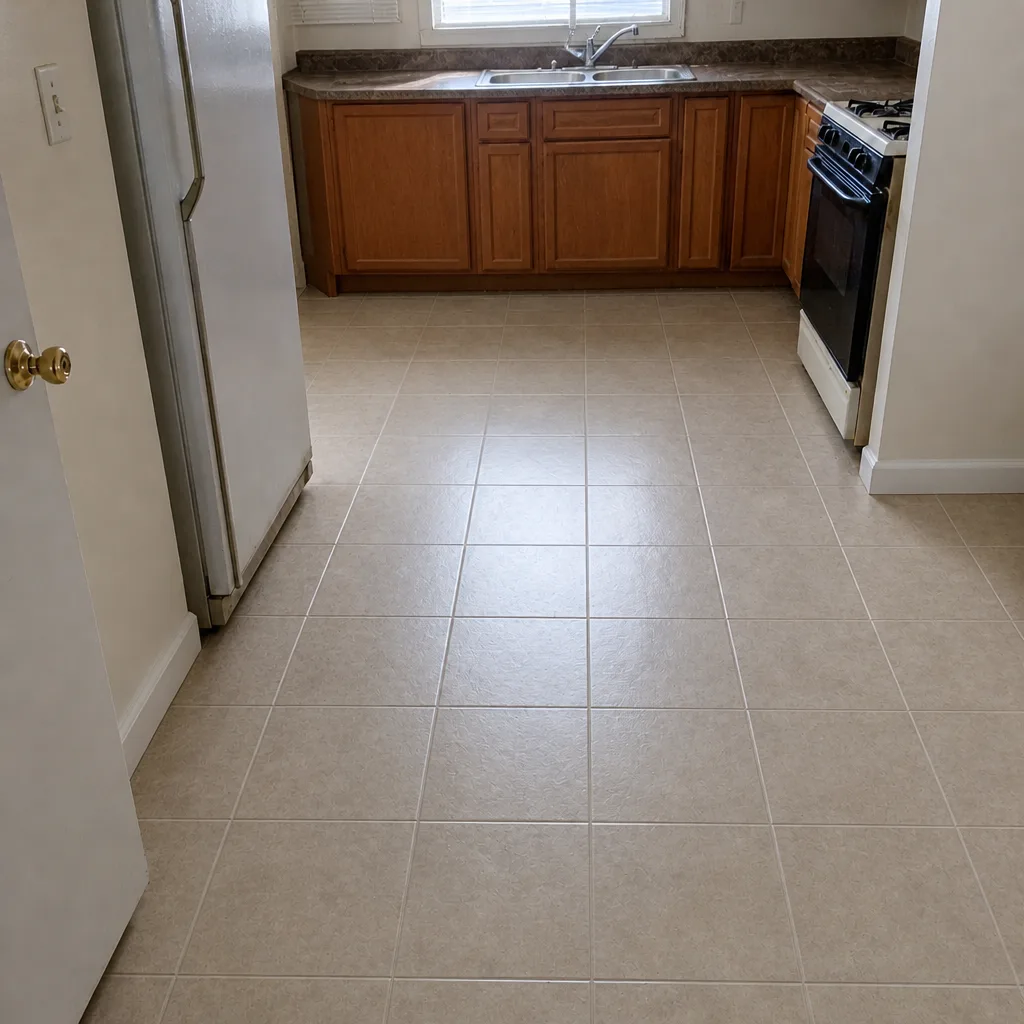 After
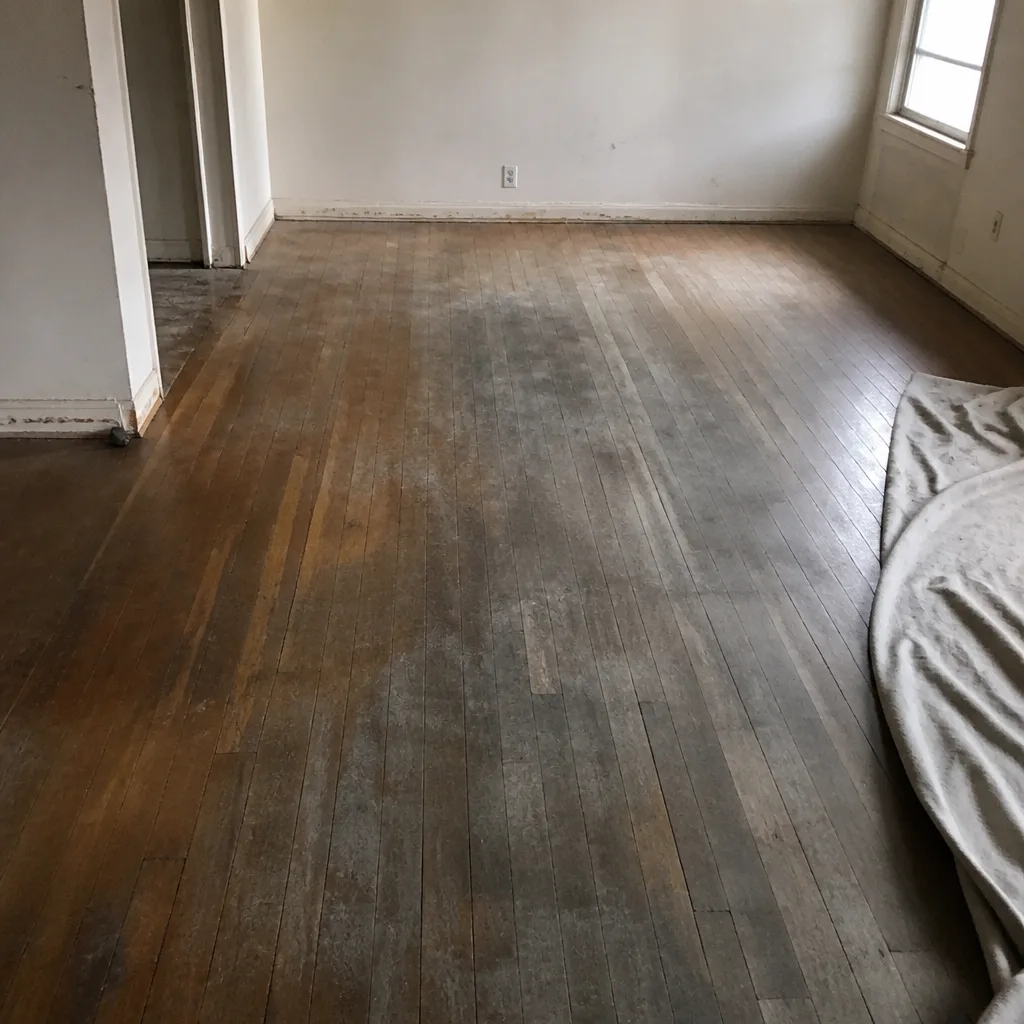 Before
 After
 Before
 After
When to Call a Professional
Some flooring questions need a trained eye on the actual room, not a general answer. Call a professional when you don’t know whether your subfloor is flat enough, when the room is a bathroom or a slab-on-grade space where moisture could be a factor, when existing hardwood might be refinishable rather than replaceable, or when a quote doesn’t come with an exclusions list and you want to know what’s really in it. Those are also the situations where a generic answer from a builder can cost you later.
Flooring Installation North Las Vegas offers free estimates in North Las Vegas. Call (888) 515-5223. We answer 24/7. Fast dispatch from 7am to 7pm, Sunday through Friday. The measure and estimate are free, the price is set by the written estimate, and any changes come in writing before work begins. If you’re interviewing contractors and want a second set of eyes on a quote, that’s a good time to call too.
Frequently Asked Questions
The four that protect you most are: what subfloor flatness the product requires and how they’ll assess yours, what installation methods the manufacturer warranty demands, what the quote explicitly excludes, and what happens when installation day turns up a surprise. Those get at product knowledge, scope, and process, which is where quotes fail. A contractor who answers all four with specifics is worth continuing the conversation with. Call (888) 515-5223 for a free estimate and ask them directly.
Because tenure tells you about the company, not about product-specific installation knowledge. A twenty-year builder can install a floor badly; a flooring specialist who’s newer to the trade can know the manufacturer’s subfloor tolerance and follow the spec to the letter. Ask about the product and the process, not the résumé. We’re technicians with up to 12 years of experience, and we’ll tell you plainly what we’ve installed and how.
A complete exclusions list should cover the things installed flooring often touches beyond the material: furniture and appliance moving, baseboard removal and reinstallation, door casing and jamb trimming, toilet removal and reset in bathrooms, transition strips, and haul-away of the old flooring. It should also flag subfloor repair if damage is discovered after the old floor is up. If the contractor says nothing is excluded, the quote is missing information. Ask before you sign. Call (888) 515-5223 for a written estimate with the exclusions spelled out.
You can’t really know without measuring, and every flooring product has its own flatness tolerance in its installation instructions. That’s why you ask the contractor how they’ll assess it and with what tools, and when in the process. If you’re unsure and want a professional read, a free in-home estimate is the place to start. We serve North Las Vegas and will check the subfloor at the estimate visit. Call (888) 515-5223.
Usually yes, but the slab’s moisture has to be checked first. A slab in a dry climate can still hold moisture that pushes up through adhesives and solid wood, and some products handle it better than others. That’s a question to ask specifically, not gloss over. Call (888) 515-5223 for a free estimate that includes how we’ll assess the slab.
Yes. The in-home measure and estimate are free, and the price is set by the written estimate, not by a verbal guess. Anything the job turns up after that gets priced and approved by you before work begins. Call (888) 515-5223 to schedule yours. We answer 24/7, with fast dispatch from 7am to 7pm, Sunday through Friday.
The Bottom Line
The questions that protect you are not the friendly ones. They’re the technical ones about subfloor tolerance, manufacturer warranty methods, exclusions, and installation-day surprises. Ask those, and you’ll know whether the company you’re talking to is a flooring specialist or a generalist hoping the work transfers. You’ll also read a quote differently, because you’ll see what’s in it and what’s quietly left out. A good contractor welcomes the questions and answers them with specifics. That’s the one you want installing your floor.
Written by the team at Flooring Installation North Las Vegas.