
Last updated November 18, 2026
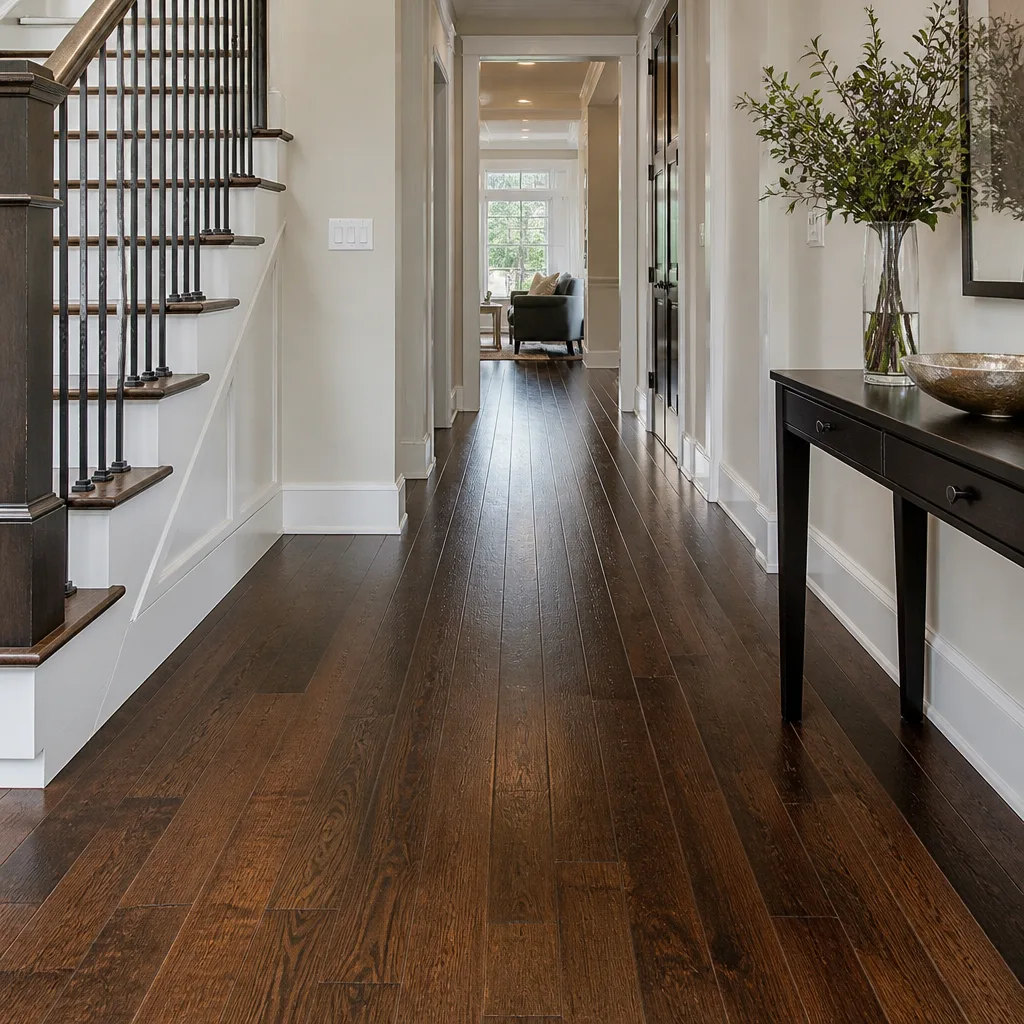 Hardwood
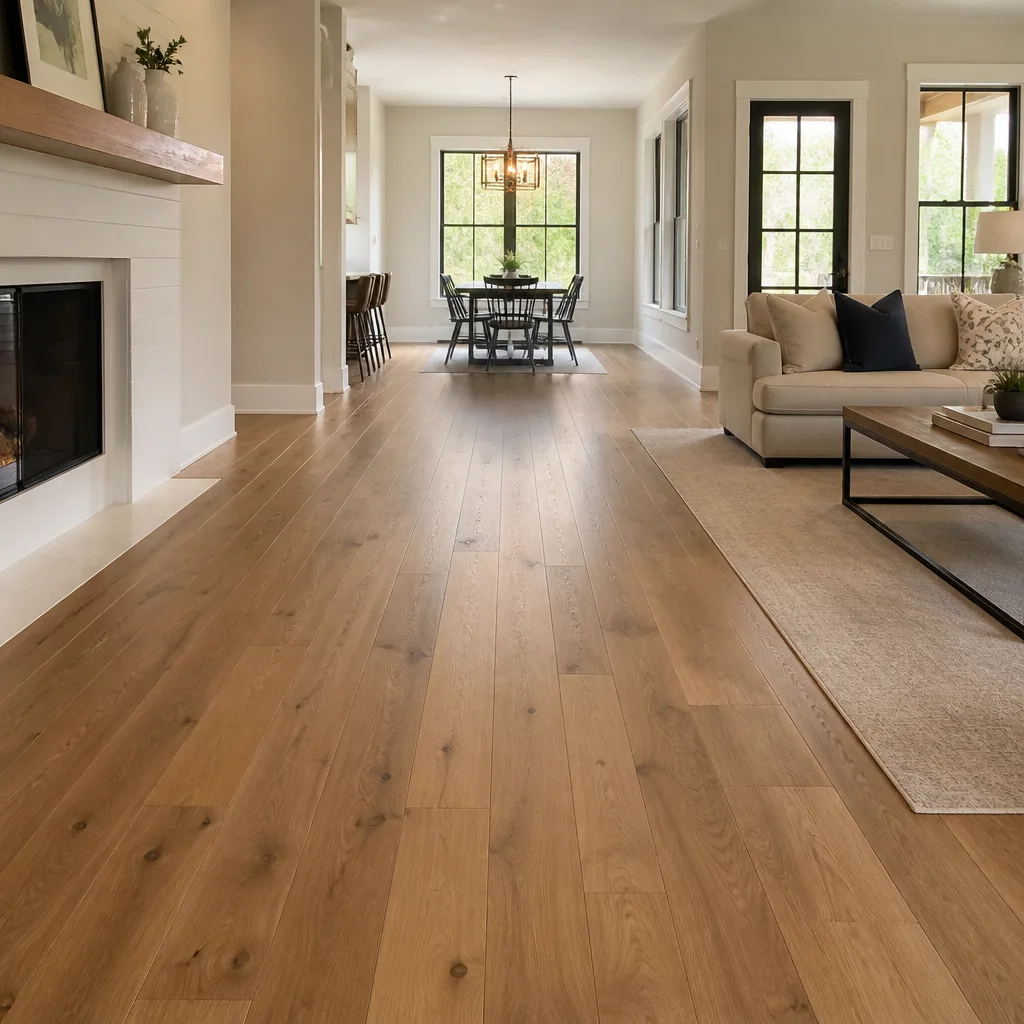 Engineered hardwood
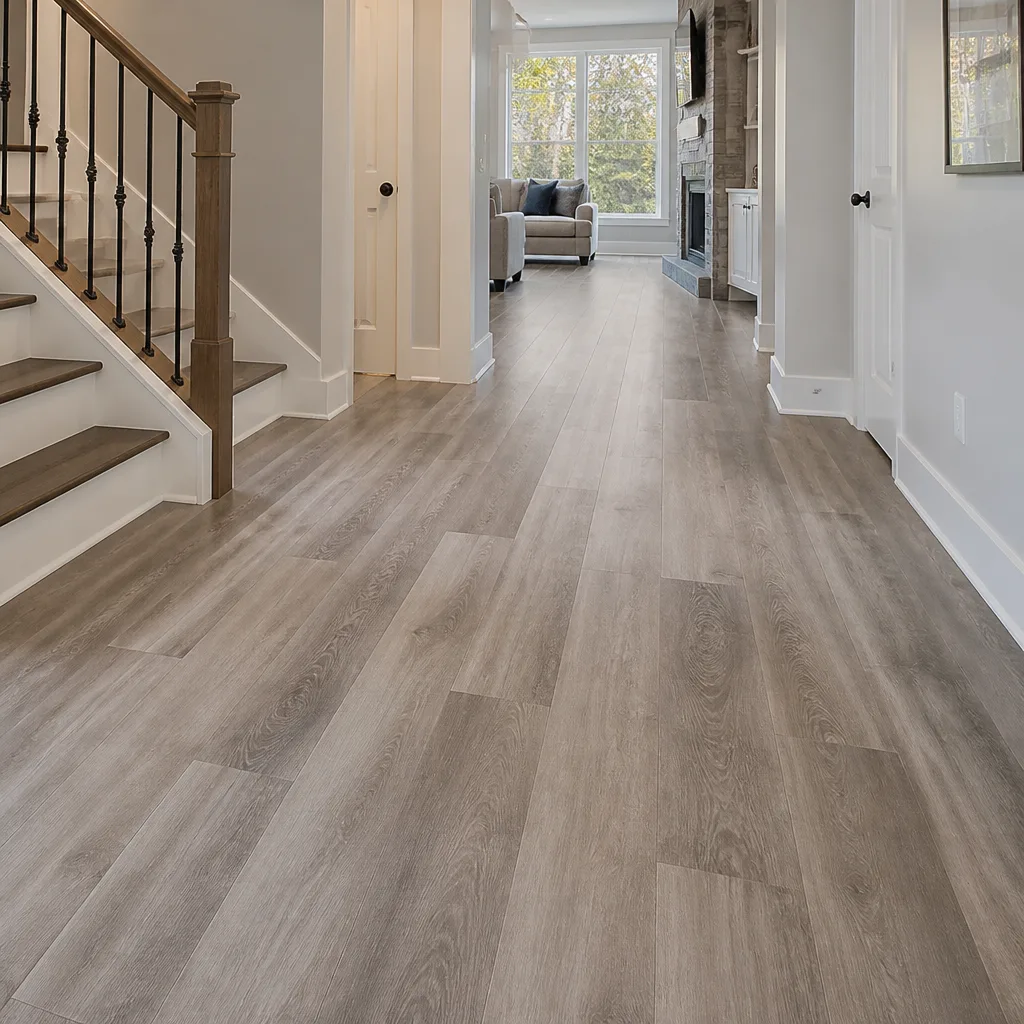 Luxury vinyl plank
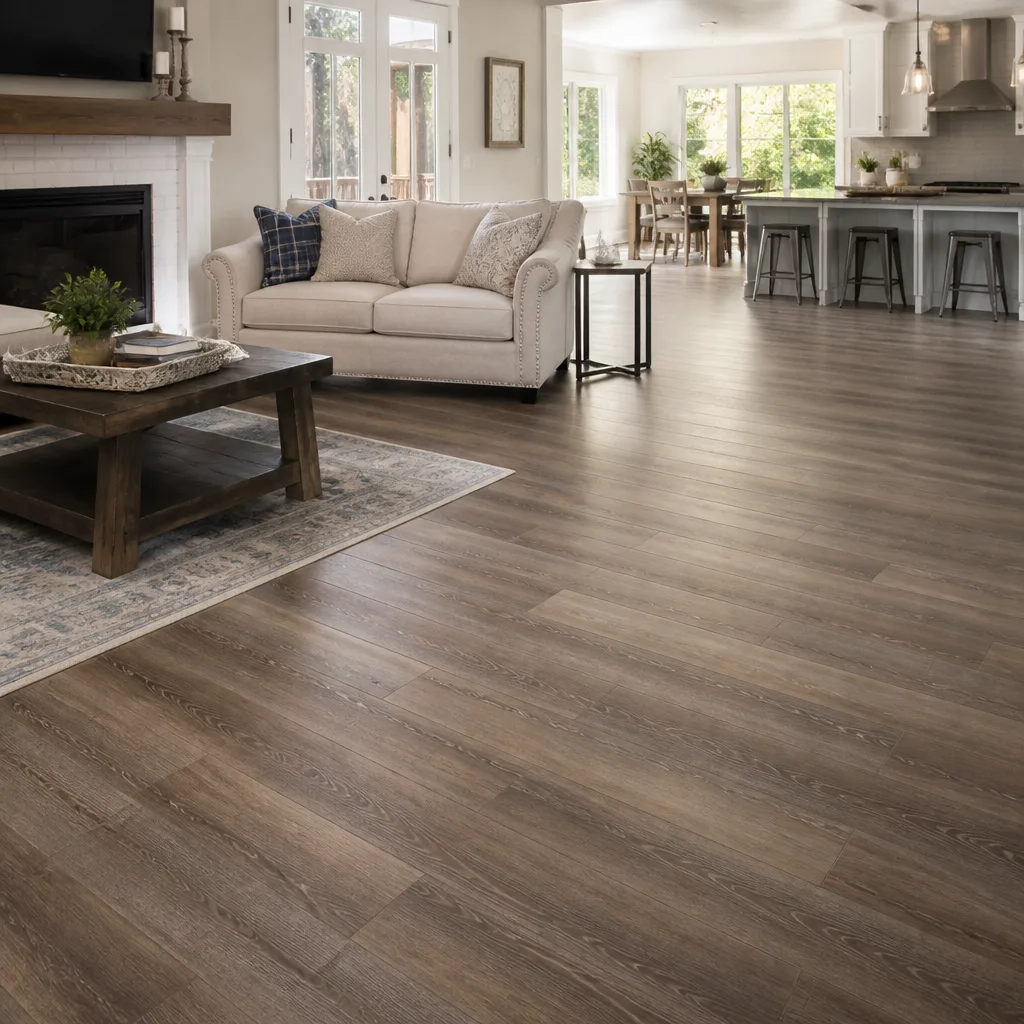 Laminate
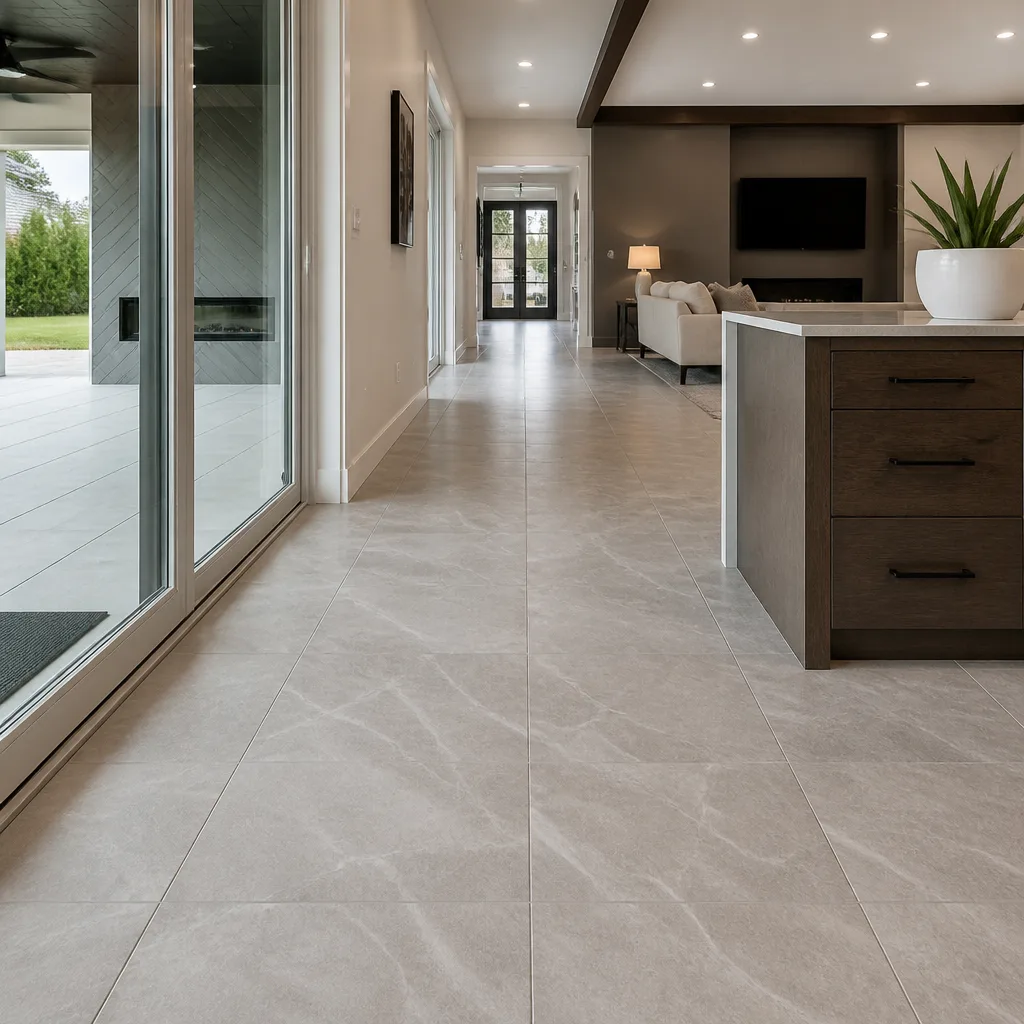 Porcelain tile
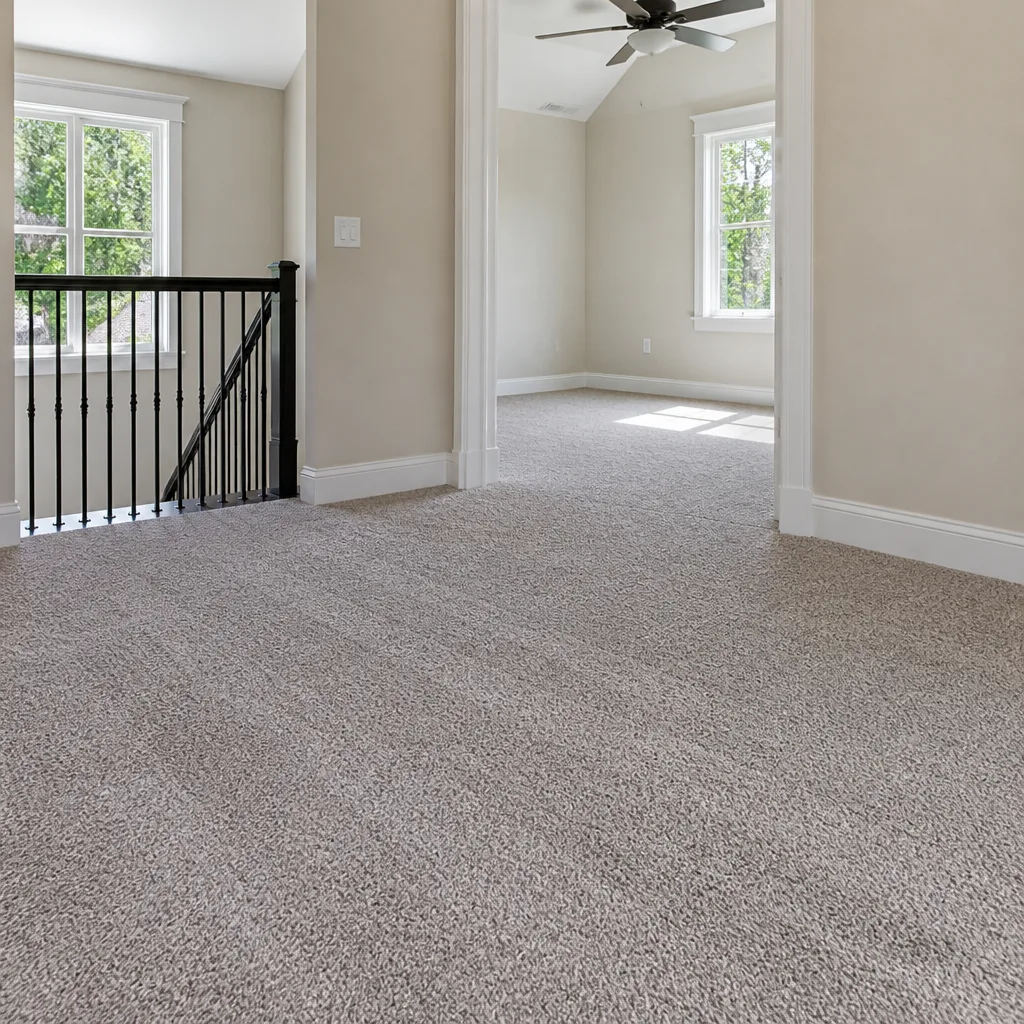 Carpet
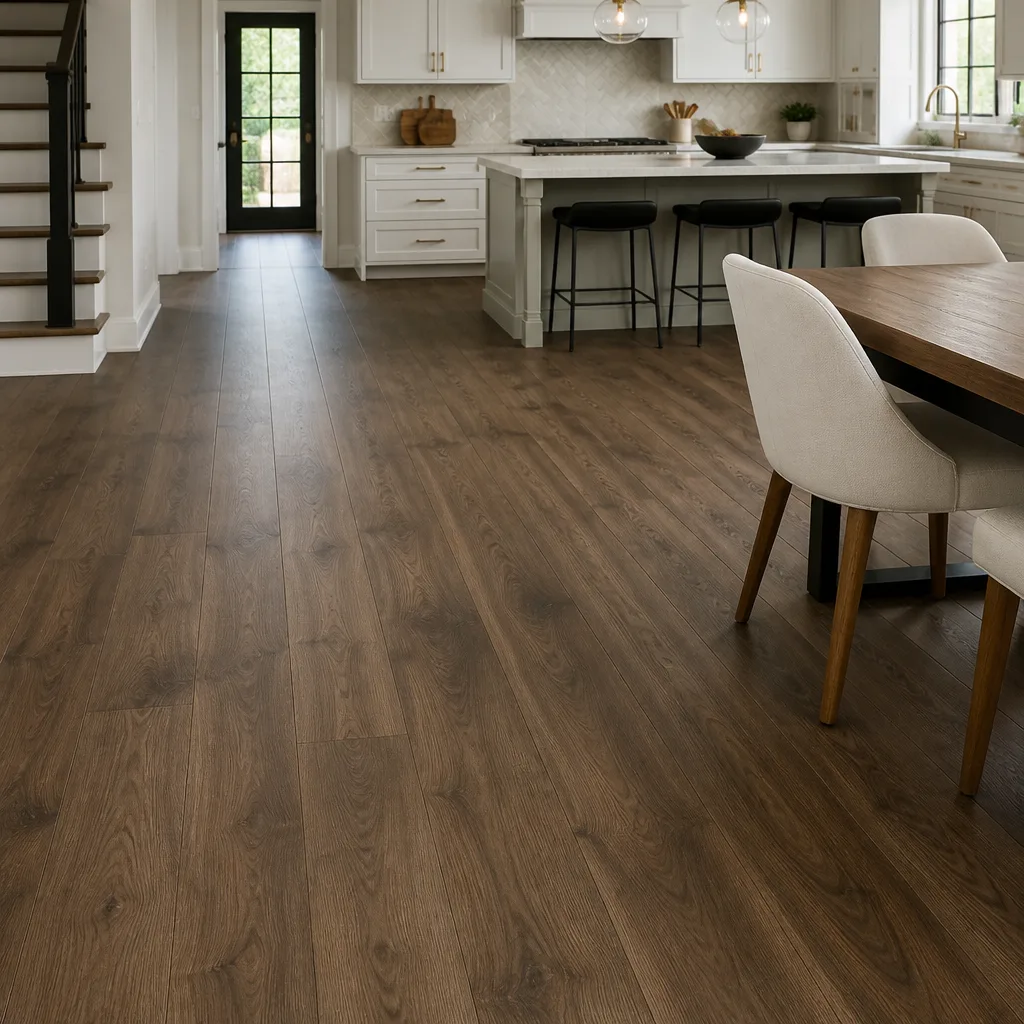 Shaw
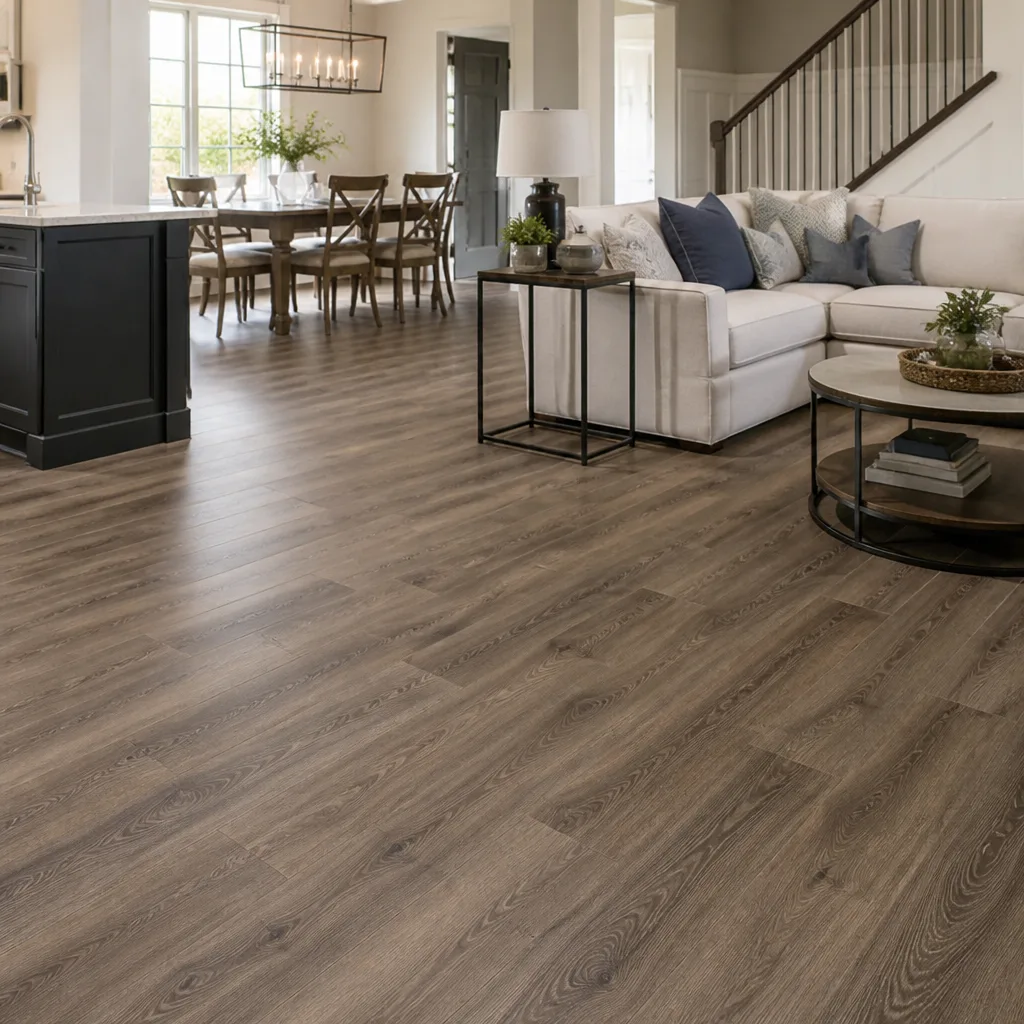 Mohawk
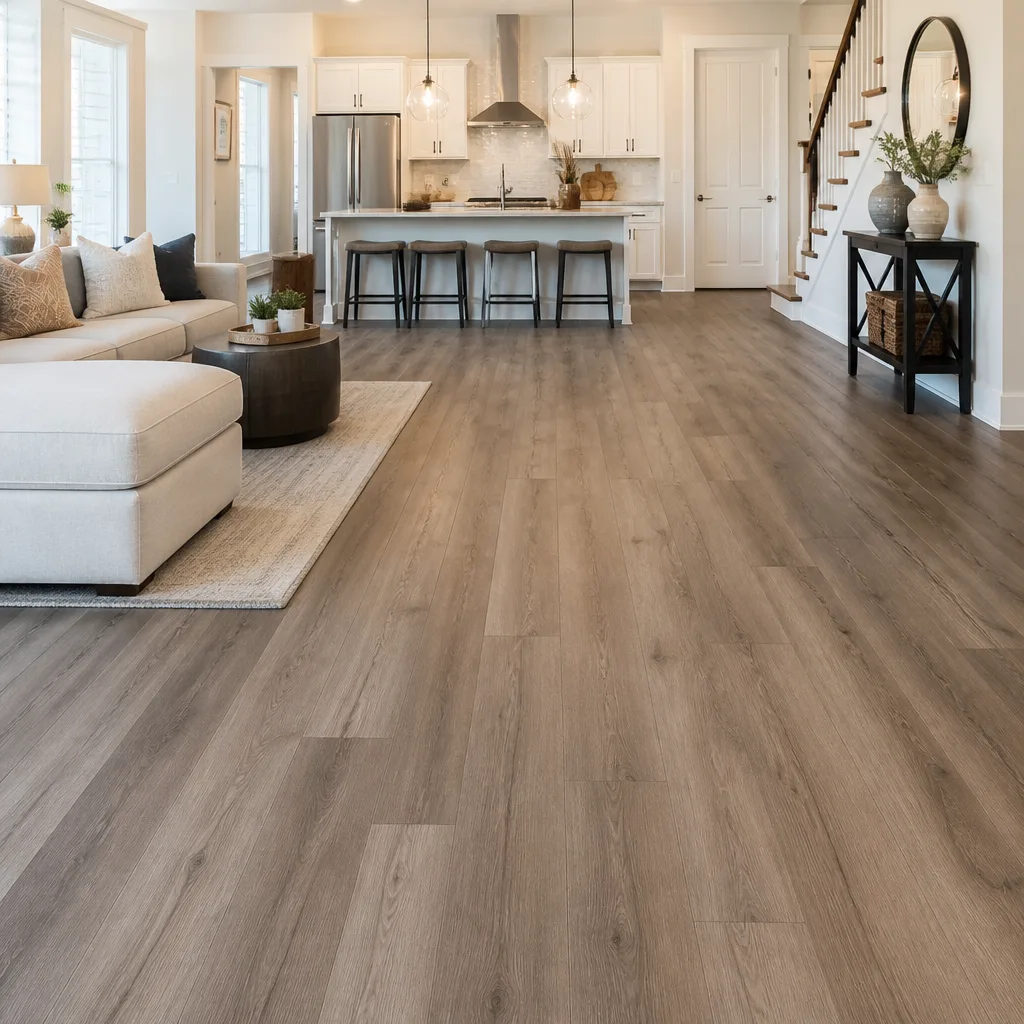 COREtec
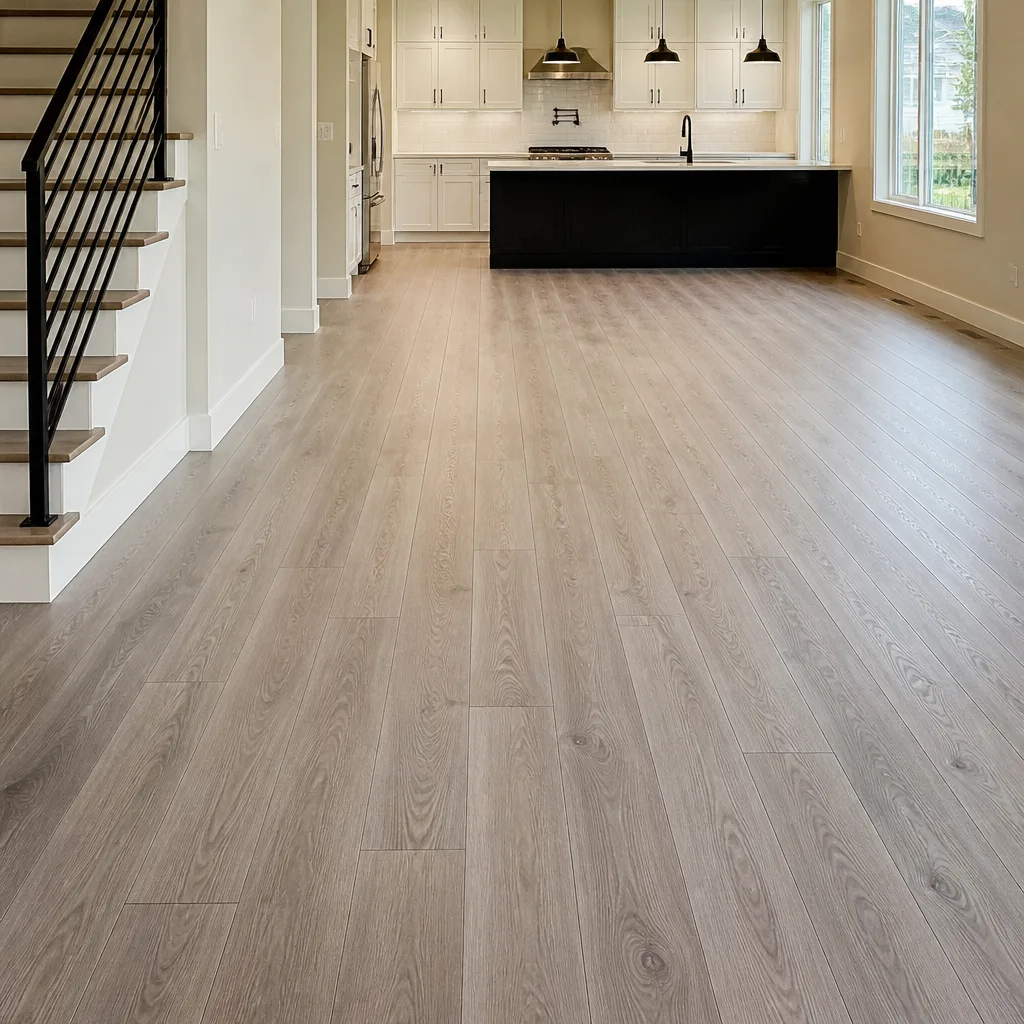 Pergo
Free in-home measure and written estimate: Shaw, Mohawk, COREtec and Pergo lines compared on your own rooms, with carpet, tile, vinyl plank, laminate and hardwood laid out side by side
Get your free estimateHow to Care for New Flooring: Hardwood, Vinyl, Laminate, Tile and Carpet
Most flooring care advice is written as if every home sits in a mild, humid climate with soft water. North Las Vegas is the opposite of that on all three counts. The water coming out of the tap is hard enough to leave visible mineral film, the desert throws fine grit at every doorway, and the sun runs hot through west-facing glass for most of the year. That means the mop you’d use in a coastal city can actually dull a new floor here, and the dust you can’t see does more damage than the spill you can. This guide walks through care routines for hardwood, luxury vinyl, laminate, tile and carpet, calibrated to how homes in North Las Vegas actually live, so the floor you paid for still looks new years from now.
Quick Answer
Care for new flooring in North Las Vegas by dry-dusting often with microfiber, damp-mopping only with pH-neutral cleaners mixed to the dilution on the label, and never using vinegar or oil-based products on hardwood, vinyl or laminate. Control grit at the door, protect south- and west-facing rooms from UV, and manage indoor humidity through the dry winter months. Product-specific routines matter more than any all-purpose floor cleaner.
Styles & brands we work with
- Hardwood
- Engineered hardwood
- Luxury vinyl plank
- Laminate
- Porcelain tile
- Carpet
- Shaw
- Mohawk
- COREtec
- Pergo
Table of Contents
- Hard Water and Your New Floor: The Mineral Film Problem
- Desert Dust: What Grit Does to Wear Layers
- Caring for Hardwood and Engineered Wood
- Caring for Luxury Vinyl and Laminate
- Caring for Tile and Grout
- Caring for Carpet in a Dusty, Pet-Active Home
- UV Fade Protection for South- and West-Facing Rooms
- Seasonal Humidity and Acclimation Care
- Common Mistakes to Avoid
- When to Call a Professional
Hard Water and Your New Floor: The Mineral Film Problem
Las Vegas Valley tap water runs above 275 mg/L in hardness, which puts it among the hardest municipal water supplies in the country. Every wet mop you run leaves a thin mineral residue behind as the water evaporates. On tile grout and textured luxury vinyl, that residue builds into a cloudy film that looks exactly like a dulled finish. Standard floor cleaner won’t cut it, because the problem isn’t dirt – it’s calcium and magnesium deposits bonded to the surface.
The fix is a pH-neutral cleaner and the right dilution. A few rules keep hard water from winning:
- Use pH-neutral floor cleaner only. Mix to the dilution printed on the bottle. More concentrate does not clean better; it leaves a sticky residue that attracts dust.
- Damp-mop, don’t wet-mop. A microfiber mop wrung nearly dry lifts soil without flooding the seams.
- Rinse with clean water, then dry. A second pass with a barely damp microfiber removes the residue the first pass loosened.
- Skip vinegar. Acid dissolves mineral film, but it also attacks the finish on hardwood and the wear layer on vinyl. On hardwood, vinegar-water solutions are the single most common reason a finish warranty gets denied.
- Consider filtered water for the mop bucket. A whole-home softener or a simple filter pitcher for the bucket cuts the mineral load at the source.
In our experience, homeowners in North Las Vegas who switch to a pH-neutral routine see the film stop returning within a few cleanings. The floor isn’t actually dull – it’s coated.
Desert Dust: What Grit Does to Wear Layers
Blowing Mojave dust is fine, abrasive, and relentless. Those particles behave like sandpaper underfoot: every step grinds them across the floor surface. On luxury vinyl and laminate, grit slowly scratches the wear layer, and once that layer scuffs, it can’t be polished back. On hardwood, dust dulls the finish faster than any cleaning product ever will. The counterintuitive takeaway is that dry cleaning frequency matters more than wet cleaning. If you only mop once a week but never dry-dust, grit is sitting on the floor grinding away all week.
Build a dry routine first:
- Microfiber dry-mop high-traffic paths every day or two. Entryways, kitchen runs, and the path from the door to the couch collect the most grit.
- Vacuum hard floors with a brush or hard-floor head weekly. Suction pulls grit out of seams and along baseboards where a mop pushes it around.
- Use walk-off mats at every exterior door. A mat long enough for two or three steps captures most tracked grit before it reaches the floor.
- Wet-clean only after dry cleaning. Mopping a gritty floor just turns dust into mud that dries into a haze.
Homes near the open desert edges of North Las Vegas and along wind-exposed streets collect dust faster than homes tucked into interior neighborhoods. Adjust frequency to what you actually see on the mop pad.
Caring for Hardwood and Engineered Wood
Hardwood and engineered wood need the most careful routine of any floor in a desert home. Wood moves with humidity, and it reacts to liquid quickly. The basics are simple: sweep or dry-mop often, damp-mop rarely, and never let water stand. A pH-neutral wood floor cleaner applied to a microfiber pad is the safe standard. Avoid steam mops entirely – steam drives moisture into seams and can lift finish. Avoid oil soaps and wax products unless the floor’s manufacturer specifically calls for them, since many modern factory finishes don’t accept oil.
Furniture is the other half of hardwood care. Felt pads under every leg, including chair legs, stop scratches before they start. Lift furniture rather than drag it. Keep pet nails trimmed, because a running dog can scuff a finish faster than foot traffic. For homes with direct sun through large windows, area rugs placed in the brightest zones slow the fade that would otherwise appear unevenly across the floor.
Refinishing is the long game. A hardwood floor that’s dull, scratched, or worn at the finish can often be sanded and refinished rather than replaced, provided the wood is thick enough and in good enough condition. Whether your specific floor can be refinished is something to confirm at an in-person estimate, since it depends on wood thickness and condition. When the day comes, our Flooring Installation North Las Vegas team can refinish rather than replace, which preserves the original floor and avoids a full tear-out.
Caring for Luxury Vinyl and Laminate
Luxury vinyl and laminate are the most forgiving floors in a desert home, but forgiving is not the same as indestructible. Both have a wear layer, and both can scratch when grit is ground into them. Sweep or dry-mop often, damp-mop with a pH-neutral vinyl-safe cleaner, and never flood the seams. Water-resistant luxury vinyl handles splashes, but standing water at seams and moisture from below still have to be dealt with – no vinyl floor is truly waterproof. Laminate is even more moisture-sensitive at the seams; wipe up spills promptly and never let a wet mop pool on the surface.
Vinyl and laminate care in a North Las Vegas home comes down to a few habits:
- Use a pH-neutral cleaner made for vinyl or laminate. Avoid abrasive powders and scrub pads.
- Never use steam mops, which can force moisture into seams and edge joints.
- Place felt pads under furniture legs and use floor-protecting casters on rolling chairs.
- Wipe pet accidents fast – urine sitting on a seam is the most common cause of edge swelling on laminate.
- Keep entry mats at doors to cut the grit load.
If you’re still choosing a floor for a pet-active household or a kitchen, our flooring installation team can walk you through which luxury vinyl lines hold up best to claws and traffic. The conversation is about matching product to room, not pushing one brand.
Caring for Tile and Grout
Tile is the toughest surface in the house, but grout is the weak point. Grout is porous, and in a hard-water city it collects mineral film that looks like dirt. A pH-neutral tile cleaner with a damp mop handles the tile itself. For grout, use a soft brush with a pH-neutral grout cleaner and a light touch. Avoid acid cleaners and vinegar on cement-based grout – they etch the surface and make it stain faster over time. A grout sealer applied at install, and resealed as the manufacturer recommends, reduces how much water and oil the grout absorbs.
Sweep or vacuum tile before mopping. Grit on a tile floor isn’t just a scratch risk – it gets pushed into grout lines and works into the pores. In North Las Vegas, where hard water is a given, a rinse pass with clean water after mopping keeps mineral film from building up. For bathrooms and kitchens, wipe down walls near showers and sinks occasionally, since mineral splash is common on tile near wet fixtures.
Tile installation, and any grout or tile repair, should be handled by a professional when the problem is more than cleaning. Loose tiles, cracked grout lines, or hollow-sounding areas underfoot mean the installation or the subfloor needs attention. Our tile flooring installation team can assess whether a tile or grout repair is straightforward or a sign of a deeper issue.
Caring for Carpet in a Dusty, Pet-Active Home
Carpet in a desert home collects fine particulate – dust, dander, and tracked-in soil – deep in the pile. That’s why vacuum quality matters more than vacuum frequency alone. A high-efficiency vacuum with a HEPA filter traps the finest particles rather than blowing them back into the room. Vacuum high-traffic zones twice a week at minimum, and edge-to-edge once a week. Use the beater bar on plush carpet but a suction-only head on loop or berber styles to avoid pulling loops.
Pets add two jobs to carpet care. First, blot accidents immediately with a clean white cloth and a pet-safe enzyme cleaner, pressing from the outside in so the stain doesn’t spread. Second, keep pet nails trimmed; snags at looped carpet edges are usually nail damage. For professional cleaning intervals, most carpet manufacturers recommend hot-water extraction on a schedule, and a household with pets in a dusty climate sits at the more frequent end of that range. Follow the manufacturer’s guidance for your specific carpet, and treat professional cleaning as routine maintenance rather than an emergency response.
When it’s time to replace carpet rather than clean it, our carpet installation team handles soft-surface work with brands like Shaw and Mohawk, matched to how the room is actually used.
UV Fade Protection for South- and West-Facing Rooms
North Las Vegas sees roughly 294 sun days a year, and south- and west-facing rooms take the brunt of it. UV exposure fades hardwood finishes, bleaches carpet dyes, and yellows some vinyl surfaces over time. The damage is often uneven: a rectangle of unfaded floor where a rug sat, surrounded by a sun-bleached border. The best defense is blocking the light before it hits the floor. Window film, UV-blocking shades, or sheer curtains on the brightest windows dramatically reduce the UV load. Many of the products we install, including lines from Shaw and Armstrong, offer wear layers or finishes with UV inhibitors, but no floor finish is fully UV-proof. Window film is the investment that pays back across every floor in the room, not just the one nearest the glass.
Repositioning rugs and furniture twice a year evens out sun exposure so fading isn’t concentrated in a single shape. In rooms with uncovered south- or west-facing windows, consider a UV-blocking film even if you don’t otherwise care about sun control – the floor will last longer for it.
Seasonal Humidity and Acclimation Care
Desert air can drop below 20% relative humidity in winter, and that dry air pulls moisture out of wood and laminate. Engineered hardwood can shrink slightly at the joints, and laminate glue joints can open or gap when the indoor air is bone-dry. The fix is very simple: keep interior humidity stable. A whole-home humidifier set to a moderate level protects floors better than any topical product. Avoid running a heater so hard that indoor air dries out further, and don’t let a room sit sealed and sun-baked for weeks on end.
New flooring also needs to acclimate to the home before installation, and acclimation time depends on the product and the manufacturer’s instructions. Your installer should confirm the specific requirements for your floor as part of the estimate and installation plan. Once the floor is in, stable humidity keeps it stable. Humidity swings, not steady dry air, are what cause most seasonal movement.
Common Mistakes to Avoid
- Using vinegar or a generic all-purpose cleaner on hardwood. Acidic cleaners break down finish and are a common reason a finish warranty claim gets denied.
- Wet-mopping luxury vinyl or laminate. Standing water at seams causes edge swelling and dulls the wear layer. Damp-mop only.
- Steam-mopping wood, vinyl, or laminate. Steam forces moisture into joints and finishes. Save steam for sealed tile only, and only if the tile and grout are rated for it.
- Skipping dry cleaning in favor of wet cleaning. Grit does more damage in North Las Vegas than dirt does. Dry-dust often; wet-clean less.
- Scrubbing grout with acid or vinegar. Both etch cement-based grout and leave it more porous than before.
- Ignoring sun exposure in south- and west-facing rooms. Uneven fading is the first complaint we hear from homeowners who haven’t shielded their brightest windows.
- Letting winter indoor air run bone-dry. Humidity below 20% is a common cause of gapped joints in engineered wood and laminate.
When to Call a Professional
Cleaning routines handle dirt and dust, but some problems are beyond a mop. Call a flooring professional if hardwood is cupping, buckling, or gapping beyond a hairline; if tile is loose, cracked, or hollow-sounding underfoot; if laminate seams are swelling and won’t recover; or if carpet has stains or odor that routine cleaning won’t remove. Call us as well if you’re choosing between repair, refinish, and replacement – the right answer depends on the product, the room, and how the home is used. Our technicians have up to 12 years of experience assessing floors in every condition. Flooring Installation North Las Vegas offers free estimates in North Las Vegas – call (888) 515-5223 to schedule yours, and we’ll look at your floor in person before recommending anything.
See the difference
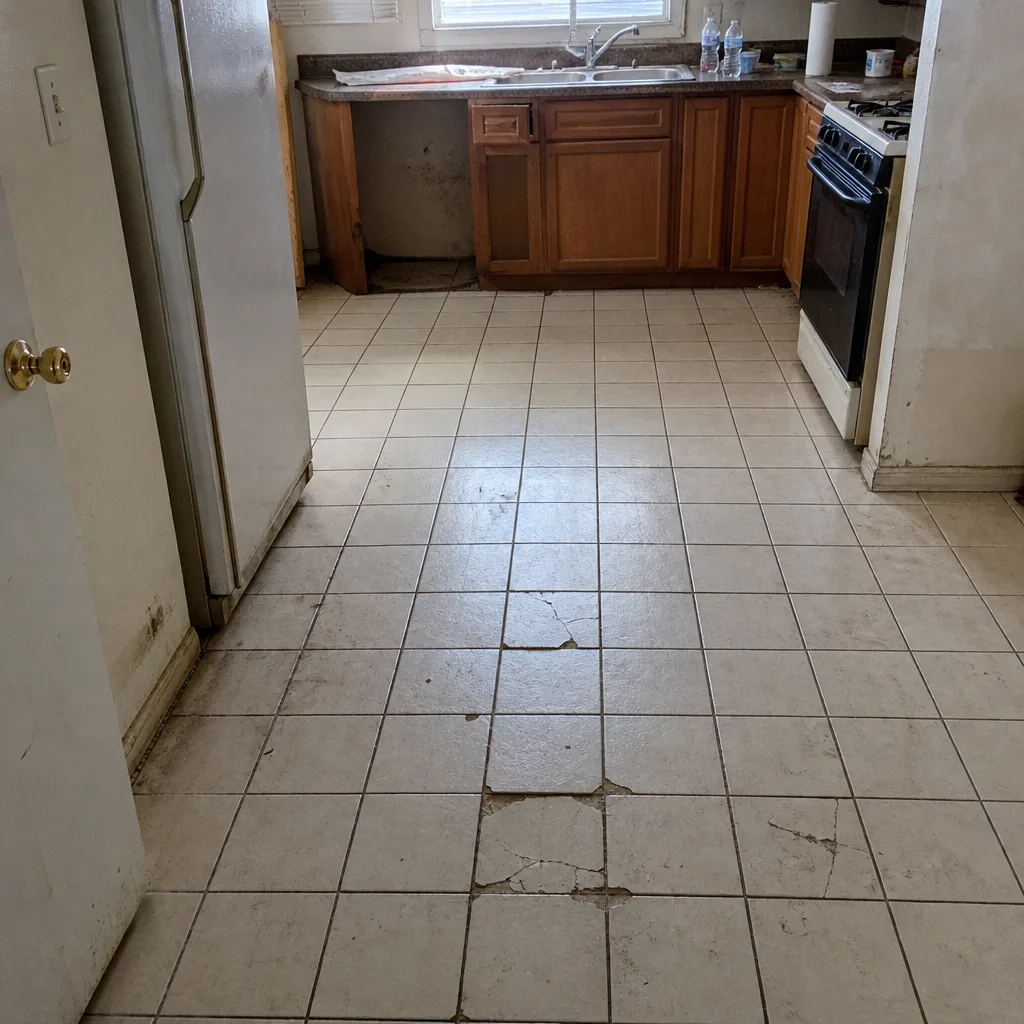 Before
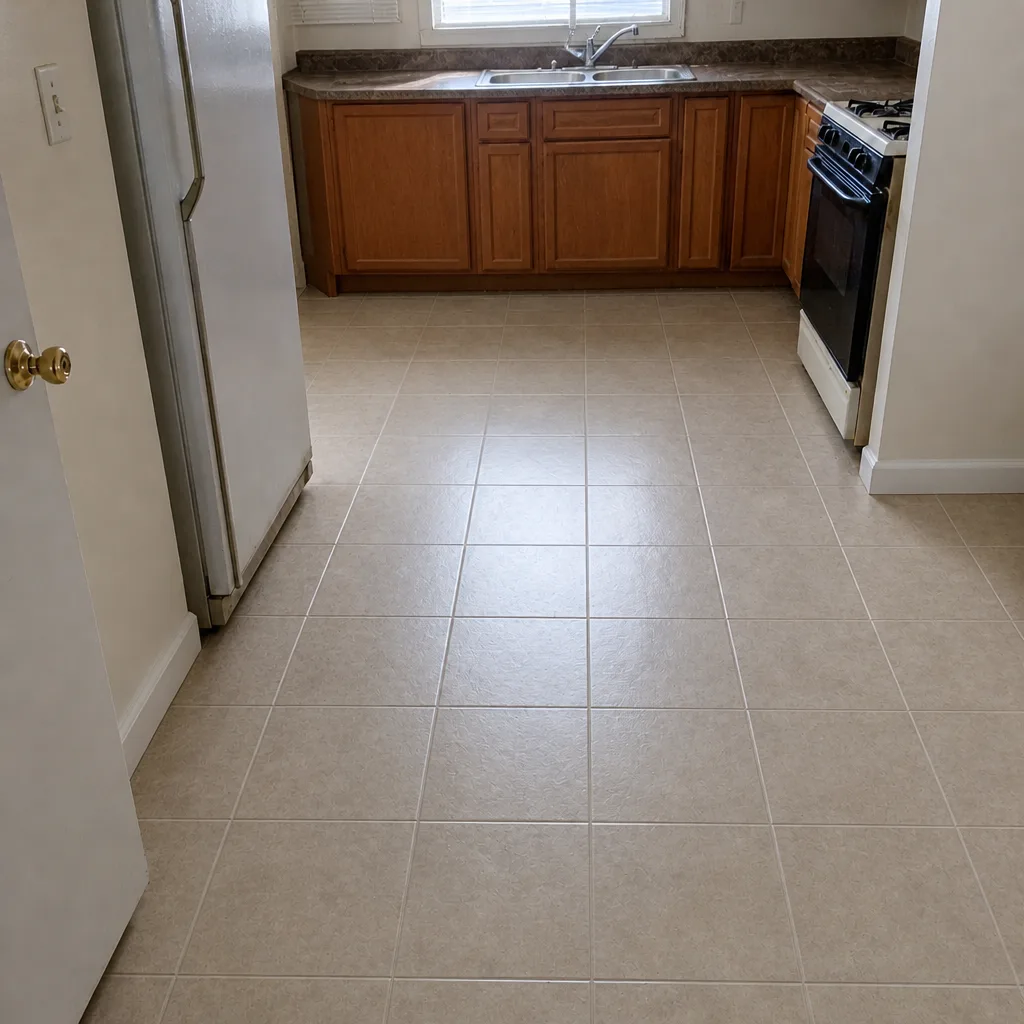 After
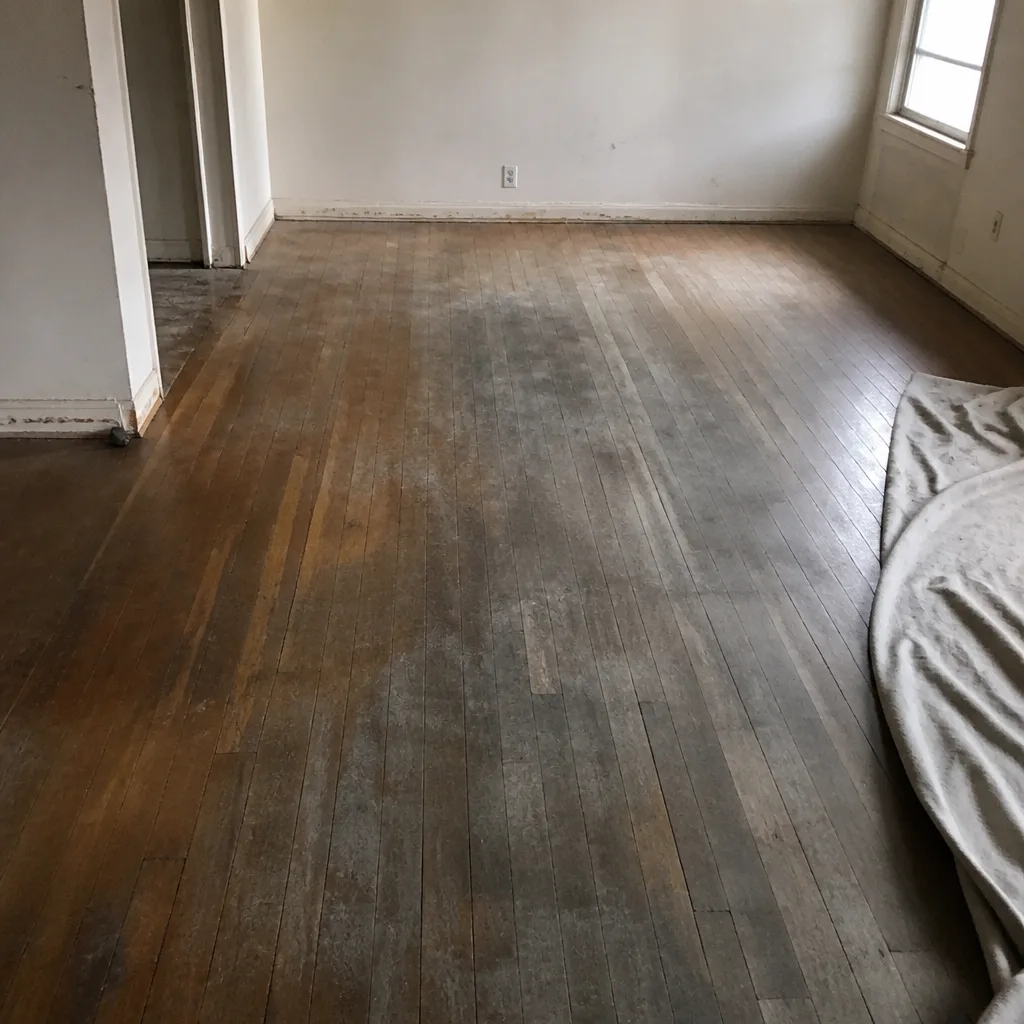 Before
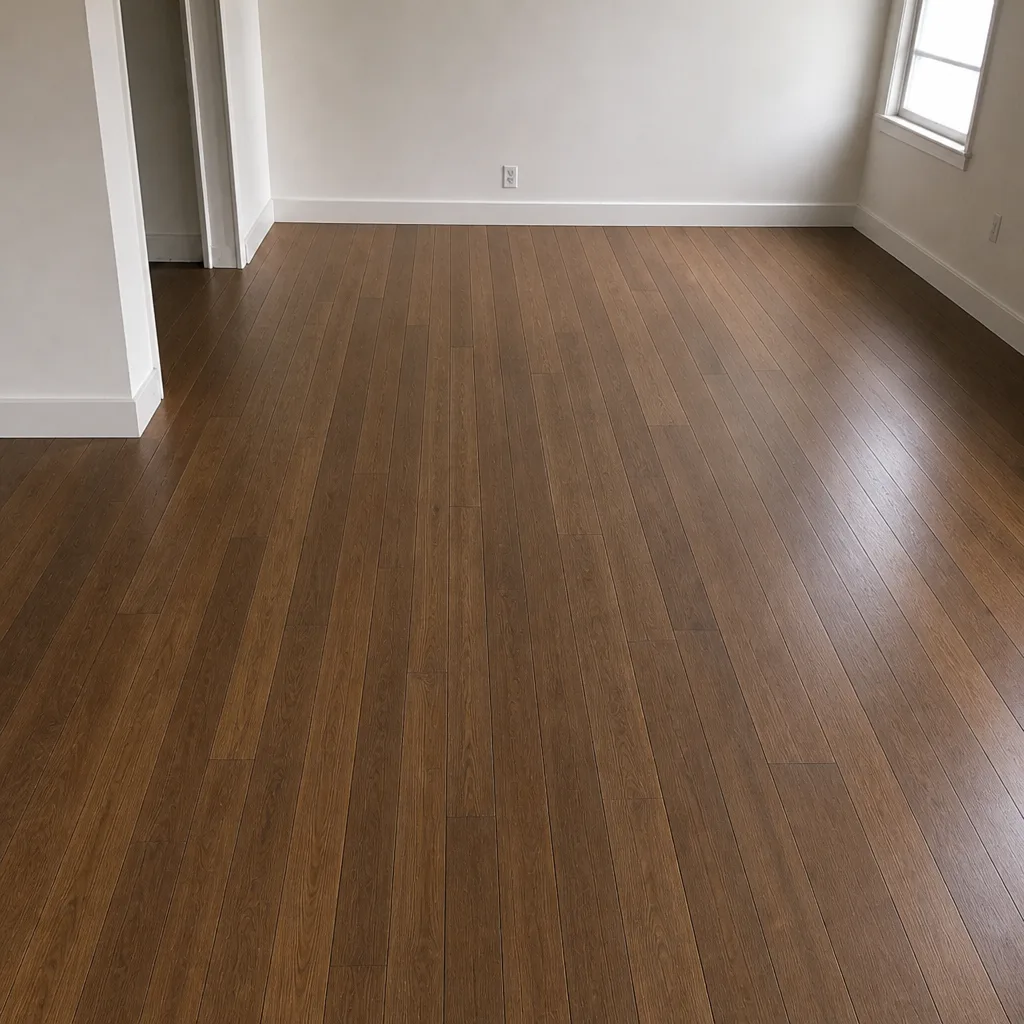 After
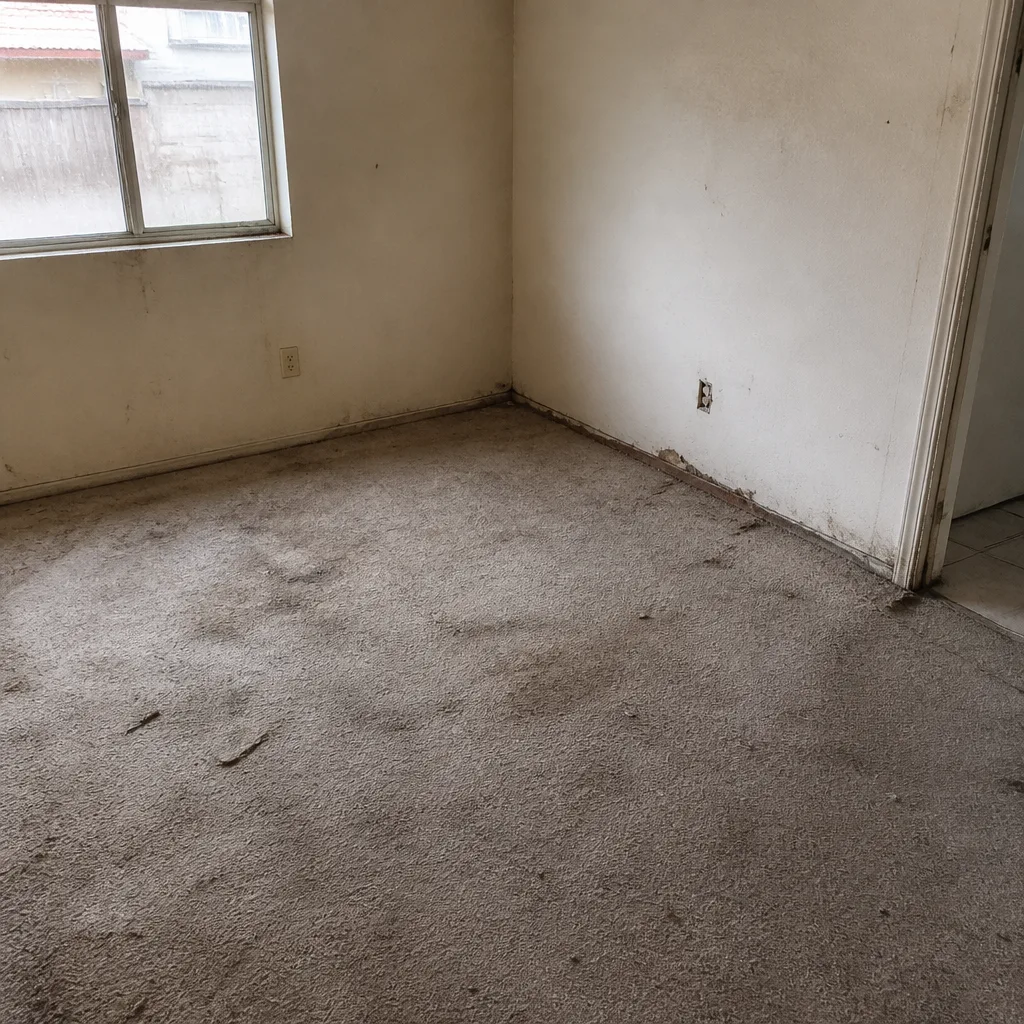 Before
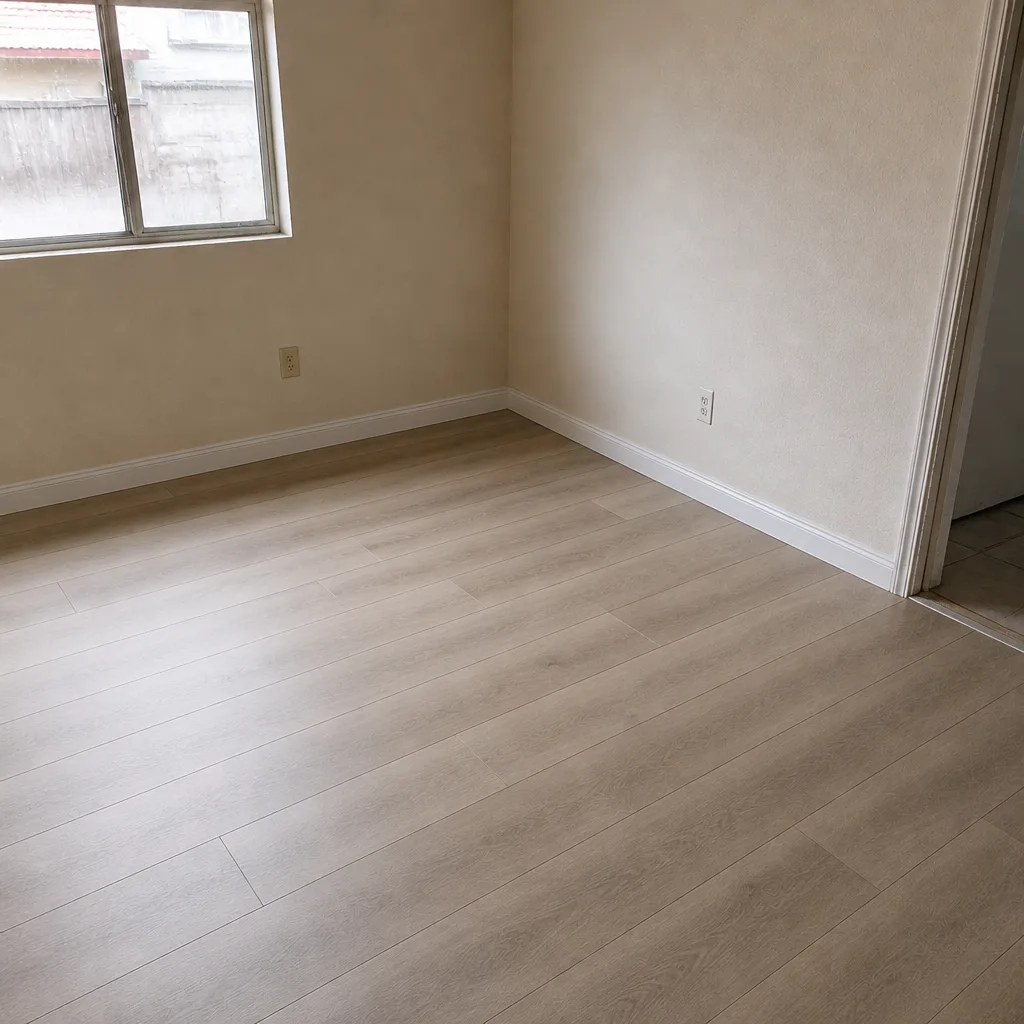 After
Frequently Asked Questions
Damp-mop about once a week with a pH-neutral cleaner, and dry-dust or vacuum two to three times a week in high-traffic areas. Hard water means each mop pass leaves mineral residue, so less frequent wet cleaning with clean, filtered, or softened water is actually better for the floor than frequent mopping. Call (888) 515-5223 if you want help matching a routine to a specific product.
No. Vinegar is acidic and gradually breaks down the finish on hardwood, and on many factory-finished floors it’s a common reason finish warranty claims get denied. Use a pH-neutral wood floor cleaner instead, and check the product’s care instructions. If your floor’s finish is already damaged, call (888) 515-5223 for a free estimate on refinishing versus replacement.
That dull look is usually mineral film from hard water, not a worn floor. Las Vegas Valley water is above 275 mg/L hardness, and each wash leaves a thin residue that builds into a haze. Switch to a pH-neutral vinyl cleaner mixed at the labeled dilution, damp-mop, and do a clean-water rinse pass. Call (888) 515-5223 if the film isn’t coming up with a new routine.
No. Steam can force moisture into seams and edge joints and damage the wear layer. Damp-mop only with a pH-neutral cleaner, and wipe up spills promptly. If seams are already swelling or lifting, call (888) 515-5223 for an inspection before the damage spreads.
Block the light before it hits the floor. Window film, UV-blocking shades, or sheer curtains on south- and west-facing windows cut the UV load, and repositioning rugs and furniture twice a year prevents uneven fading. Many of the floor lines we install, including Shaw and Armstrong, include UV inhibitors in their finishes, but window film protects every surface in the room, not just the floor.
Yes. Desert air below 20% relative humidity pulls moisture out of engineered wood and laminate, and that can open glue joints. A whole-home humidifier set to a moderate level keeps the home stable and prevents most seasonal gapping. If your floor has already gapped, call (888) 515-5223 for an assessment.
The Bottom Line
New flooring care in North Las Vegas comes down to three things: control grit before it scratches, control water before it leaves mineral film, and control sun and humidity before they reshape or fade the floor. Dry-dust more often than you wet-clean. Use pH-neutral cleaners and skip vinegar. Shield south- and west-facing windows. Keep winter indoor air stable. Match the routine to the product, not the other way around. If a problem goes beyond cleaning – scratches, gaps, cracks, or fading – a trained professional can tell you whether repair, refinish, or replacement is the smarter move. Call (888) 515-5223 to schedule a free estimate. We answer 24/7, with fast dispatch from 7am to 7pm, Sunday through Friday. Our team serves North Las Vegas with product knowledge across nine flooring brands and three focused services: carpet installation, tile installation, and hardwood refinishing.
Written by the team at Flooring Installation North Las Vegas.