
Last updated November 18, 2026
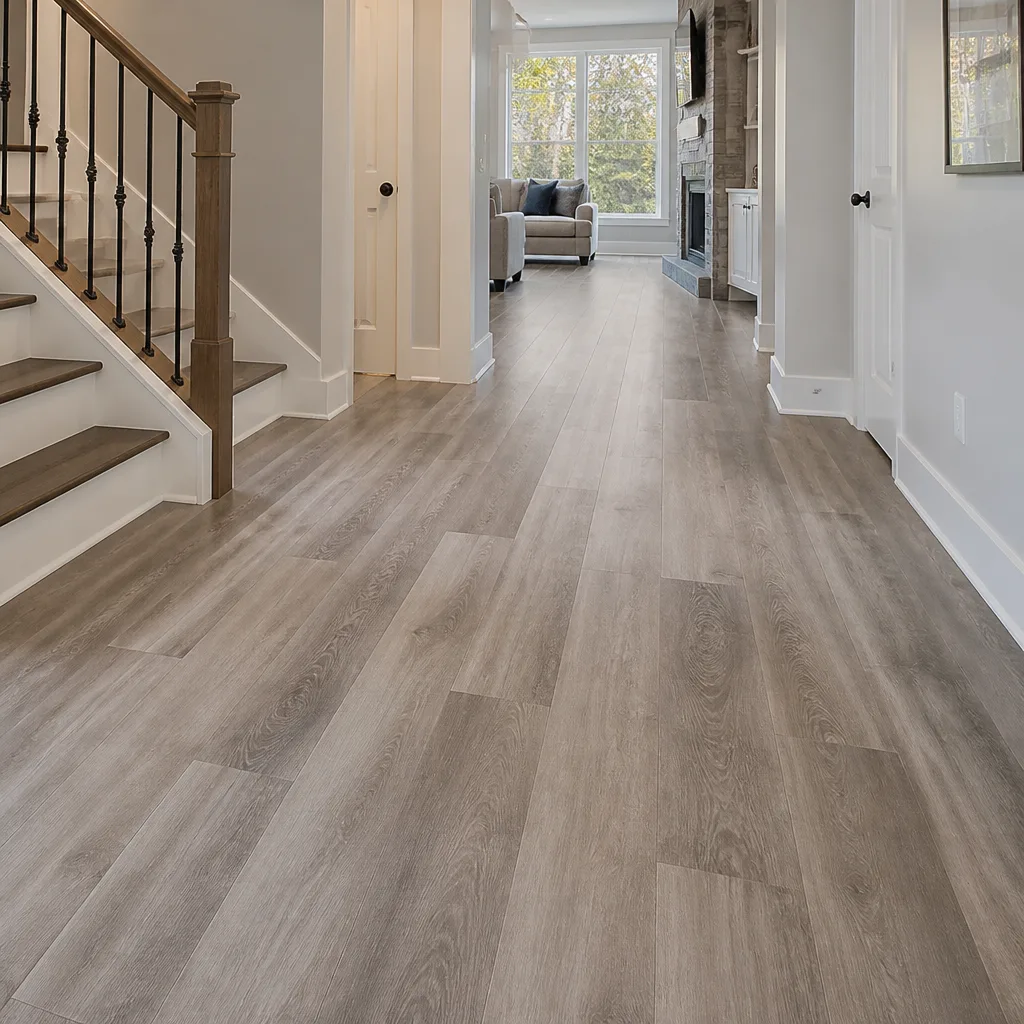 Luxury vinyl plank
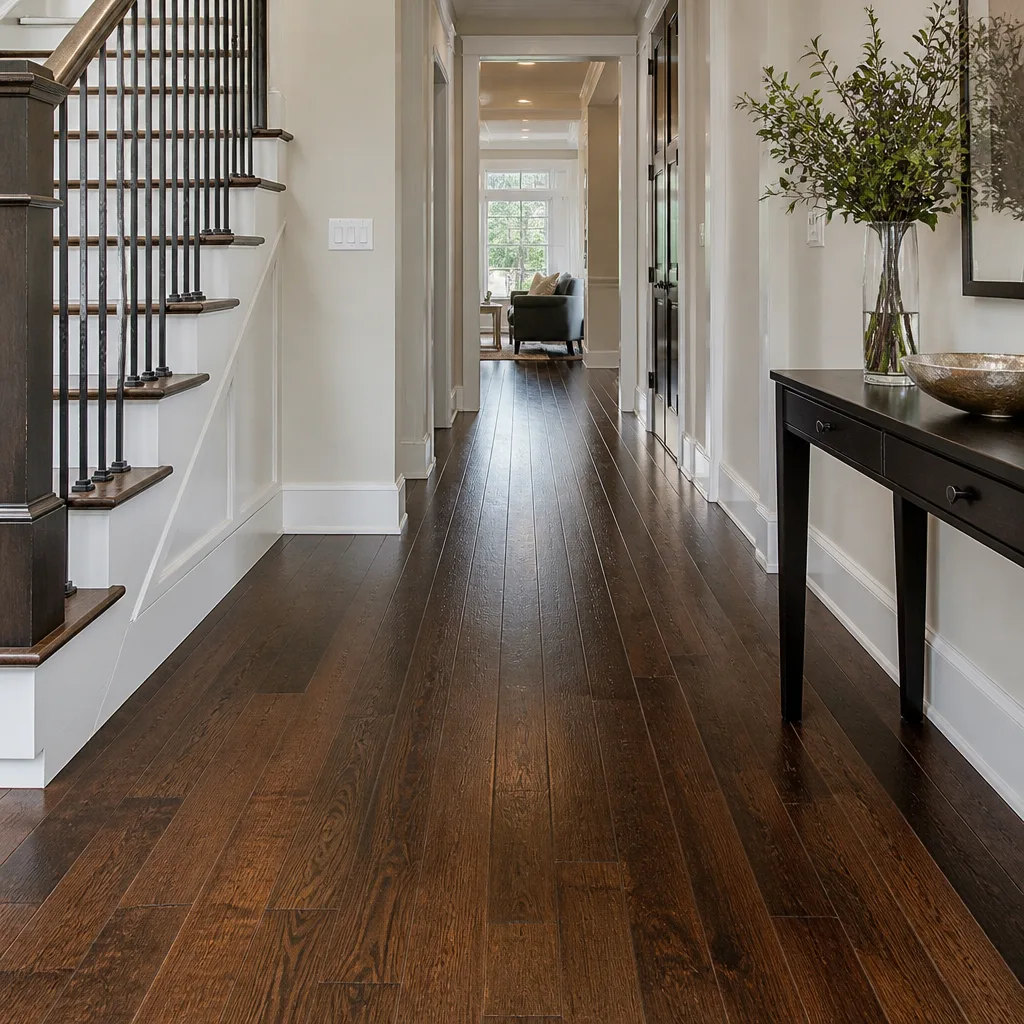 Hardwood
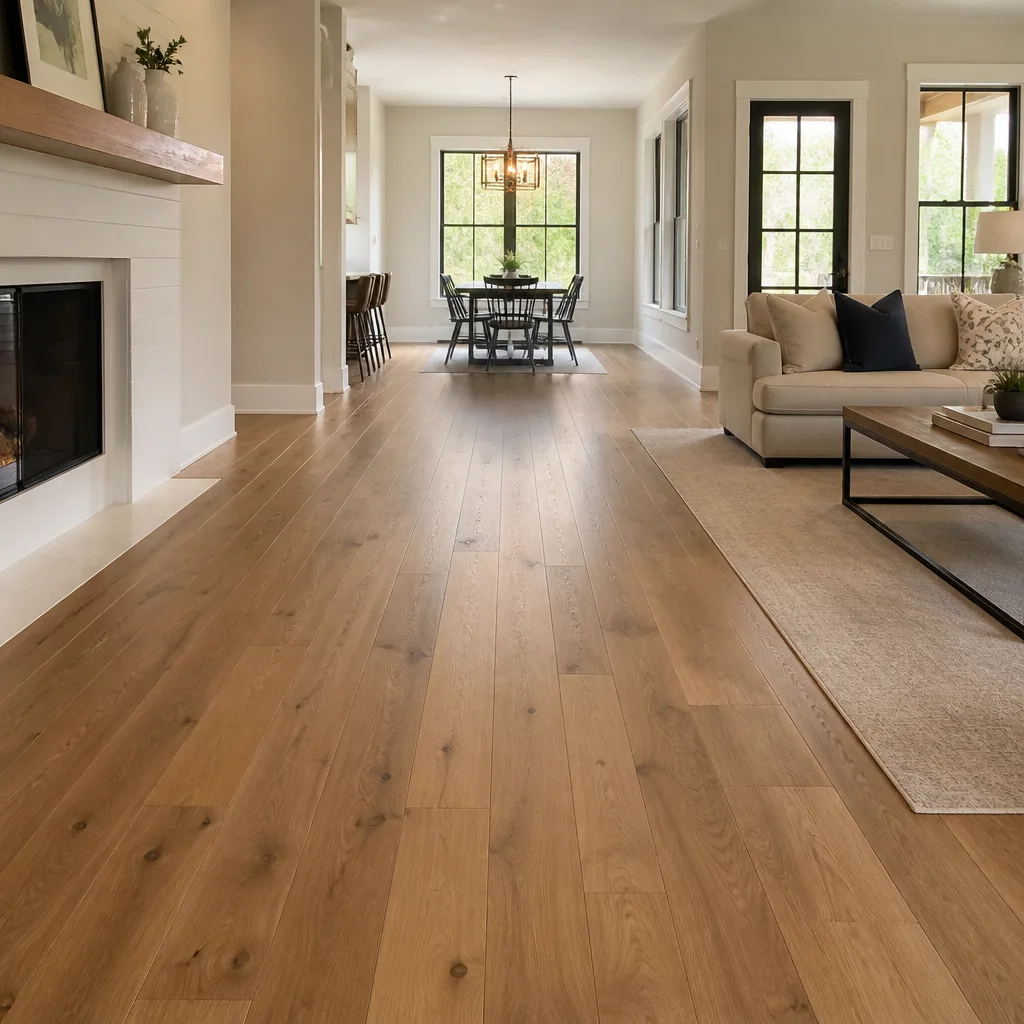 Engineered hardwood
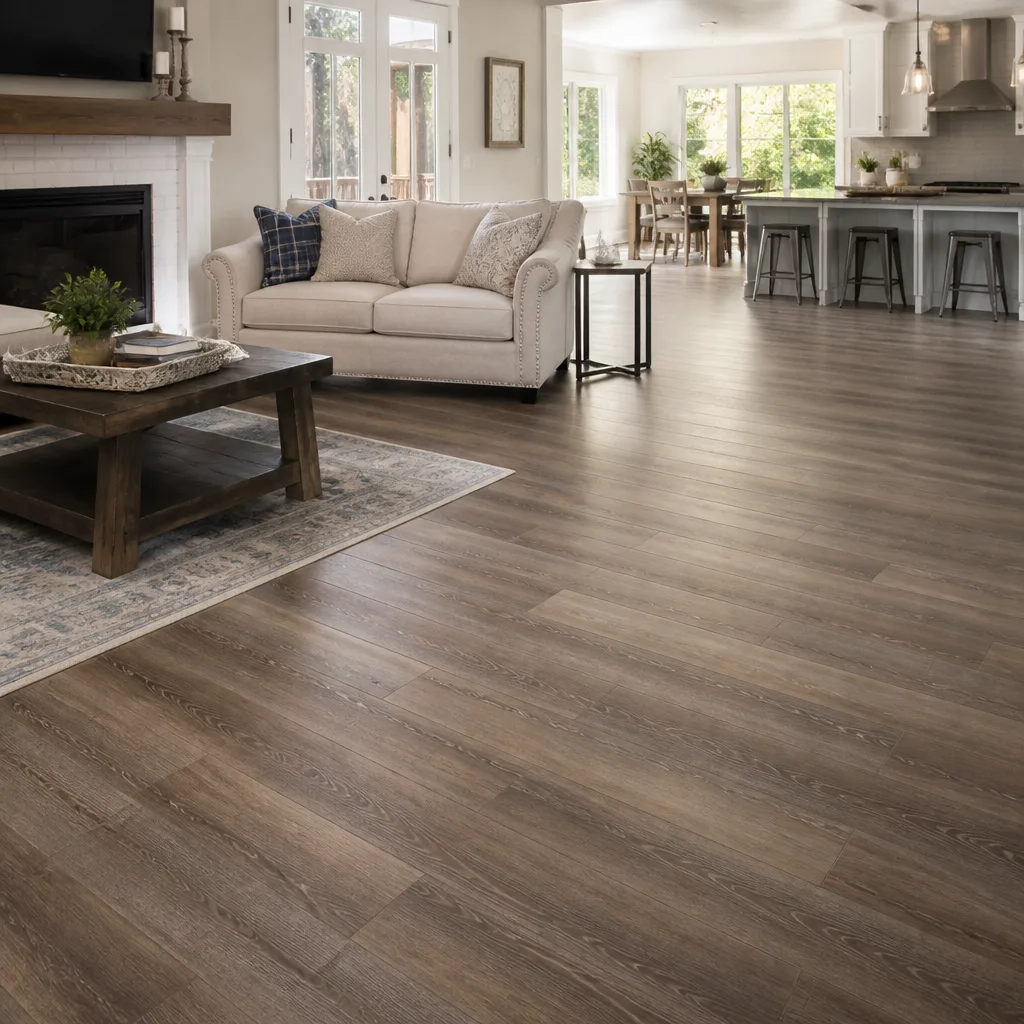 Laminate
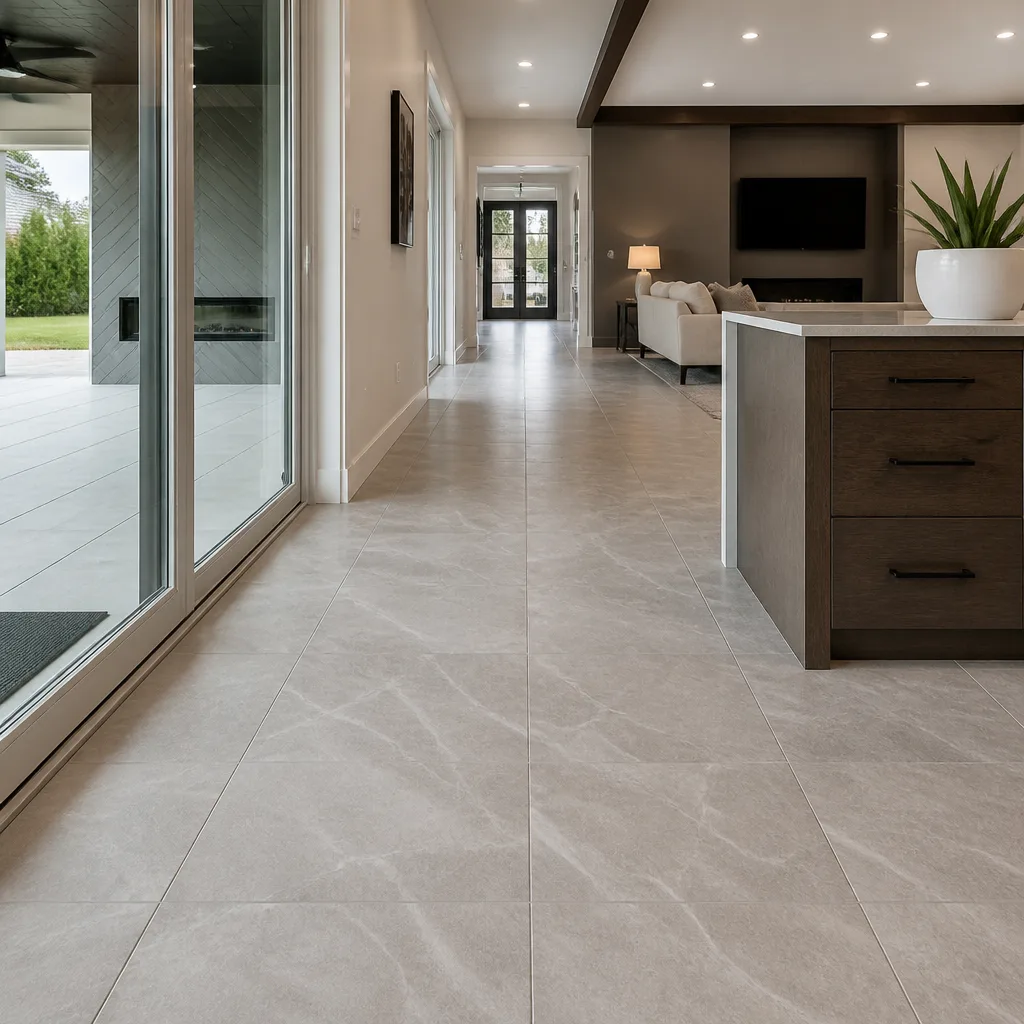 Porcelain tile
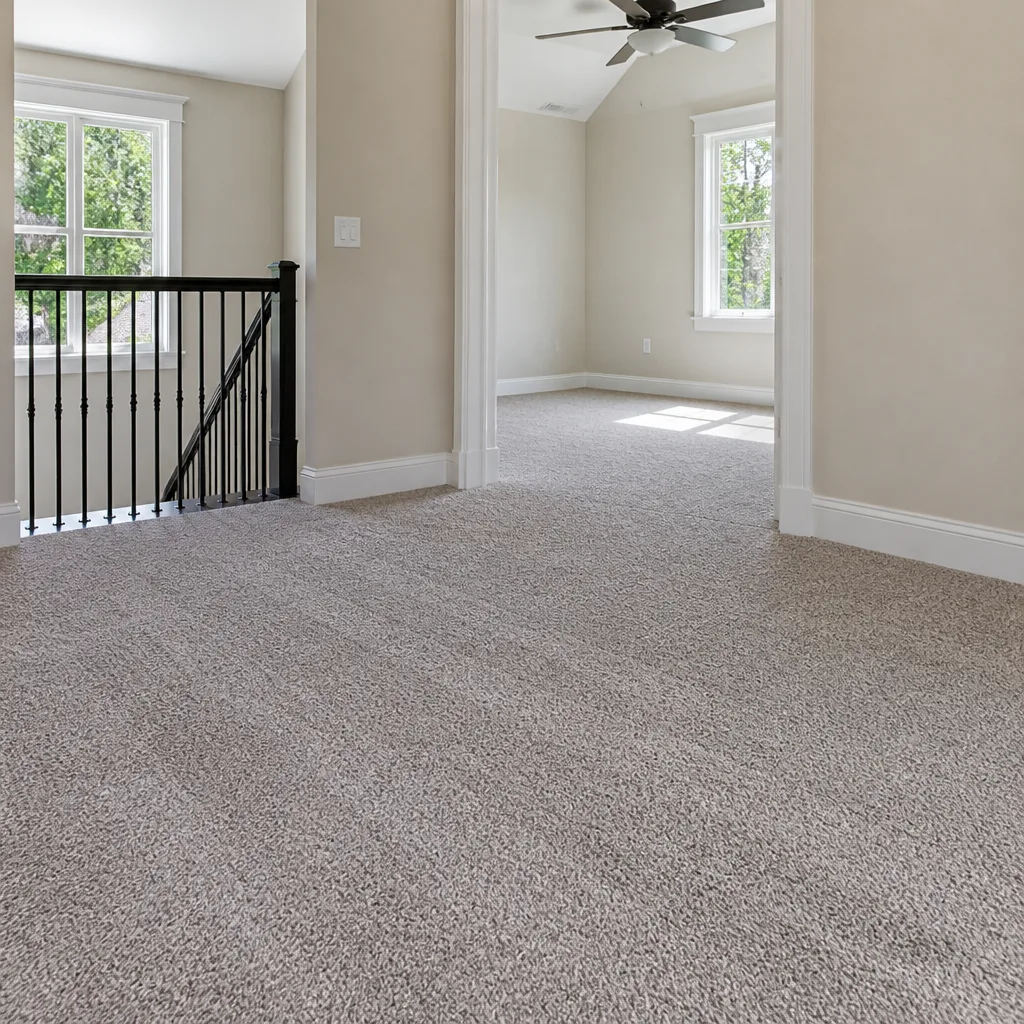 Carpet
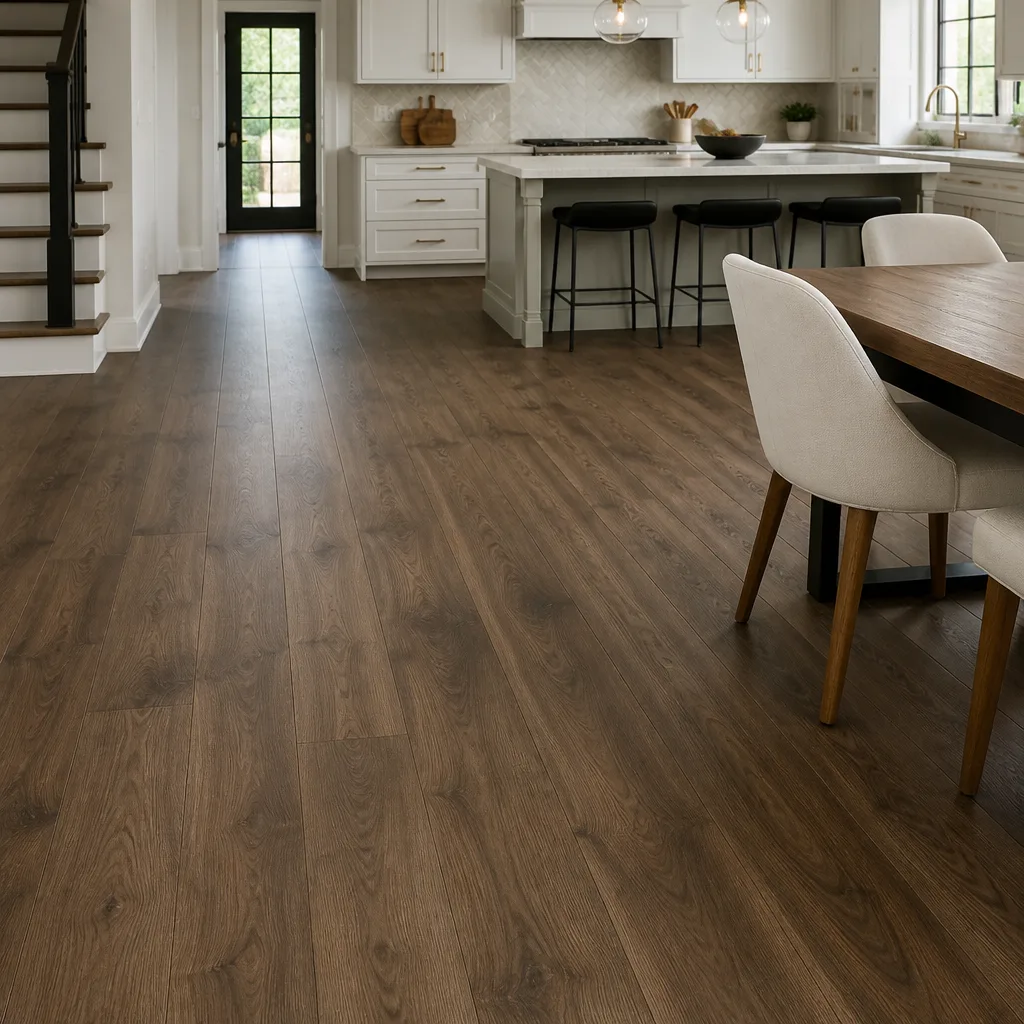 Shaw
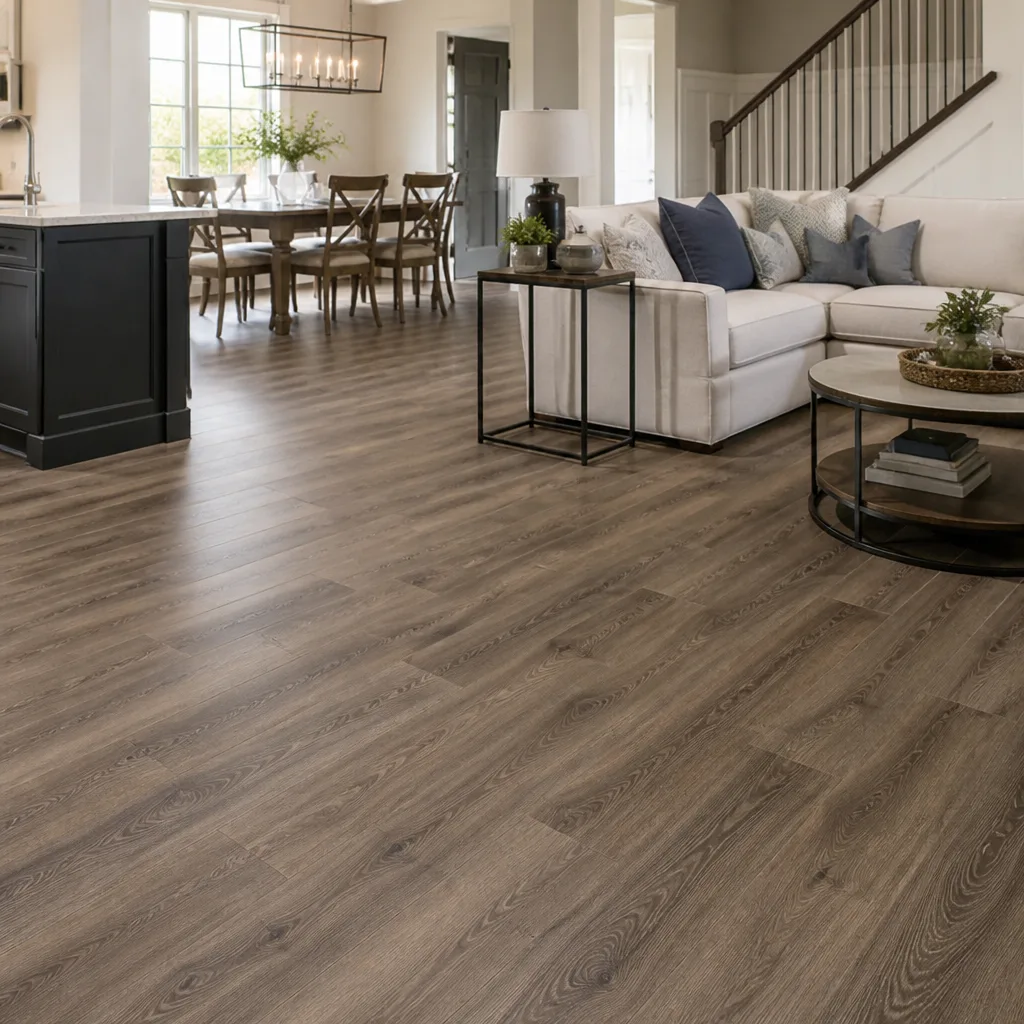 Mohawk
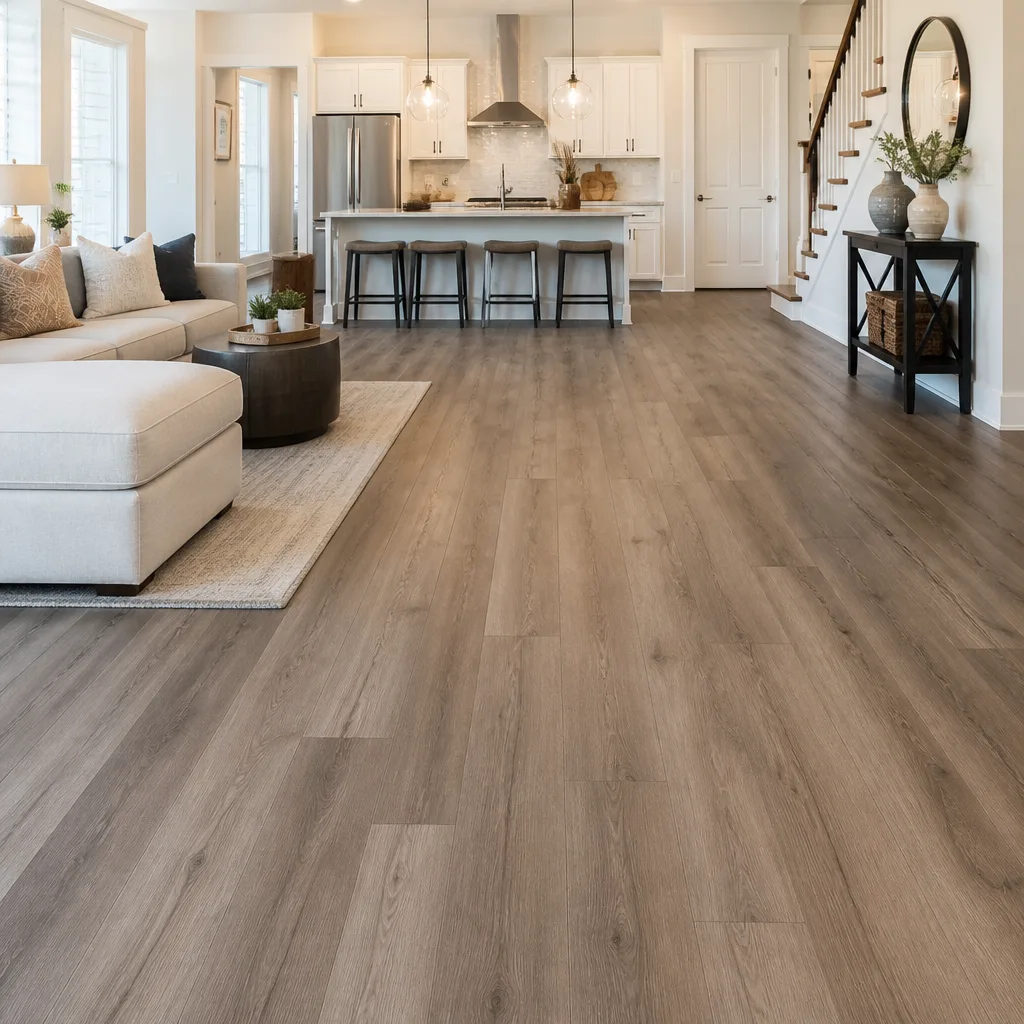 COREtec
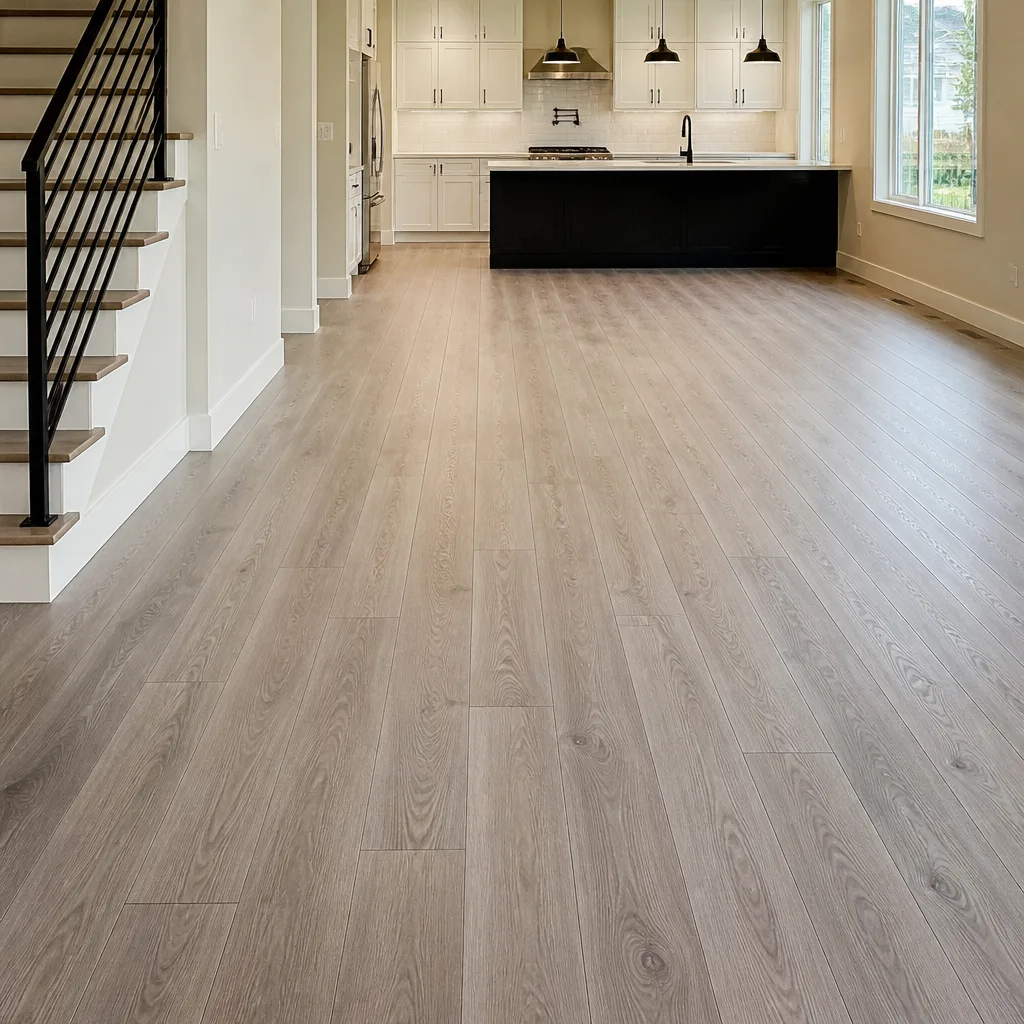 Pergo
Free in-home measure and written estimate: Shaw, Mohawk, COREtec and Pergo lines compared on your own rooms, with carpet, tile, vinyl plank, laminate and hardwood laid out side by side
Get your free estimateHardwood, Vinyl Plank, Laminate or Tile: How North Las Vegas Homeowners Decide
Most homeowners in North Las Vegas start this decision in the wrong place. They walk into it comparing colors, plank widths and finishes, and they walk out having chosen a floor that fails within a few seasons. Here’s the counterintuitive part: hardwood doesn’t fail in the desert because people mistreat it. It fails because the house itself swings through a daily temperature range that no finish can absorb. The floor you should buy is settled by three engineering variables, not by taste. This guide walks through subfloor type, moisture exposure and temperature habits, then scores hardwood, luxury vinyl plank, laminate and tile against seven criteria so you can see exactly where each one wins.
Quick Answer
For most North Las Vegas slab homes, luxury vinyl plank (LVP) is the practical default for kitchens, bathrooms and pet-active rooms, tile is the right answer for wet zones and long-term permanence, and engineered wood works only in rooms where temperature and humidity stay controlled. Laminate fits tight budgets in dry, low-traffic rooms. The decision is driven by three things: your subfloor, how much water the room sees, and how much your interior temperatures swing.
Styles & brands we work with
- Hardwood
- Engineered hardwood
- Luxury vinyl plank
- Laminate
- Porcelain tile
- Carpet
- Shaw
- Mohawk
- COREtec
- Pergo
Table of Contents
- Why This Is an Engineering Question, Not a Taste Question
- How North Las Vegas Humidity Swings Treat Each Material
- The Waterproof Core Myth: What LVP’s Label Doesn’t Cover
- Where Laminate Fails in the Desert, and Which Ratings Help
- Large-Format Porcelain vs. LVP on a Slab: The Honest Trade-Off
- The Decision Matrix: Seven Criteria Scored Honestly
- Refinish Before You Replace: The Hardwood Question Nobody Asks
- How We Match a Material to a Room
Why This Is an Engineering Question, Not a Taste Question
Flooring fails at the seams between materials, and in North Las Vegas those seams are usually where the slab meets the wall and where the interior temperature meets the desert. A living room that hits 68°F overnight from the AC and 85°F by late afternoon is cycling through a 17-degree range every single day for months. Wood responds to that. So does laminate. So do some vinyl cores, though far less. The floor you pick should be the one that handles the swing in your house, not the one that looked best under showroom lighting.
There are three variables worth writing down before you shop:
- Subfloor type. Most North Las Vegas homes sit on post-tension or conventional slabs. Slabs transmit moisture and they transmit temperature. Wood and laminate behave differently on a slab than they do over a plywood subfloor on a raised foundation.
- Expected moisture exposure. A kitchen sink, a bathroom threshold, a dog water bowl and a slab edge all put water where you don’t plan for it. Rate every room for how much water it might see.
- Floor-temperature habits. If you run the AC hard, the floor gets cold. If you let the house heat up when you’re away, the floor gets hot. Wood notices. Vinyl and porcelain mostly don’t.
In North Las Vegas two of those three variables are almost predetermined by the housing stock and the climate. The city’s median slab-on-grade construction sets subfloor type for most homes, and desert air sets the humidity story. That leaves floor-temperature habits, which you actually control. Start there when you shop.
How North Las Vegas Humidity Swings Treat Each Material
Winter indoor humidity in North Las Vegas without a humidifier often sits well below what wood and laminate expect, and summer humidity is higher but still mild by coastal standards. That range is the reason moisture tolerance is the first specification on any product data sheet. Each category reacts on its own timetable.
Solid Hardwood
Solid hardwood is the most humidity-sensitive floor sold. In dry winter air it shrinks, which pulls plank edges apart and leaves visible gaps. In humid stretches it swells, and if the swell has nowhere to go the boards cup. A finish protects the surface. It doesn’t protect the wood from the air above and below it. Manufacturers usually publish a required humidity range for their product, and the warranty clause that matters is the one that voids coverage when that range isn’t maintained. If you buy solid wood in North Las Vegas, plan on humidification in winter and accept that beautiful, wide gaps in dry months are a normal behavior, not a defect.
Engineered Hardwood
Engineered wood is far more stable than solid because the core is cross-layered and only the wear layer is real hardwood. It still responds to humidity, just less dramatically. The key variable is the core material. A stable core tolerates more swing than a thin one. What it can’t do is handle a slab that’s transferring moisture upward, so a moisture test at the slab is standard before any engineered wood goes down.
Laminate
Laminate cores are dense and handle low humidity better than solid wood. What they don’t tolerate is water sitting on an edge. In our experience in North Las Vegas, laminate survives dry winter air fine and then swells along a plank seam because a shower stall door dripped on it repeatedly. The humidity story for laminate is mostly a heat story: the same daily temperature swing that affects wood also shortens laminate’s life if it’s not on a proper underlayment.
Whatever category you pick, the product instructions and your written estimate set the acclimation and moisture requirements for that specific floor. Don’t shortcut them. For any project where the floor is going over a slab, flooring installation North Las Vegas belongs on the checklist.
The Waterproof Core Myth: What LVP’s Label Doesn’t Cover
Luxury vinyl plank is marketed as waterproof, and the plank itself is. The problem is what’s under it. A waterproof plank over a slab that’s wicking moisture is a floor with a wet problem hidden under a dry surface. The subfloor underneath is not waterproof. Neither are the walls, the subfloor seams, or the transition strips where water sits after a homeowner mops and forgets to dry.
That distinction matters most in three places:
- Bathrooms and laundry rooms. A wet zone needs the plank to be water-resistant AND the slab below it to be tested and prepped properly. Callbacks in wet rooms usually trace to subfloor prep, not the plank.
- Kitchens. Water at the dishwasher front, the ice-maker line and the sink base is normal. A plank that sits tight to a cabinet face is fine. A plank that sits flush to a wet cabinet base without a seal or expansion gap is a problem.
- Garages and patios converted to living space. Slabs under former garages hold more moisture than the rest of the house. Test before you install, and plan for a moisture barrier when the product instructions call for one.
On the showroom floor, waterproof by design is a real advantage. In an installation, waterproof by design only works if the prep work underneath is as serious as the product claim. When you’re planning that step, North Las Vegas homes often benefit from a slab-level moisture check before anything gets ordered, since so much of the city’s housing stock is slab-on-grade.
Where Laminate Fails in the Desert, and Which Ratings Help
Laminate’s weak point in desert climates is its edges, not its top. A laminate plank is a printed wear layer over a dense core, and the core swells at any edge where water gets in. In our experience the wet edges come from three predictable places: exterior door thresholds where wind-driven rain reaches, appliance fronts under the refrigerator and washer, and under the sink. None of those are dramatic floods. They’re low-angle water contact over time.
The abrasion class rating printed on a laminate product helps here. Products rated for heavier traffic resist surface wear longer. That rating doesn’t guarantee edge protection, so what really matters is how the panel is installed:
- Leave the recommended expansion gap at every wall, threshold and cabinet face. Silicone or hold back the floor under baseboard so the floor can move.
- Use a moisture-resistant underlayment rated for whatever slab the room sits on. A laminate floating over a slab without one swells from below in winter.
- Seal the plank seams at any exterior door threshold and at every appliance alcove that sees water. This is one of the simplest ways to cut laminate callbacks.
- Keep a mat or tray under the washer and refrigerator, and dry the floor after a spill rather than letting it sit.
If you have pets that occasionally miss the litter box or a shower that leaks a few drops onto the floor, laminate is not the right choice for that room. That’s not a knock on the product. It’s a reason to use laminate where the wet edge risk is low, and to look at a water-resistant plank in the rooms that stay wet.
Large-Format Porcelain vs. LVP on a Slab: The Honest Trade-Off
Tile is permanent, LVP is comfortable, and both go over a slab without an issue if the prep is right. The trade-off is settled by lifestyle, not price. Here’s how that looks in practice:
Where Tile Wins
- Wet zones. A porcelain tile floor in a bathroom, laundry or entry takes standing water and doesn’t care. No plank, even a waterproof one, handles a true standing water event as well.
- Long-term permanence. A well-installed tile floor is the floor you stop thinking about. Grout lines change and products age, but tile itself doesn’t have a wear layer to wear through.
- High traffic and rental turnover. Property managers appreciate that tile holds up to tenant moves without the edge-swelling failures that laminate and plank can show.
Where LVP Wins
- Comfort underfoot. Porcelain tile on a slab is hard and cold in winter. A luxury vinyl plank over an underlayment is noticeably warmer and softer to stand on, which matters in a kitchen where you cook for an hour at a time.
- Install time. Tile work involves setting, grouting and cure. LVP installs faster and produces less mess. In a rental turnover that difference is real.
- Repairability. A cracked tile means chipping out the grout and replacing the tile. A damaged plank usually comes up individually on a floating floor.
Our honest read: for a family with young kids in a North Las Vegas kitchen, LVP is usually the better answer. For a bathroom, laundry or even a front entry, tile is usually the right one. If you want commercial-grade durability in either material, the Daltile portfolio covers porcelain at a specification level that residential traffic rarely wears through.
The Decision Matrix: Seven Criteria Scored Honestly
This is not a scorecard that declares a winner. It’s the same comparison our team runs with every homeowner who asks which floor makes sense in their house. Scores are qualitative (High/Medium/Low) and honest to real-world performance, not to the marketing spec sheet.
| Criterion | Hardwood (Solid/Engineered) | Luxury Vinyl Plank | Laminate | Large-Format Porcelain Tile |
|---|---|---|---|---|
| Moisture tolerance | Low (Solid) / Medium (Engineered) | High (plank) – subfloor still needs testing | Medium | High |
| Dimensional stability in heat swings | Low (Solid) / Medium (Engineered) | High | Medium | High |
| Resale value contribution | High | Medium | Low to Medium | Medium to High |
| DIY repairability | Low | High (floating planks) | Medium to High | Low |
| Pet scratch resistance | Low to Medium (depends on finish and wear layer) | High | Medium | High |
| Install time | Long | Short | Short | Long |
| Typical cost range | Highest | Middle | Lowest to Middle | Middle to High |
A quick read on that table for North Las Vegas families: the two rows that cost the most in callbacks are moisture tolerance and dimensional stability, and in a slab-on-grade home they’re both driven by the same slab. When you’re comparing tile flooring installation with a plank install, look at those two rows first. When you’re comparing carpet installation in bedrooms against hard surfaces elsewhere, treat the moisture row as the first-line filter for every room before you compare style.
Refinish Before You Replace: The Hardwood Question Nobody Asks
If your North Las Vegas home already has hardwood, the biggest decision isn’t which new floor to buy. It’s whether you need a new floor at all. Hardwood floor refinishing strips the worn finish and restores the wood underneath, which is a very different outcome from a full replacement, and it preserves the original material and patina that a new floor can’t match.
Refinishing is viable when the wood has enough thickness left to sand through the existing finish without reaching the tongue or leaving a soft surface. A floor with deep scratches, worn finish, and a lot of wood remaining is a strong candidate. A floor that’s already been sanded thin, or has serious water damage at a threshold, might not be. A refinisher needs to look at the board before committing, and we do that as part of the free estimate.
There are three things we tell homeowners to consider before jumping to replacement:
- Refinishing costs less than a new floor and preserves the original. If the existing wood is a decent species and has thickness, refinishing is usually the better long-term move.
- Stain matching is never guaranteed. A sample chip on a full board under the same light is a guide, not a promise. Wood takes stain differently depending on the topcoat, the species and the grain pattern.
- Refinishing is best done once and done well. A floor can only be sanded a limited number of times. Skipping a small refinish and going straight to replacement is not the right trade if the floor has life left in it.
Refinishing is a standalone service, which is a big part of how we think about the work. It means a customer with a good floor can get expert help preserving it, not just a sales call about a new one.
How We Match a Material to a Room
We’ve written before that a floor is installed once and lived on for years. That phrase does the actual work here. The way we walk a home is less about picking a favorite material and more about matching each room to the right one. Nine brands in our portfolio span every category in this guide, plus water-resistant lines like LifeProof and refinish-ready hardwood lines from Mannington and Armstrong, so there’s an honest fit for each room rather than one brand pushed across a whole house.
The process we run:
- Walk the home and classify each room. Wet zone, dry zone, high traffic, low traffic, sun exposure, temperature habits. This list is the filter every product gets run through.
- Check the slab or subfloor. A moisture test and a flatness check come before the product conversation. Skip them and the best product can still fail.
- Name the wear layer and the core explicitly. On a plank, the wear layer and the core are what actually determine how the floor holds up. On tile, the porcelain spec and the installation method do the same.
- Present two or three tiers, not one recommendation. The same room might have a good flooring solution at a few different spec levels. You see the difference and pick what fits the budget.
- Write the estimate. The estimate includes the room, the product spec, the prep work, the underlayment or moisture barrier and the schedule. It doesn’t leave room for surprise add-ons after demo.
- Install once. The schedule gets set at the estimate. The install is a booked job.
Our technicians have up to 12 years of experience, and the difference shows up in the prep steps more than the installation itself. The installers who do this well spend more time on the subfloor than on the plank layout.
Common Mistakes to Avoid
- Choosing the floor before checking the slab. In North Las Vegas, the slab is the single biggest variable in how a floor ages. Test it before product selection, not after.
- Buying a waterproof plank and treating the room as a wet room. The plank is waterproof. The seam at the toilet flange and the transition strip are not. The product handles the surface, not the subfloor.
- Skipping the acclimation period on wood or laminate. The product data sheet says how long. Your installer should follow it. Rushing acclimation is a common way to get gapping after the first dry season.
- Choosing laminate for a bathroom or laundry. Laminate’s core swells at edges. Use tile or a water-resistant plank in wet zones, not laminate.
- Running the AC hard in summer without humidification and expecting wood not to gap. Desert air plus a cold house is a hard environment for any real wood floor. Plan for humidification if you choose wood.
- Replacing a refinishable hardwood floor. A floor with good thickness and shallow wear is a refinishing job, not a replacement job. Refinish first, replace only if the board says otherwise.
- Assuming the tile is the right answer because it lasts. Porcelain is hard and cold underfoot, and in a kitchen where you stand for an hour a day, that matters to most people.
See the difference
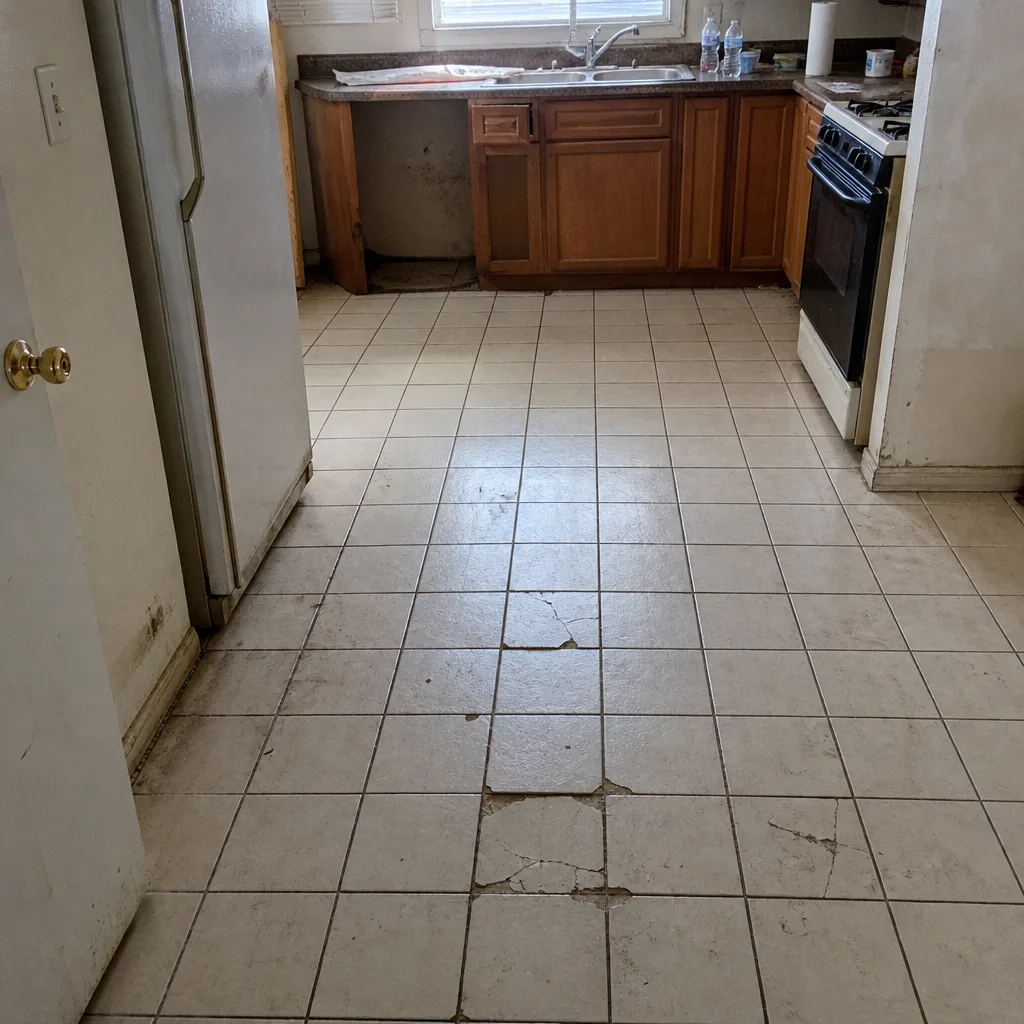 Before
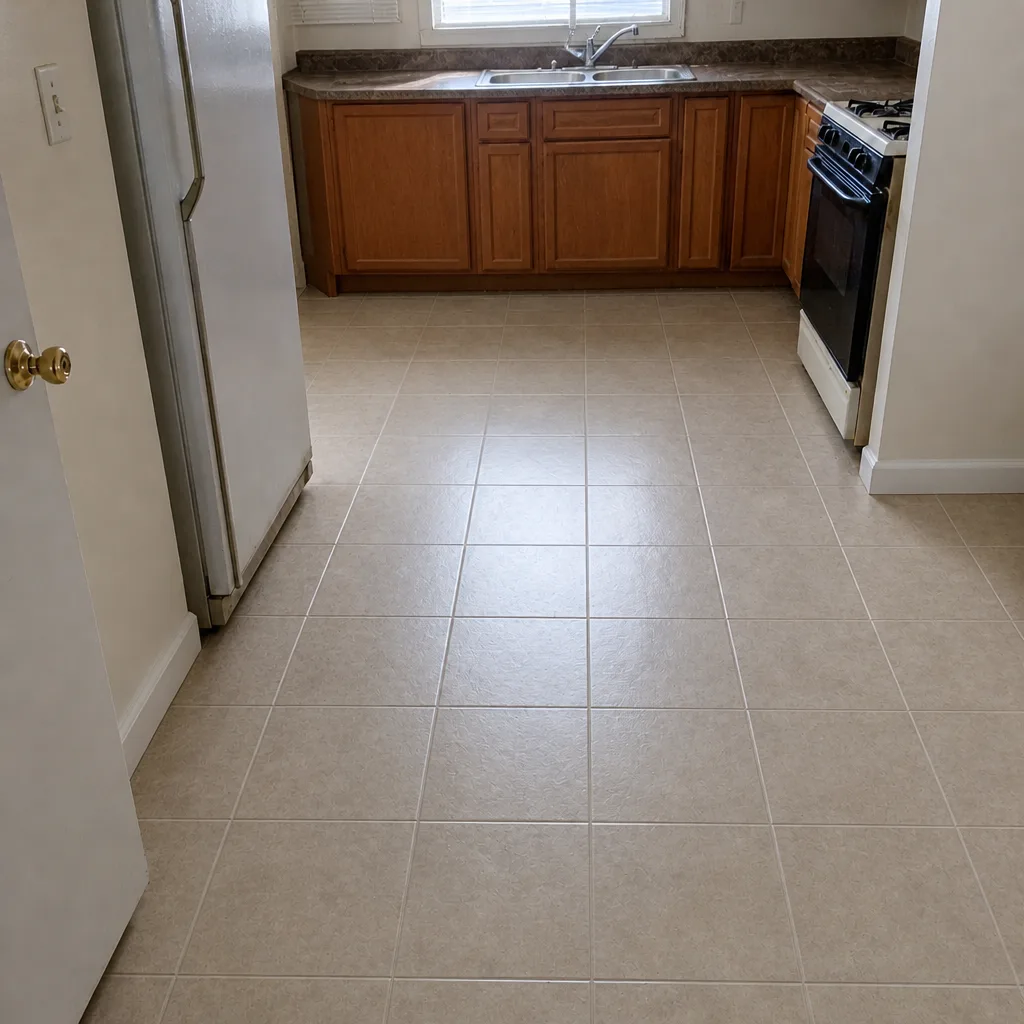 After
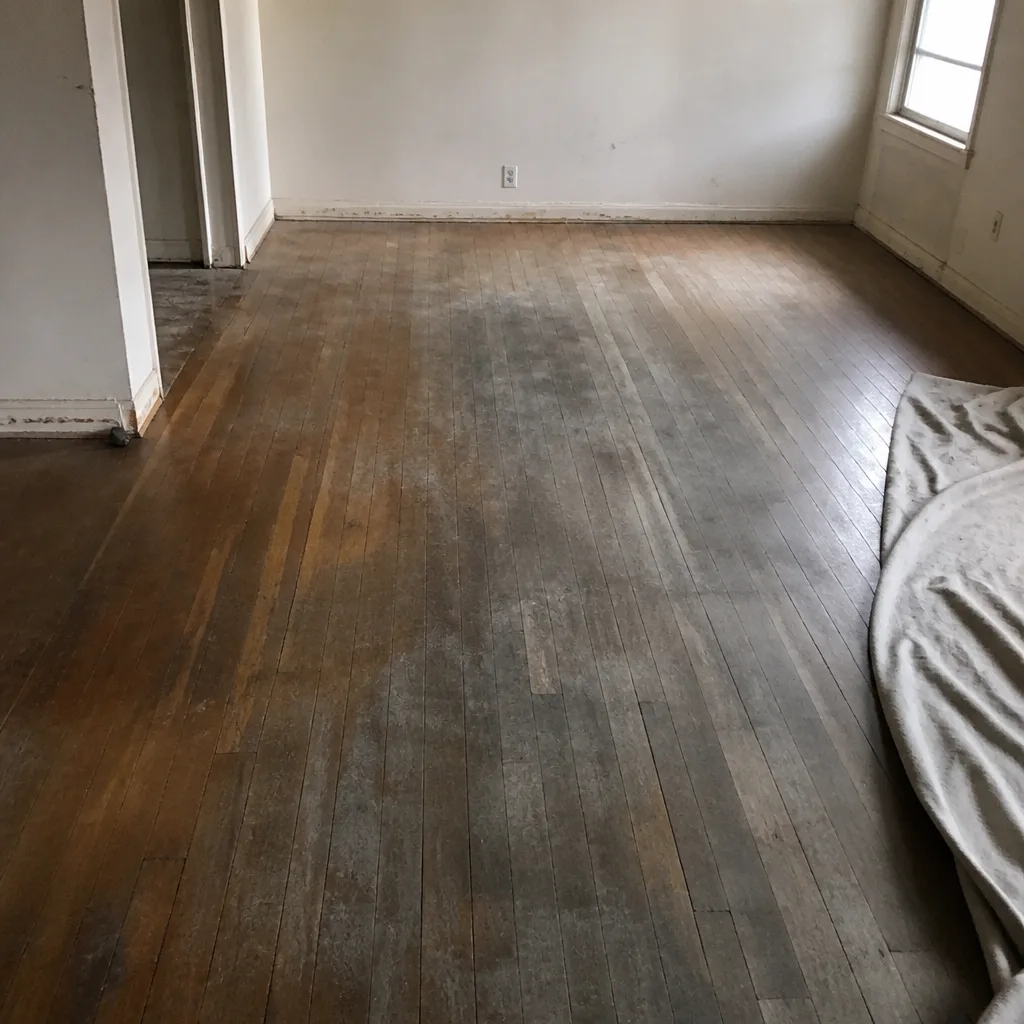 Before
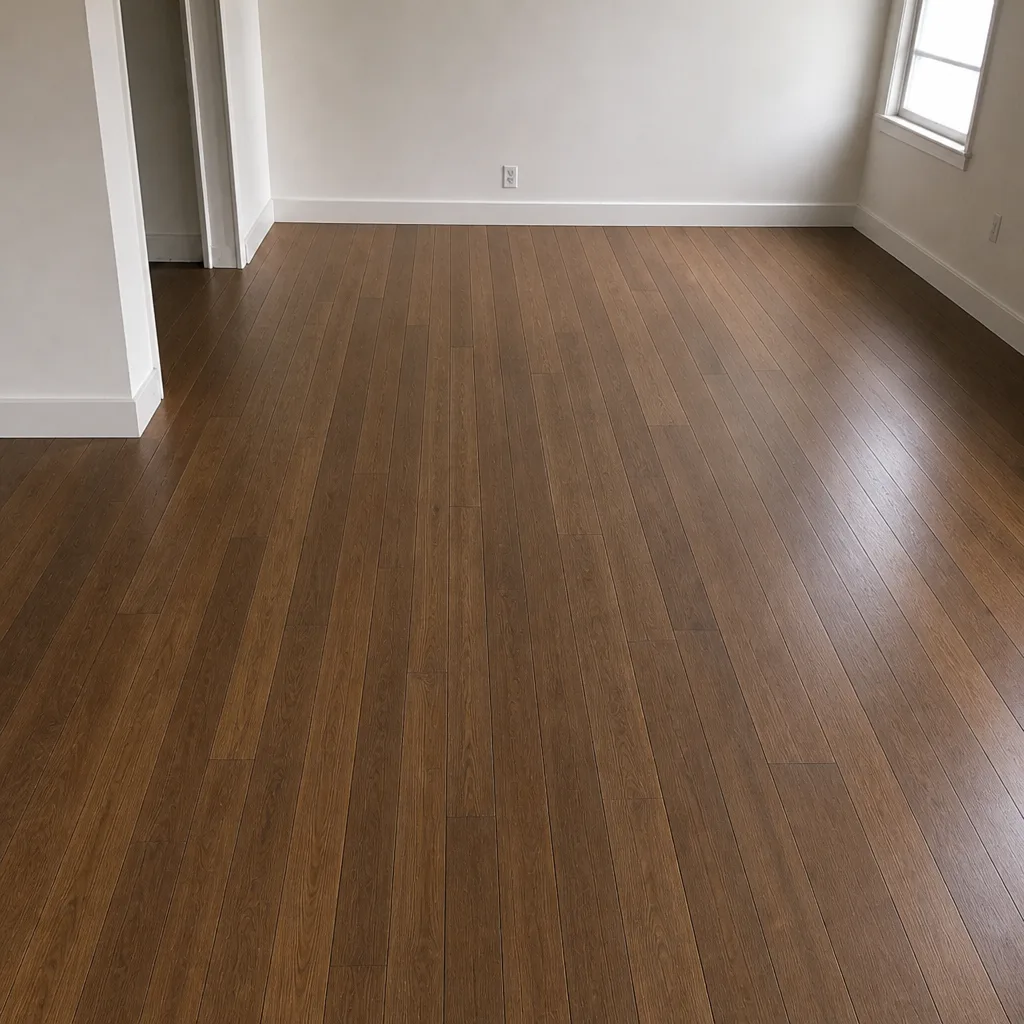 After
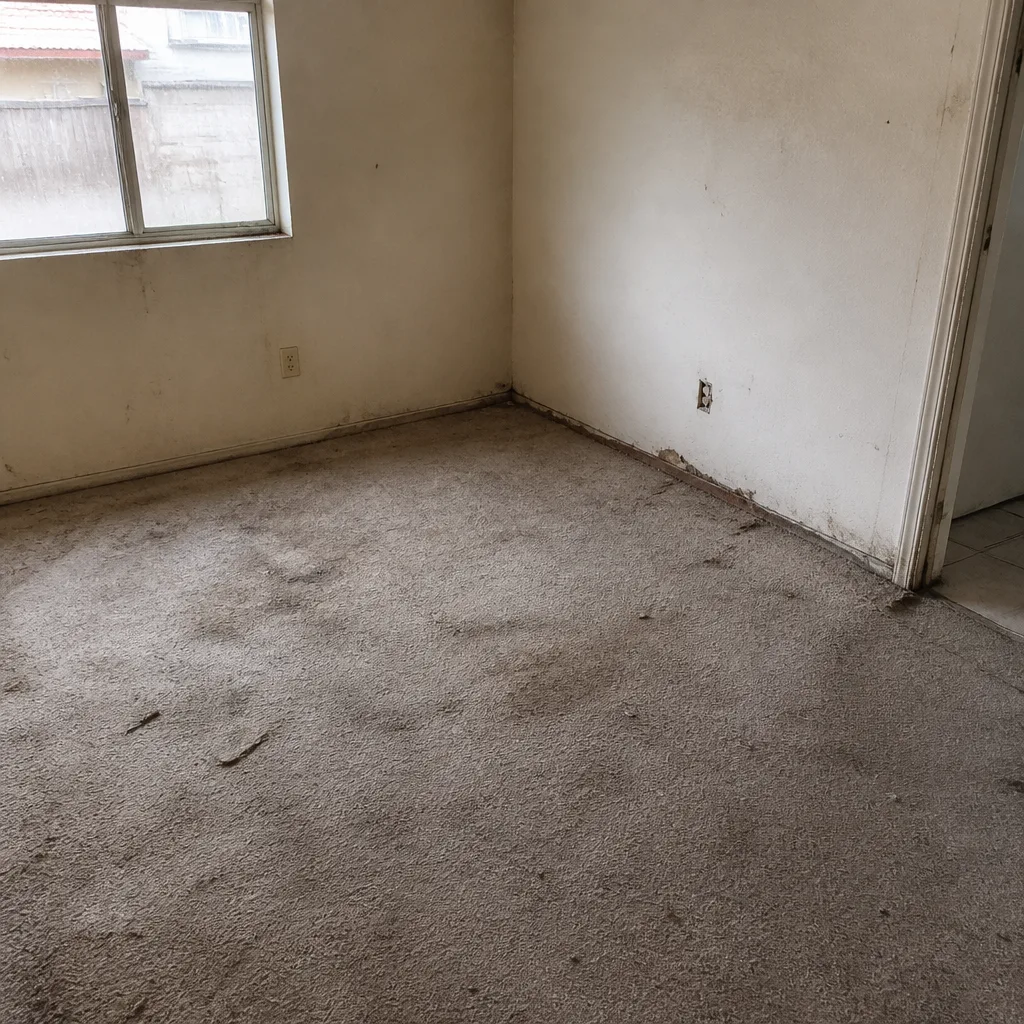 Before
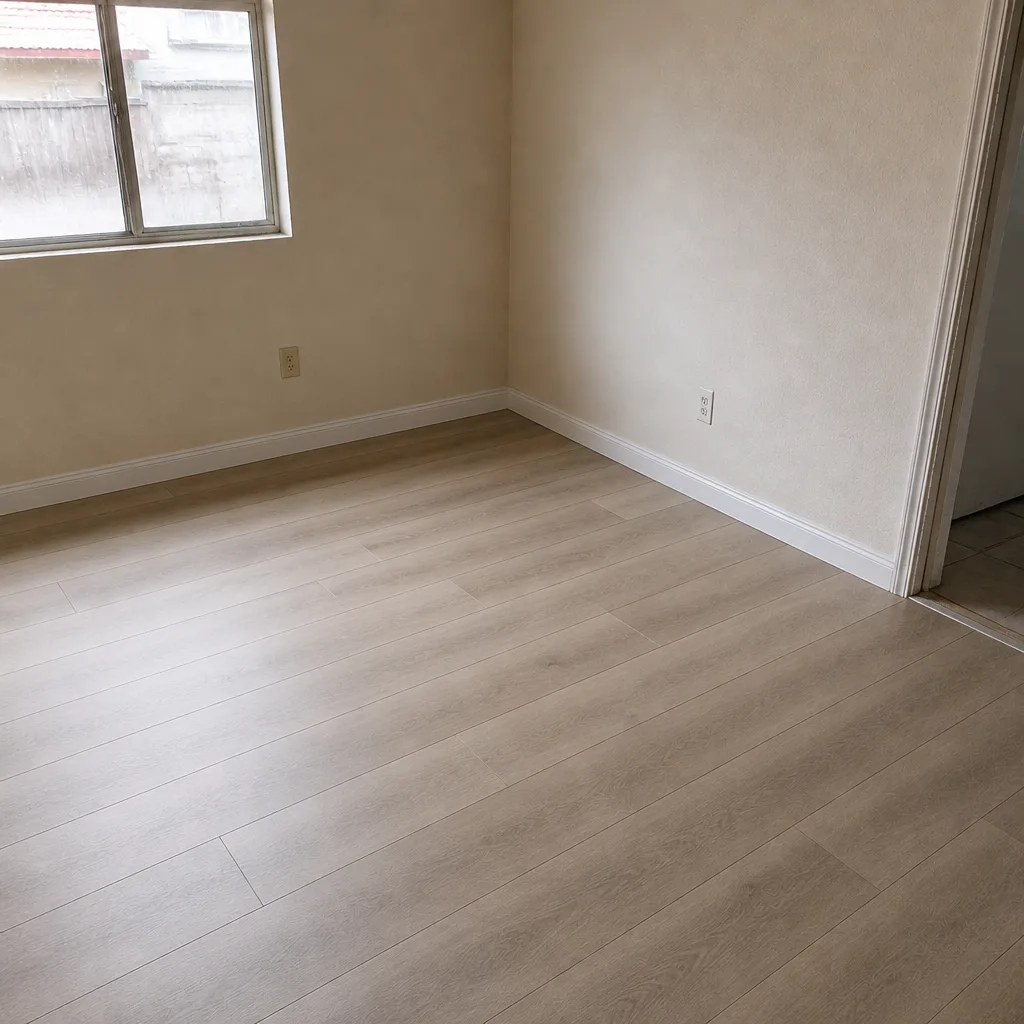 After
When to Call a Professional
Call a professional when the room is a wet zone, the slab is unfamiliar or uneven, or old flooring needs to come up before you can see what’s underneath. Call for a hard-surface install over a slab in a converted garage or patio. Call for a large-format porcelain job where grout layout and tile setting affect the entire room. Call for a refinish when your hardwood has worn finish but enough wood left to sand. Call for a laminate or plank install where the exterior door thresholds and appliance alcoves have to be sealed correctly against low-angle water. Flooring Installation North Las Vegas offers free estimates in North Las Vegas. Call (888) 515-5223. We answer 24/7. Fast dispatch from 7am to 7pm, Sunday through Friday.
Frequently Asked Questions
For most North Las Vegas slab homes with strong interior temperature swings, yes, LVP is more practical. It handles the daily 68°F to 85°F swing without gapping or cupping, and it resists surface water far better than solid wood. Hardwood is still the higher resale-value floor when the house has controlled temperature and humidified air. Call (888) 515-5223 for a free estimate and we’ll talk through your specific rooms.
Dry winter indoor air causes wood to shrink, and the gaps between planks open up. That’s normal wood behavior, not a manufacturing defect. Humidification in winter reduces it. The written estimate sets the product spec and the required humidity range. Call (888) 515-5223 to walk through whether a refinish or a switch to a more stable product makes sense.
Large-format porcelain tile is the best flooring for a bathroom in North Las Vegas. It takes standing water, it doesn’t care about the temperature swing, and it doesn’t have a core that swells at an edge. Water-resistant plank is a reasonable option in a well-prepped bathroom. Laminate is not the right choice in that room. Call (888) 515-5223 for a free estimate.
Usually yes, if there’s enough wood thickness left to sand through the existing finish. A floor that’s already thin or has serious water damage at a threshold might not be. We check the board at the free estimate. Call (888) 515-5223 and we’ll take a look at what your floor actually needs.
Laminate handles dry air better than solid wood, but its core swells at edges when low-angle water sits on a seam. Exterior door thresholds, appliance fronts and sink bases are where it fails. Seams and moisture-resistant underlayment cut that risk a lot. Call (888) 515-5223 for a free estimate and we’ll check the rooms with wet edge risk.
The schedule is set at the estimate. Tile and glued installs take longer than a floating plank because of setting, grout and cure time. The estimate includes the install window for your specific rooms and product. Call (888) 515-5223 for a free in-home estimate.
The Bottom Line
The right floor for a North Las Vegas home is chosen with three variables in order: subfloor, moisture exposure, temperature habits. In this climate, the slab is usually the whole story. Test it first, then rate every room for water, then account for how hard you run the AC. LVP is the practical default for most kitchens and pet-active rooms. Tile is the right answer in wet zones and where permanence matters. Laminate works where the wet edge risk is low and the budget is tight. Engineered, and sometimes solid, wood belongs in rooms you actually control for humidity. Refinishing is always worth checking before you replace. The right floor is the one that fits how you live, and that conversation is what a free estimate is for.
Call (888) 515-5223 to schedule your free in-home estimate. The estimate is free and the written price sets the final cost. We answer 24/7. Fast dispatch from 7am to 7pm, Sunday through Friday.
Written by the team at Flooring Installation North Las Vegas.