
Last updated November 18, 2026
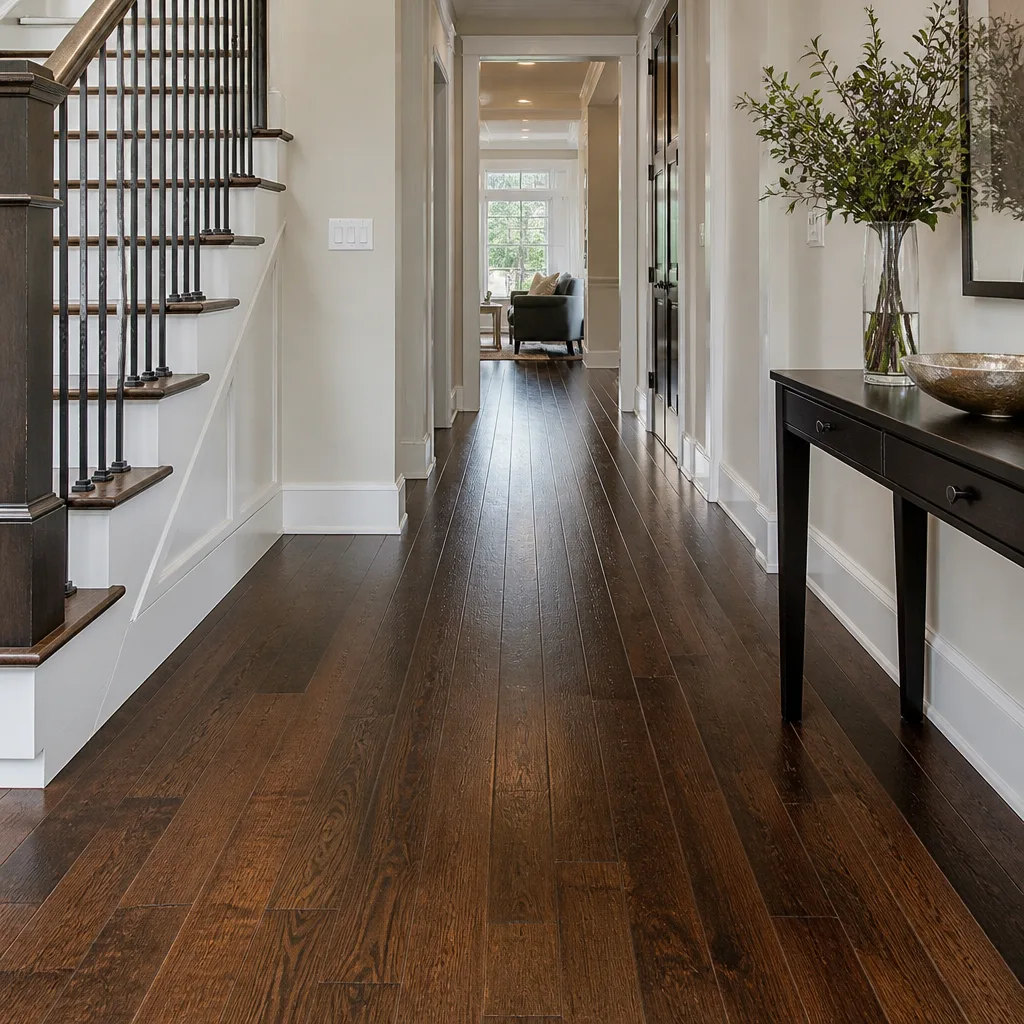 Hardwood
 Engineered hardwood
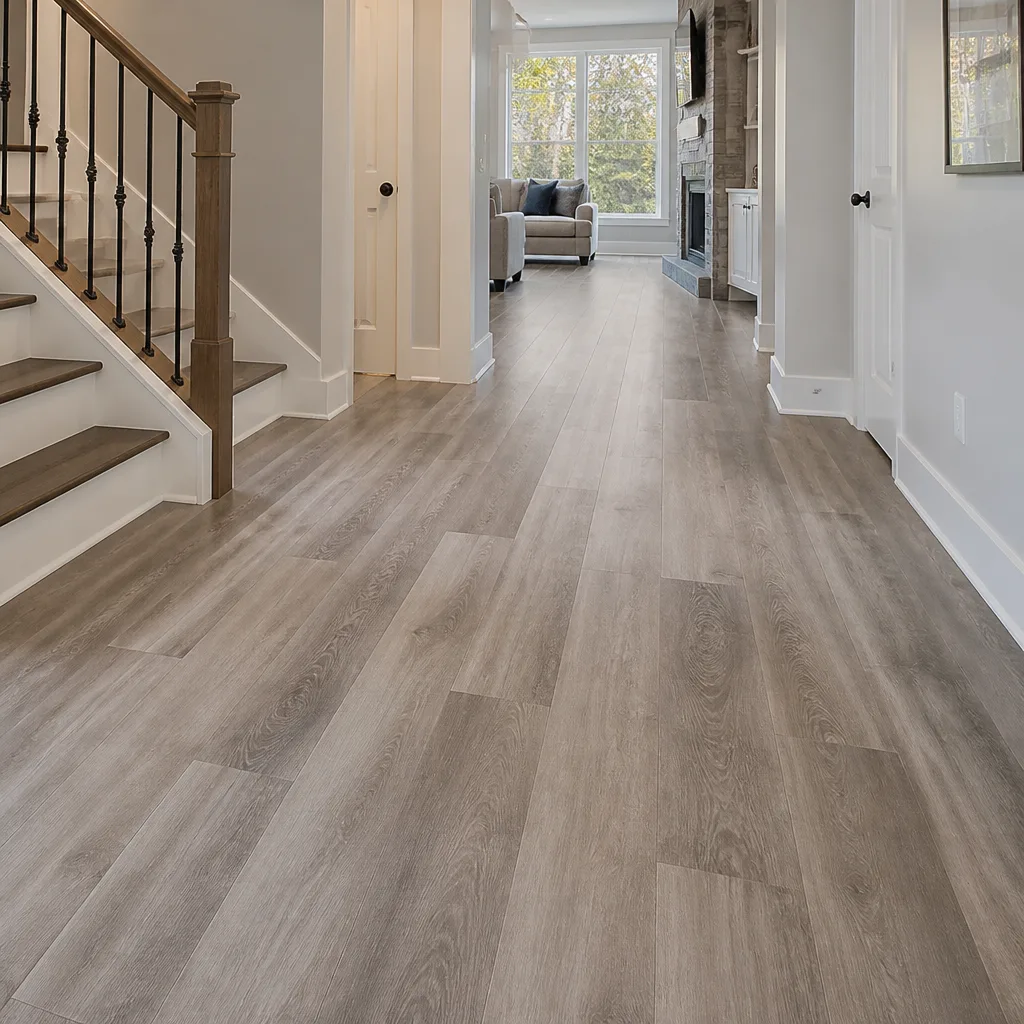 Luxury vinyl plank
 Laminate
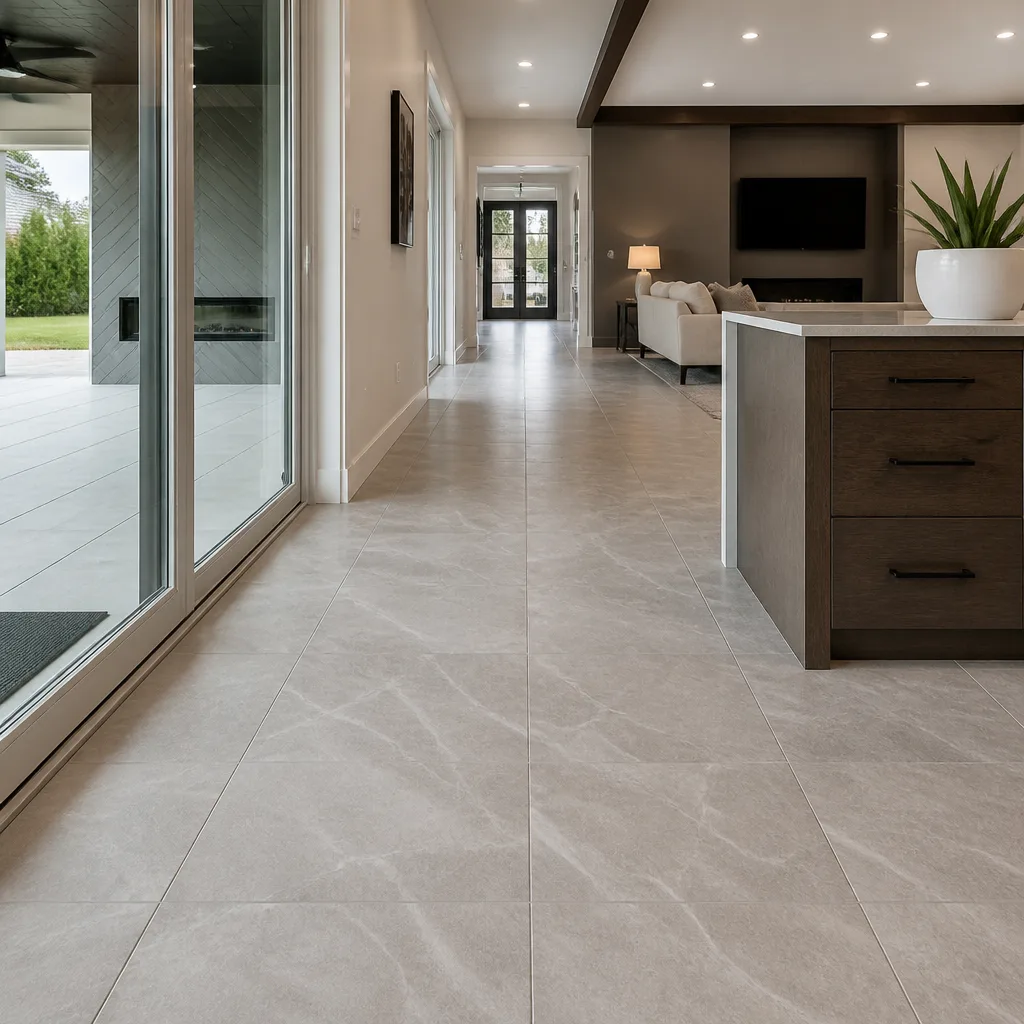 Porcelain tile
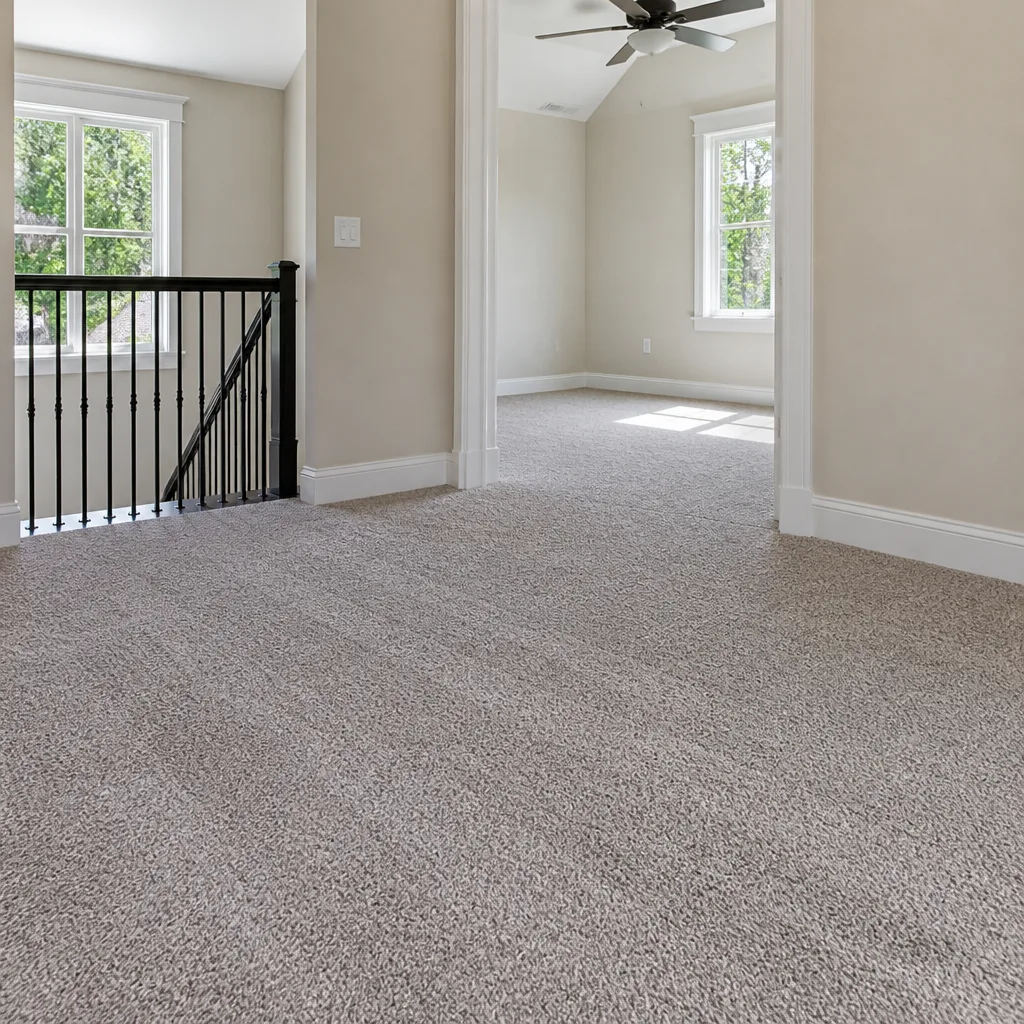 Carpet
 Shaw
 Mohawk
 COREtec
 Pergo
Free in-home measure and written estimate: Shaw, Mohawk, COREtec and Pergo lines compared on your own rooms, with carpet, tile, vinyl plank, laminate and hardwood laid out side by side
Get your free estimateHow to Prepare Your Home for a Flooring Installation in North Las Vegas
Here’s the part most homeowners get wrong: the installation itself is rarely what goes off schedule. What goes off schedule is everything around it. A room that isn’t fully cleared, a baseboard decision nobody made, a hallway blocked by furniture, a thermostat set to vacation mode – each one costs the crew time, and that time gets billed. Flooring crews work by the day, so a late start is a lost morning. Thirty minutes of prep the night before prevents hours of downtime on install day.
This guide walks through exactly what to do, room by room and product by product, with the details that matter in North Las Vegas specifically: dry desert air, acclimation timing, HVAC settings, and the small judgment calls that keep a job moving. You’ll finish knowing what to move, what to leave, what to decide in advance, and what to ask before the crew arrives.
Quick Answer
To prepare your home for a flooring installation in North Las Vegas, clear every room down to bare subfloor, remove or protect everything the crew can’t legally move (safes, pianos, aquariums), set your HVAC to normal occupancy temperature, and confirm your baseboard and door-casing plan before install day. Let the flooring acclimate inside the home for the period the product instructions specify – often 48 to 72 hours – and keep the house at normal living temperature the whole time. Decide early how pets and kids will be managed during adhesive cure windows.
Styles & brands we work with
- Hardwood
- Engineered hardwood
- Luxury vinyl plank
- Laminate
- Porcelain tile
- Carpet
- Shaw
- Mohawk
- COREtec
- Pergo
Table of Contents
- What “Clear the Room” Actually Means
- Acclimation Requirements by Product
- HVAC Protocol During Acclimation and Install
- Baseboards and Door Casings: Remove or Undercut?
- Pet and Child Logistics During Install
- Driveway to Install Area: Access and Parking
- Room-by-Room Prep Checklist
- What to Have Ready the Day Of
What “Clear the Room” Actually Means
“Clear the room” does not mean push the furniture to one side. It means the floor is empty, the walls are accessible, and nothing stands between the crew and the subfloor. Most installers will move small items out of the way, but they will not – and often cannot – move anything heavy enough to injure someone or damage the home.
Here’s the practical split:
- You or a mover handles: safes, upright and grand pianos, aquariums and their livestock, pool tables, large gun safes, heavy sectionals, washers and dryers, refrigerators, and anything bolted to the wall or floor.
- The crew typically handles: light furniture, area rugs, lamps, floor plants, and final sweep-up of the cleared area.
- You handle in advance: wall-mounted TVs, shelving, closet organizers, and anything on the walls that would break if a board leaned against it.
In our experience, the single most common delay is a safe or a piano left in a room because the homeowner assumed someone would move it. Aquariums are the second. Both need a plan days before install, not the morning of.
If your home is older, empty the closets completely, including the top shelves. A closet packed with boxes limits where the crew can set materials, and in a tight North Las Vegas tract home the closet is often the only staging space available.
Acclimation Requirements by Product
Acclimation means letting the flooring sit in your home at normal living conditions long enough to stabilize before install. Skip it, and the floor can gap, cup, or buckle after the job. Most product instructions call for 48 to 72 hours in the room where the floor will go, but the exact number depends on the specific product, so read the paperwork that comes with yours.
Here’s how acclimation tends to break down by material type:
- Carpet: minimal acclimation needed; carpet isn’t a rigid product and doesn’t move the way wood or vinyl does. The pad and tack strip don’t need a sitting period.
- Tile: ceramic and porcelain don’t acclimate in the way wood does, but the setting materials and the subfloor need to be at stable temperature. Check with your installer about the thinset and grout.
- Hardwood: the longest and most sensitive acclimation. Wood reacts to humidity and temperature, so it needs the full sitting period in the room, at normal occupancy conditions, before installation.
- Luxury vinyl plank and laminate (from brands like COREtec, LifeProof, Pergo, Shaw, Mohawk, and others): most manufacturers do require a sitting period in the home, and floating floors in particular need stable conditions during that window.
What North Las Vegas changes: the desert air is dry, and humidity that would slow acclimation in a coastal climate isn’t the variable here. The variable is temperature swings between a hot afternoon and a cool night, especially in rooms with large west-facing windows. A floor sitting in a sunbaked room acclimates to the wrong condition and then reacts once the HVAC brings the room back to normal. Keep the product out of direct sun and off the hot side of the room during the sitting period.
HVAC Protocol During Acclimation and Install
Set the thermostat to the temperature your family actually lives at. Not construction heat, not vacation mode, not an open-window breeze. The home should be at normal occupancy temperature for the entire acclimation period and throughout the install.
Why this matters: floating floors – the ones that click and lock together – depend on a stable environment to stay flat and tight. If the home is 95 degrees during acclimation and 72 during install, the material shrinks or swells after the seam has been closed. Same problem in reverse. You get peaking at the seams, gaps at the ends of a run, or a floor that feels loose underfoot within a season.
A few HVAC specifics for install day in North Las Vegas:
- Set the thermostat two days before install and leave it alone. Don’t adjust it for the crew’s comfort.
- Confirm the HVAC system is working and the unit isn’t cycling off. A failed AC in August during a hardwood install is a real problem.
- If the home is vacant, run the system anyway. Vacancy settings and shutoff systems are the single biggest cause of post-install gapping in this climate.
- Keep doors and windows closed. Cross-drafts change the room’s conditions faster than the HVAC can correct them.
For hardwood refinishing, HVAC control matters just as much. Finishes that cure in the wrong temperature don’t perform the way they should, and dust control becomes harder when the system is cycling hard. Plan refinishing for a week when the home’s climate can stay steady.
Baseboards and Door Casings: Remove or Undercut?
Installers have two standard ways to handle the trim at the wall: remove and reinstall, or undercut and slide. Neither is “wrong.” They cost different amounts and produce a slightly different finish, and you should make the call before the crew arrives.
Remove and reinstall means the baseboards come off the wall, the new floor goes in against the wall, and the baseboards go back on top. This produces the cleanest finish with no visible gap at the bottom of the trim. It also means possible nail-hole touch-ups and repainting where the old baseboard left a mark. Not every trim piece survives the removal intact; older baseboards sometimes split.
Undercut and slide means the crew cuts the bottom of the door casing and baseboard so the new floor slides underneath. This is faster and avoids repainting. It also leaves the baseboard height untouched, which is fine in a room where the new floor is close to the thickness of the old one and noticeable where the new floor sits lower.
How to decide:
- If your baseboards are painted and in good shape, undercutting is usually the lower-disruption choice.
- If you’re changing floor thickness significantly, or the baseboards are old and due for repainting anyway, remove and reinstall gives a cleaner result.
- If your home has the builder-grade trim common in many North Las Vegas developments, remember that the trim may not survive removal intact. Ask your installer about this at the estimate.
- Either way, tell the crew which option you’ve chosen in advance so they can schedule the time.
Pet and Child Logistics During Install
Plan where pets and kids will be during the install days before you get the schedule. A locked-off room helps, but so does a plan that accounts for noise, dust, and the open doorway that runs out to the driveway.
The two variables to plan around are adhesive cure time and the period before the floor can bear weight. Both depend on the product and installation method:
- Adhesive-set products (many tile and glue-down installations): the adhesive needs time to set before foot traffic, and longer before heavy furniture. Each product’s instructions state the window, and the written estimate will confirm it. Fresh adhesive is not the moment for a curious dog to test the edge.
- Floating floors (many vinyl plank and laminate installations): the floor can typically take light foot traffic sooner than a glue-down, but heavy furniture still has to wait, and the floor should be protected during any remaining work.
- Carpet: generally walkable quickly after installation, though stretching and trimming should be finished first.
Practical moves: board pets at a facility or with a neighbor during adhesive installs, close off the work zone with a temporary barrier, and keep kids out of the work area until the crew says it’s safe. A baby gate across a hallway is a simple and reliable barrier. Plan the same way for finished wood refinishing, which needs careful handling while finishes cure.
If your pet is used to having the run of the house, start shifting their routine to the closed-off area a day before install. A dog that’s already comfortable in the safe zone is less likely to nose under a door during the day.
If you’re still choosing between finished flooring types, the moisture-prone rooms (kitchens, bathrooms, laundry) are worth a separate conversation. See our guide to carpet installation for soft-surface rooms and our tile flooring installation page for hard-surface wet areas.
Driveway to Install Area: Access, Parking, and Damage Prevention
The crew carries materials from the vehicle to the room. That path matters, and it’s a common blind spot. Make sure it’s clear, lit, and as short as possible.
- Clear the driveway and the sidewalk of cars, trash bins, toys, and bicycles.
- Remove rugs and runners in the entry where the crew will come in, or mark them so they don’t become a trip hazard.
- Move anything breakable or expensive out of the entry hallway – vases, mirrors, framed art leaning against walls.
- Confirm door hardware works on the path in. A sticking gate or stuck deadbolt costs the crew time on the first trip and every one after.
- If your home has an HOA that restricts parking on the street, give the crew the plan for the driveway before arrival.
Protect the path with a plastic runner or damp-proof matting, especially in older homes where the carpet is already faded or the entry tile is chipped. Most crews will lay protection down, but you’ll both have a smoother day if the route is clear from the start.
The flooring crew will need a place to set down materials and tools. In a small North Las Vegas home, the garage or a covered patio is the obvious choice. Clear it before the install so the crew isn’t shifting your boxes to make room.
Room-by-Room Prep Checklist
Here’s a prep plan by room, ordered so that the highest-traffic areas get the earliest attention.
Kitchen
- Empty the lower cabinets if the plan includes flooring under the appliance runs; move the appliances out to the garage.
- Clear the floor completely – no mats, no pet bowls, no trash bin.
- Unplug and move the refrigerator, then protect the doorway.
Bathrooms
- Remove everything from the room that isn’t bolted down: towels, bath mats, shower curtains, freestanding shelving.
- Empty the medicine cabinet if the walls will be impacted during tile-set or trim work.
- Confirm the toilet plan with the installer. Toilets sometimes need to come off and reset for tile. That’s a separate plumber decision.
Bedrooms
- Empty all furniture, including the mattress and box spring.
- Take down wall art and mirrors.
- Clear the closet fully, not just the floor.
Hallways and Stairs
- Remove wall-mounted frames and anything within reach of a board lean.
- For stair work, keep a usable route through the house. Ask the crew which stairs will be off-limits and for how long.
Living areas
- Remove the TV and its mounting bracket from the wall if it’s in the work zone.
- Move the large sectional or unbolt and remove what the crew can’t handle.
- Roll area rugs and get them out of the room entirely; they become trip hazards and staging noise.
Write out your room-by-room plan and confirm it with the installer before install day. Our team can walk through it with you on-site. For a broader picture of how the install itself is set up, see Flooring Installation North Las Vegas, and if you want to see how scheduling and service area work, look at our North Las Vegas page.
What to Have Ready the Day Of
On install day, here’s what the crew will look for. Having these ready saves real time.
- Parking space cleared and path to the entry open.
- Rooms completely emptied and swept.
- HVAC on and stable for at least 48 hours.
- A copy of the product paperwork – acclimation noted, warranty information, and any subfloor instructions.
- Financial and scheduling paperwork ready for the crew lead.
- A clearing space in the garage or covered area for materials and tools.
- A working phone number where you can be reached during the day.
- A plan for the pets and kids through the full install window.
If a decision comes up during the install – a subfloor issue the estimate didn’t catch, an undercut versus removal question that turns out to be ambiguous – the crew lead will call you. Have a number they can reach you on. A quick decision keeps the day moving.
Common Mistakes to Avoid
- Leaving the safe or piano in the room. Moving crews are cheaper than a flooring delay. Book them before install day, not on the morning of.
- Keeping the HVAC on vacation settings. In North Las Vegas, running an empty house at 90 degrees during acclimation and then turning the system down on install day is the classic recipe for seam gaps in floating floors.
- Acclimating in the garage. The garage is a different climate than the house. Acclimation happens in the room where the floor will be installed, at normal living conditions.
- Not deciding baseboards in advance. The remove-and-reinstall versus undercut-and-slide decision affects the schedule and the finish. Settle it before the crew arrives.
- Skipping the closet. A closet full of boxes has to go somewhere. Empty it on prep day, not on install day.
- Forgetting the path. A blocked driveway or a stuck gate costs time every trip. Clear the route and test the hardware.
- Letting pets have the run of the house on adhesive day. Confirm the cure window in the product paperwork and keep them out until it’s passed.
If you’re mid-decision on which product to install, it’s worth talking through how a floor fits your room and your household before you’ve cleared everything. Our team works with Shaw, Mohawk, COREtec, Pergo, LifeProof, Mannington, Armstrong, Daltile, and Karndean, and we can help you match the product to the room’s moisture profile, traffic, and your timeline. A short conversation at the estimate saves a bigger one after the floor goes down.
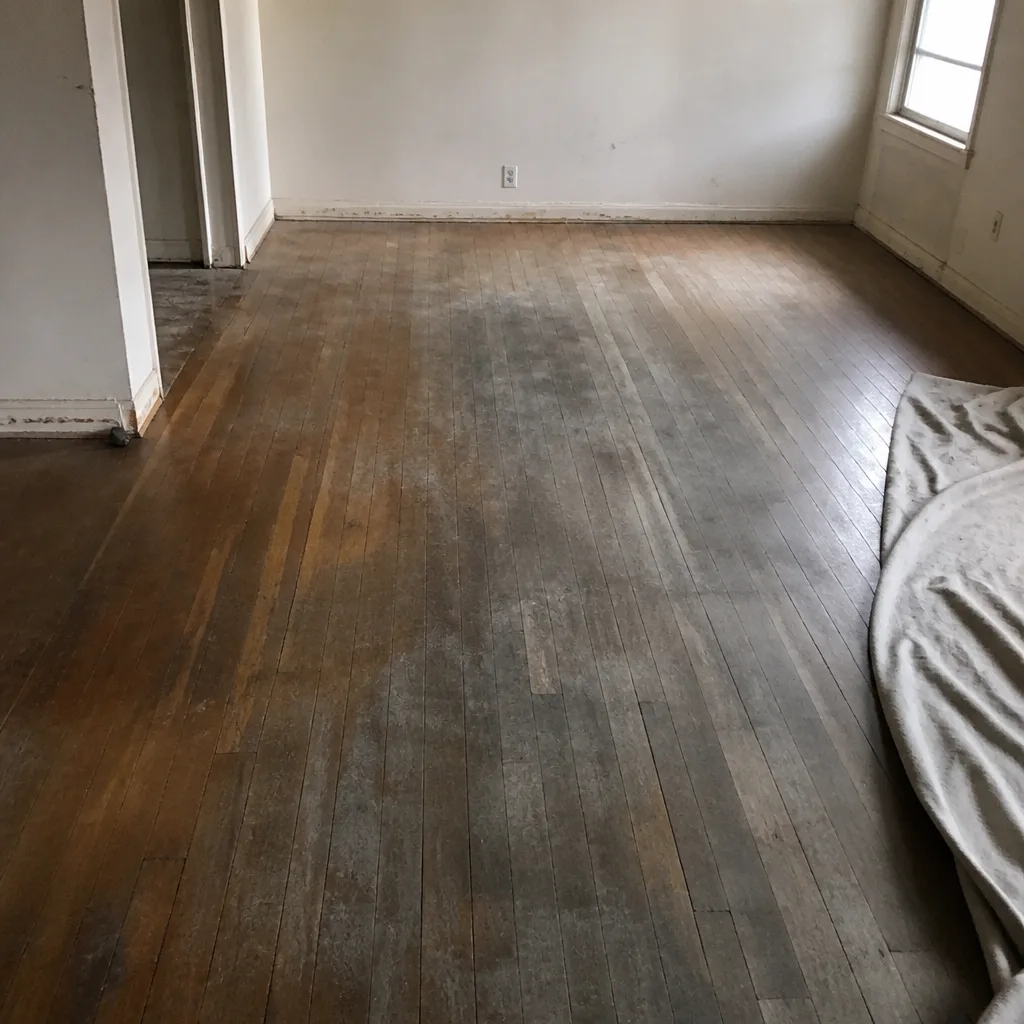
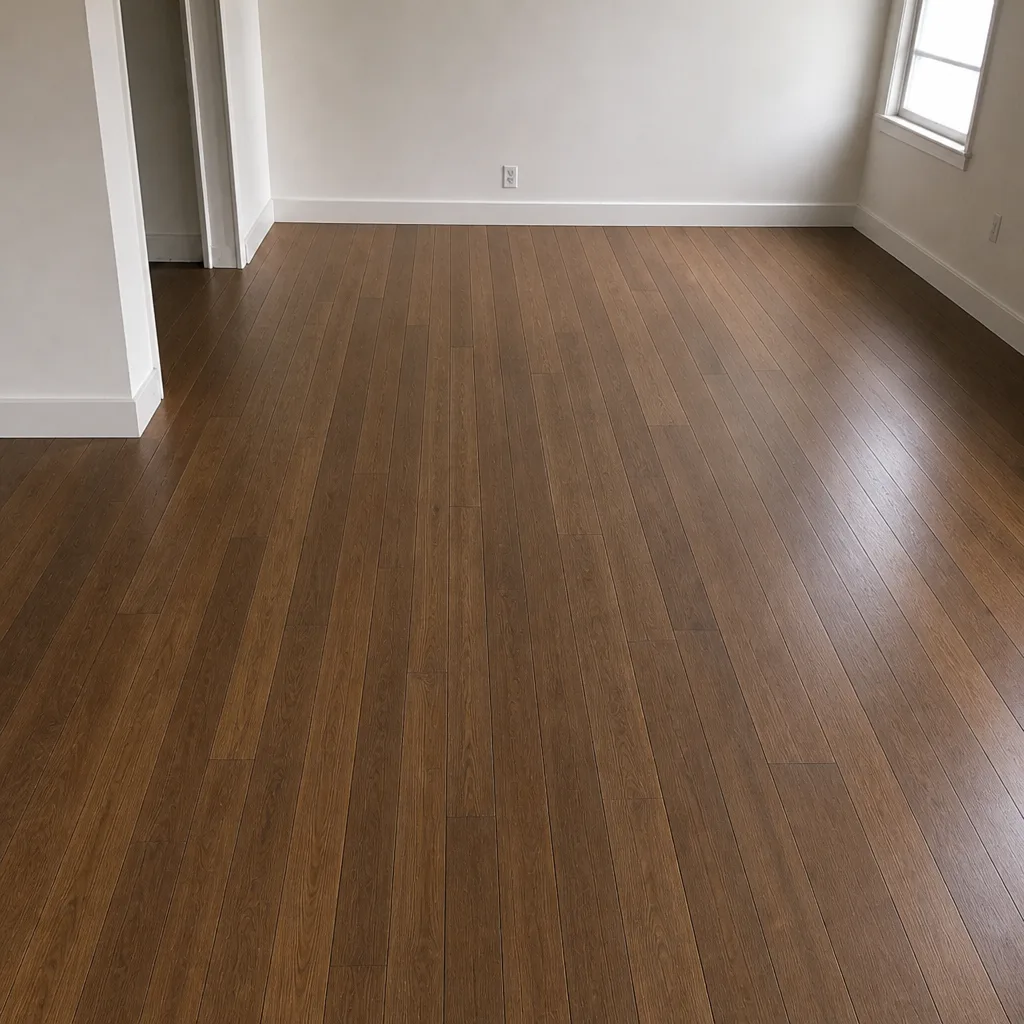
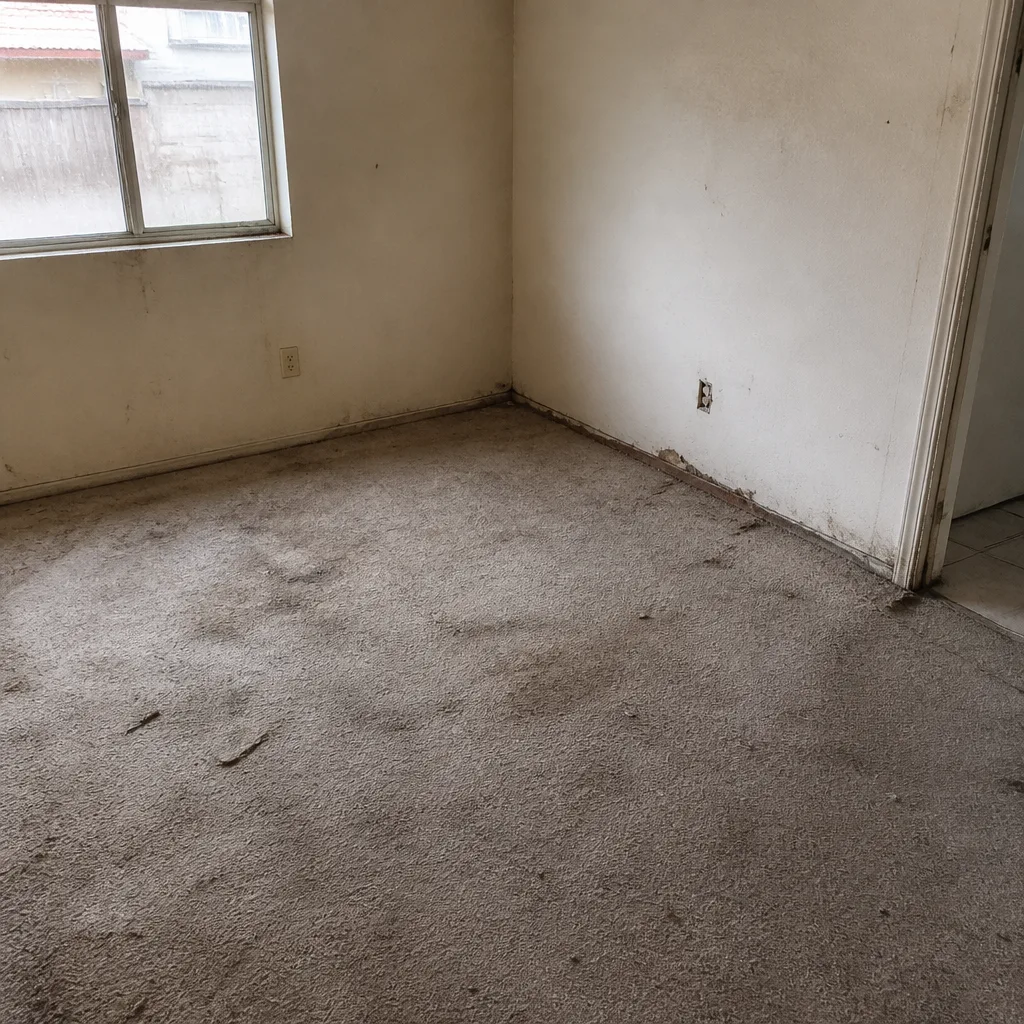
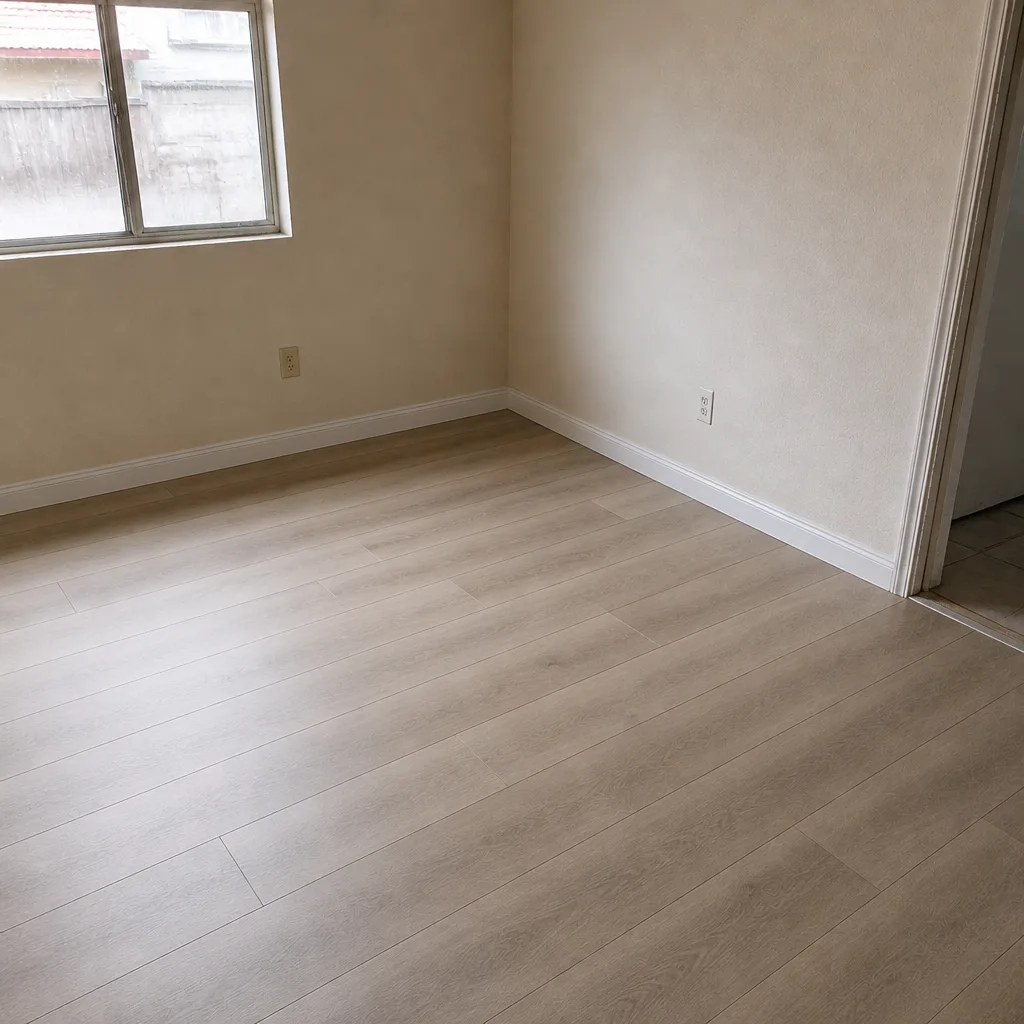
See the difference
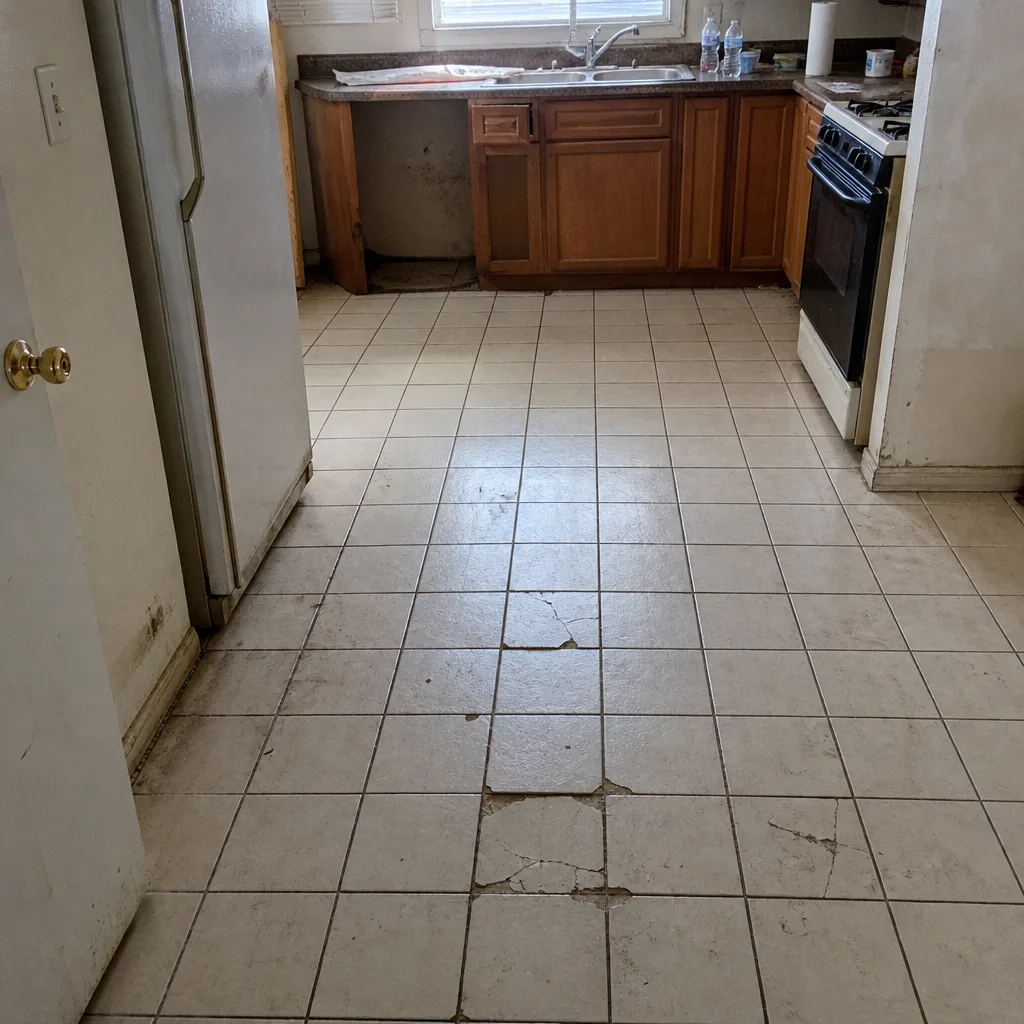 Before
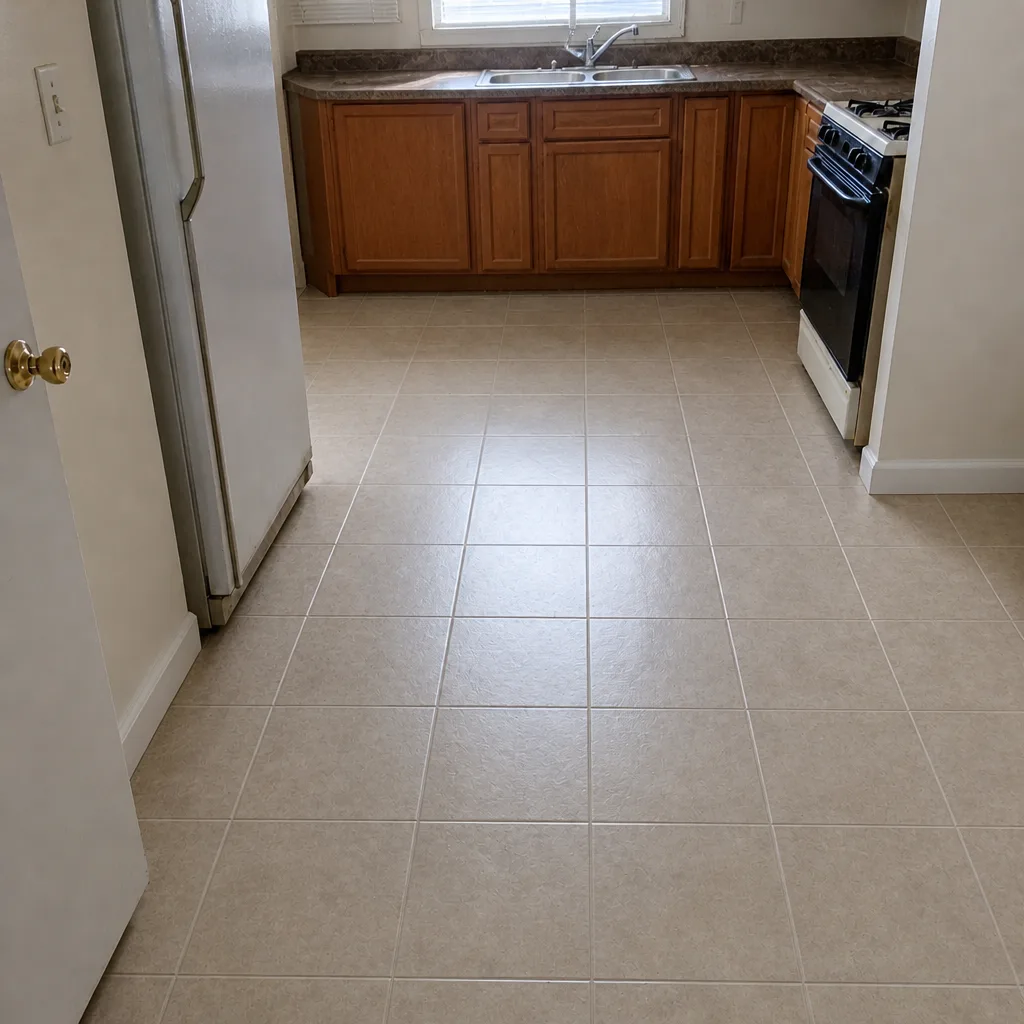 After
 Before
 After
 Before
 After
When to Call a Professional
Some prep work is homeowner work. The install itself isn’t. Call a professional when:
- The room has a subfloor issue you can feel or see – a bounce, a settle, a crack, a hump in the middle.
- The existing floor is glued or nailed down and you’re not sure what’s under it. Removal method matters, and a wrong guess damages the subfloor.
- The floor is over a slab and moisture is a concern. Slab moisture is a real variable in the desert and worth testing.
- You have stairs, a hallway with multiple rooms, or a layout where transitions between flooring types will be visible.
- Your hardwood is in good condition and could be refinished instead of replaced. That’s worth a conversation before any tear-out.
Flooring Installation North Las Vegas offers free estimates in North Las Vegas. Call (888) 515-5223. We answer 24/7. Fast dispatch from 7am to 7pm, Sunday through Friday. Our technicians have up to 12 years of experience, and the written estimate sets the final price.
Frequently Asked Questions
Plan on a full day of homeowner prep before install day, plus the acclimation period the product instructions specify. The biggest prep items are clearing the rooms, moving anything the crew can’t legally move, and confirming the baseboard plan. If you’re hiring movers for a safe, piano, or aquarium, book them at least a week ahead. Call (888) 515-5223 for an exact quote – estimates are free.
Not automatically. Dry air isn’t the variable that shortens or lengthens most acclimation periods; the product instructions are. What dry desert air does change is how quickly the room itself swings between hot and cool, especially next to west-facing windows. Keep the product out of direct sun and at normal living temperature, and follow the product’s stated acclimation window. Call (888) 515-5223 if you’d like us to confirm the requirement for a specific product.
Usually only the light items. Most crews will shift a lamp, a chair, or a small rug, but not safe-sized or piano-sized things, and not aquariums. Plan on clearing the room yourself or hiring movers for anything heavy. That conversation happens before install day, not on it. Call (888) 515-5223 to talk through what your room needs.
It depends on the product and the installation method. Floating floors usually take light foot traffic sooner than glue-down installs, and carpet is generally walkable soon after stretching. Heavy furniture waits longer than feet in every case. The product instructions and the written estimate set the exact window. Call (888) 515-5223 for an exact quote – estimates are free.
Removing and reinstalling baseboards gives the cleanest finish, especially when the new floor is a different thickness than the old one, but it means possible nail-hole touch-ups and repainting. Undercutting and sliding the new floor under the trim is faster and avoids repainting but leaves the trim height untouched. In North Las Vegas homes with builder-grade trim, ask the installer which is more likely to survive removal intact. Call (888) 515-5223 for an exact quote – estimates are free.
Most installs happen in occupied homes, and the schedule is set at the estimate. Plan to be home or reachable during install days, and make sure the work zone and path are cleared. If a room can’t be completely cleared, tell the crew lead at the estimate so the schedule reflects it. Call (888) 515-5223 to schedule your free estimate.
The Bottom Line
Prep is the part of a flooring installation you actually control. Clear the rooms completely, hire movers for safes, pianos, and aquariums, and decide baseboards and door casings before the crew arrives. Set the HVAC to normal living temperature at least two days before install and leave it there – that’s the single most important environmental move in North Las Vegas’s dry climate. Acclimate the product in the room, at the temperature and window the product instructions specify. Then keep the driveway, the entry, and the route to the work area clear, and give the crew a working number for the day. Do those things and the install runs on its schedule, not on a series of problems the day revealed. If you’re ready to move from prep to decision, our team can walk your home, talk through the material fit, and put a written estimate in your hands.
Ready for a free estimate? Call (888) 515-5223. We answer 24/7. Fast dispatch from 7am to 7pm, Sunday through Friday. We’re closed on Saturday.
Written by the team at Flooring Installation North Las Vegas.