
Last updated November 18, 2026
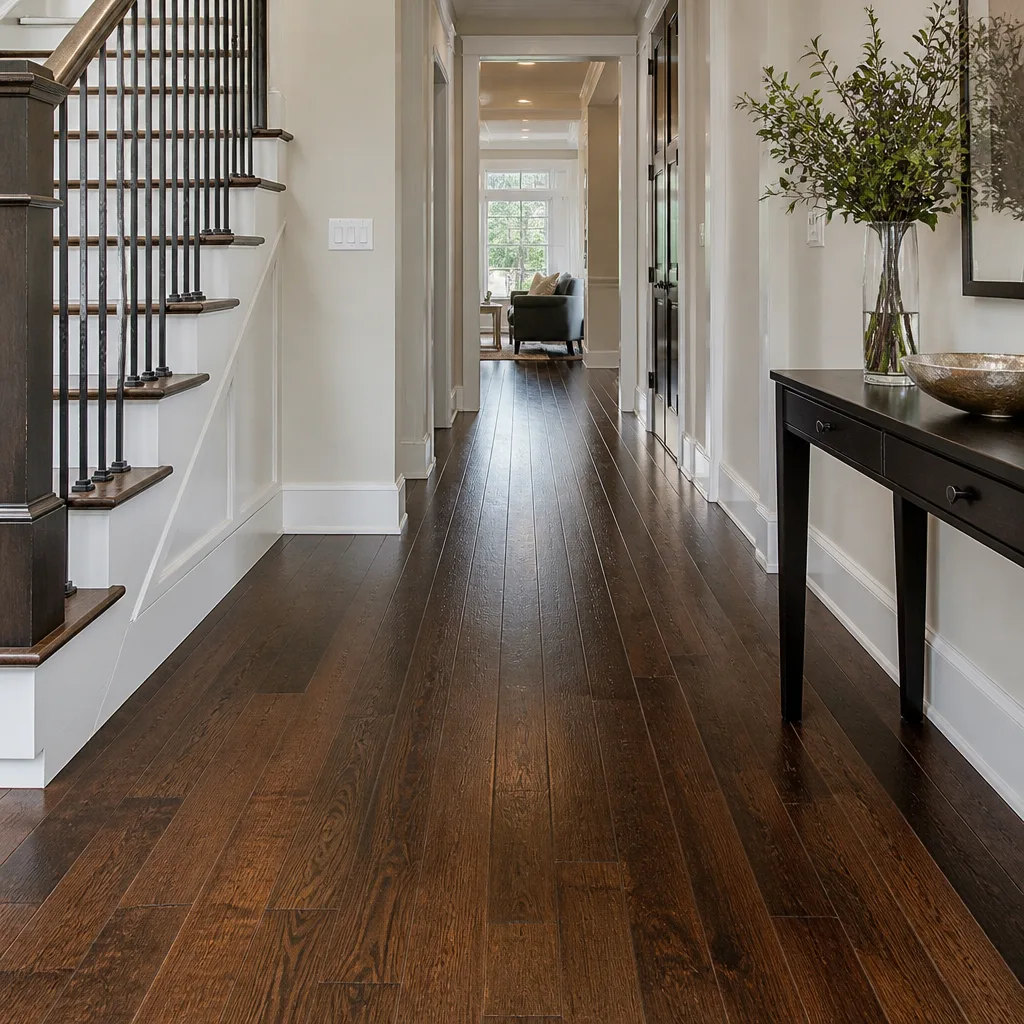 Hardwood
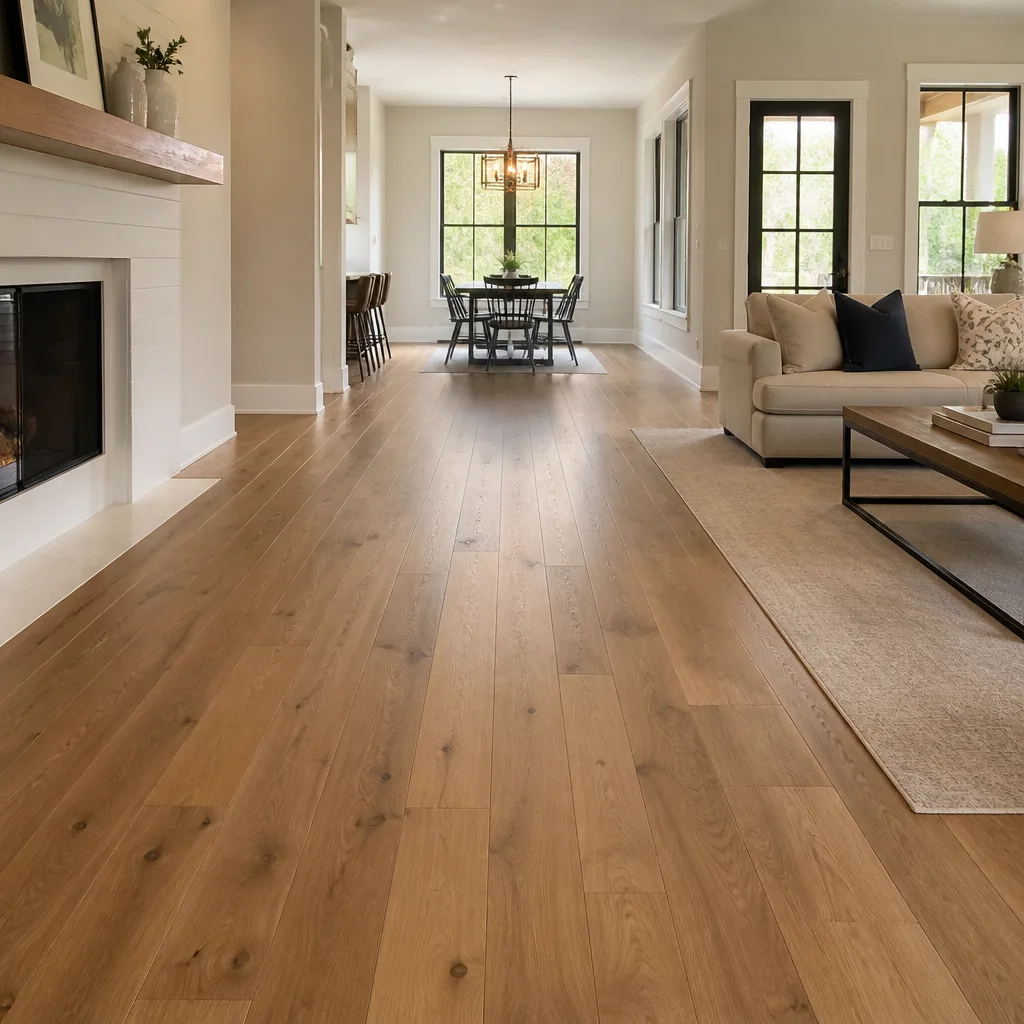 Engineered hardwood
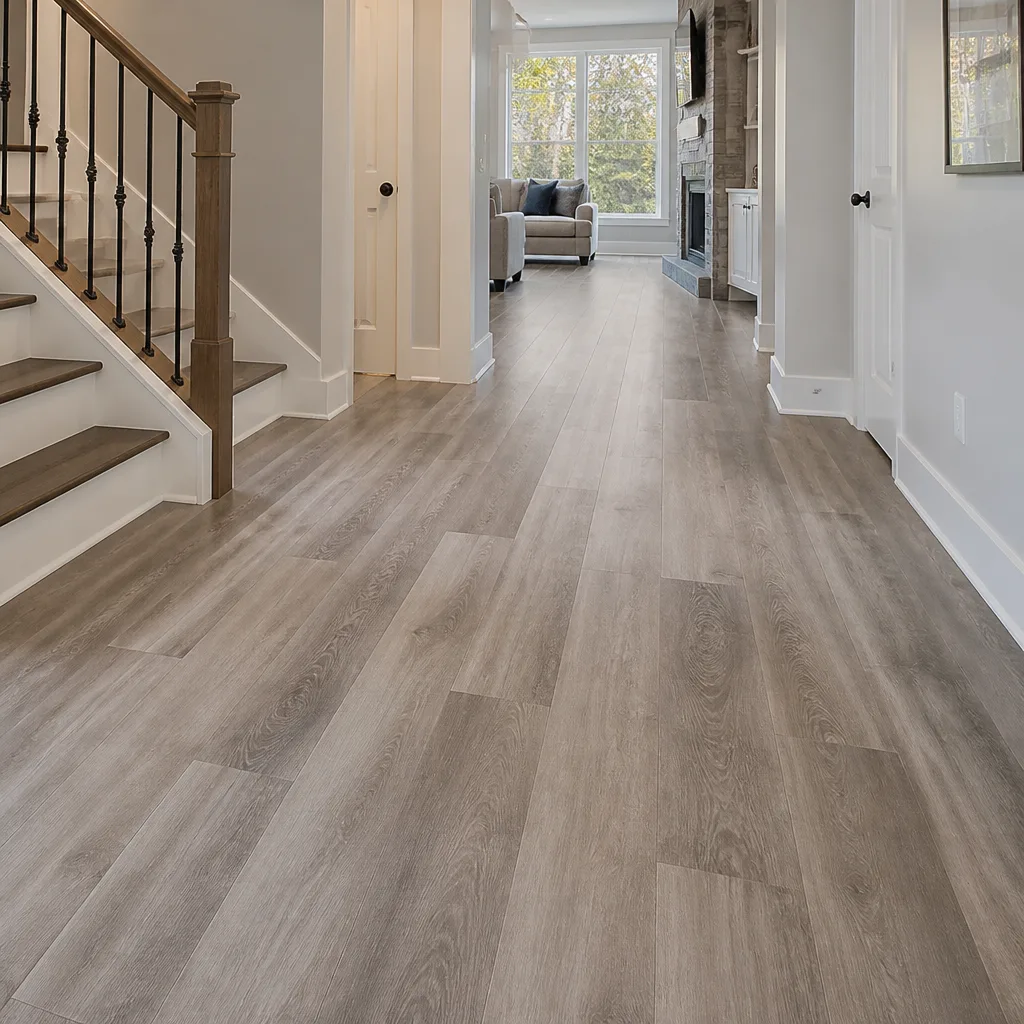 Luxury vinyl plank
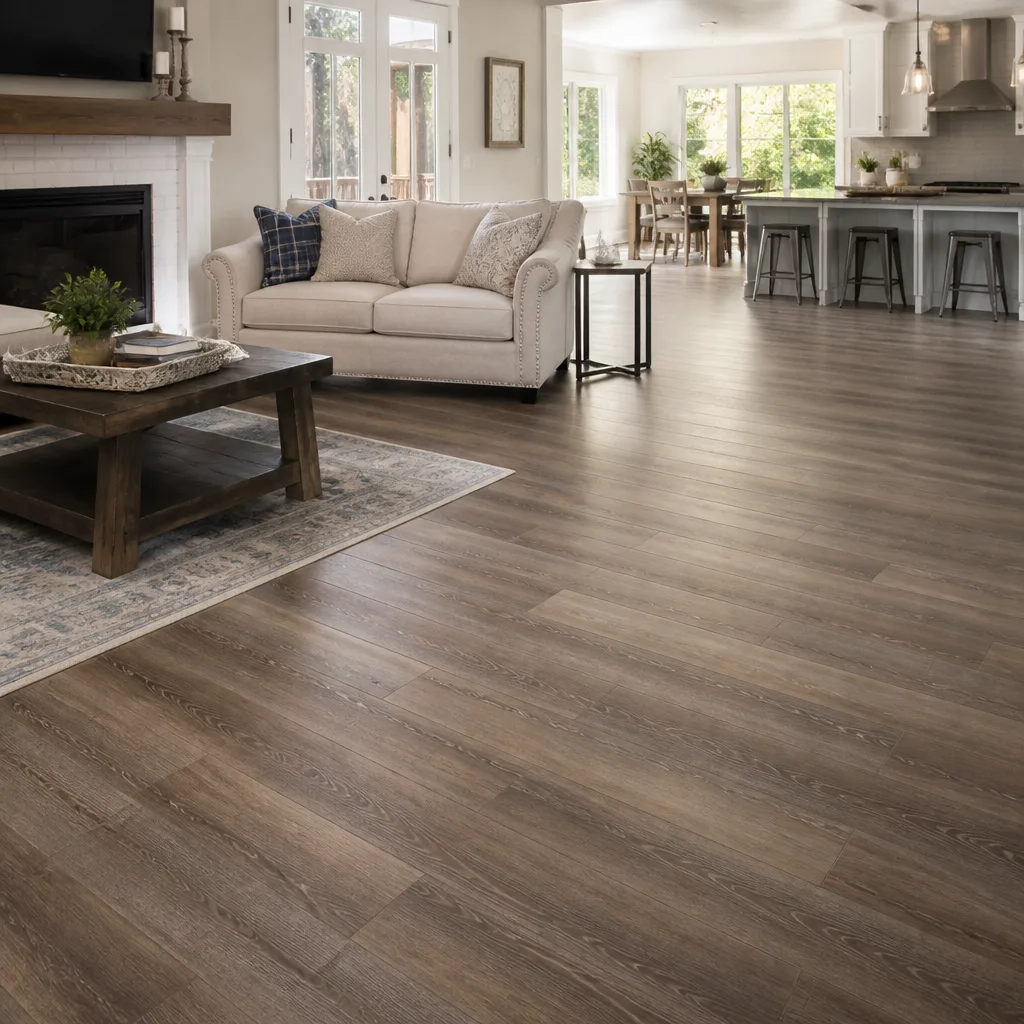 Laminate
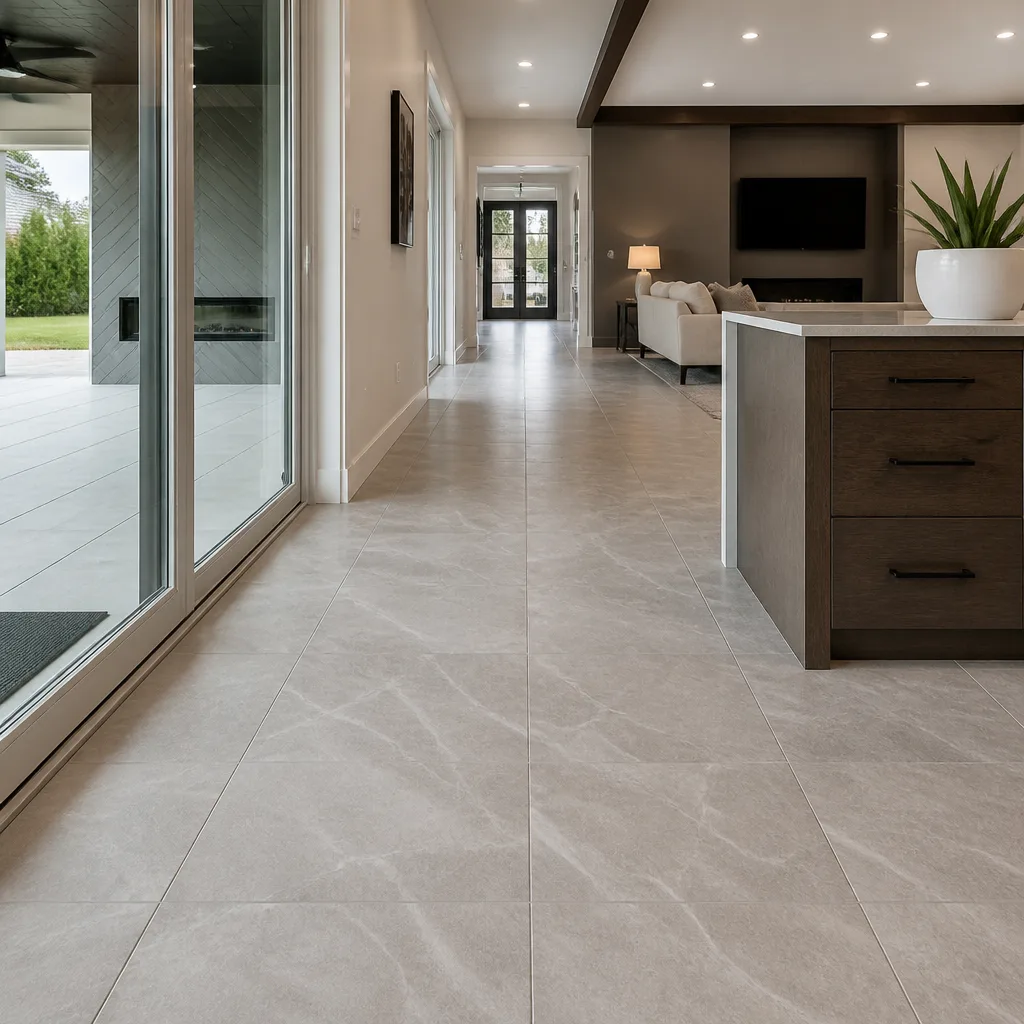 Porcelain tile
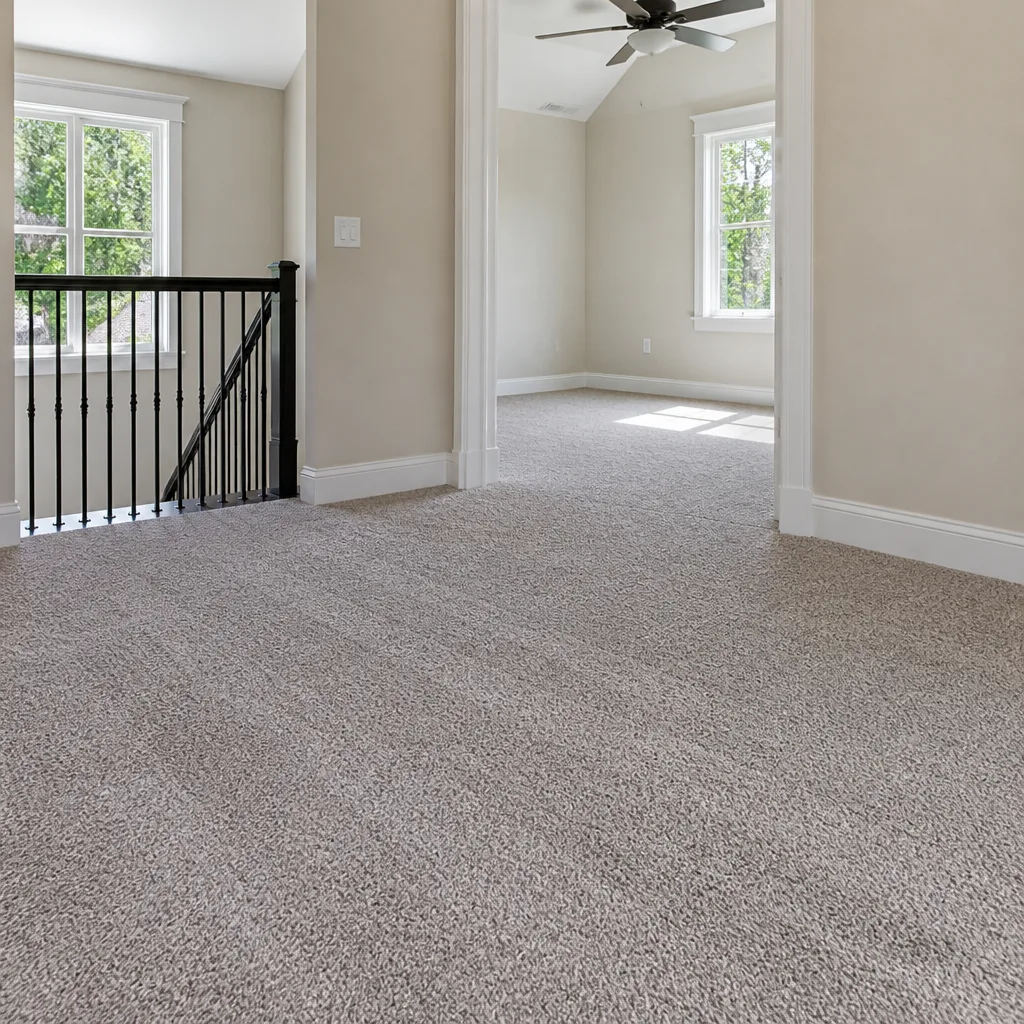 Carpet
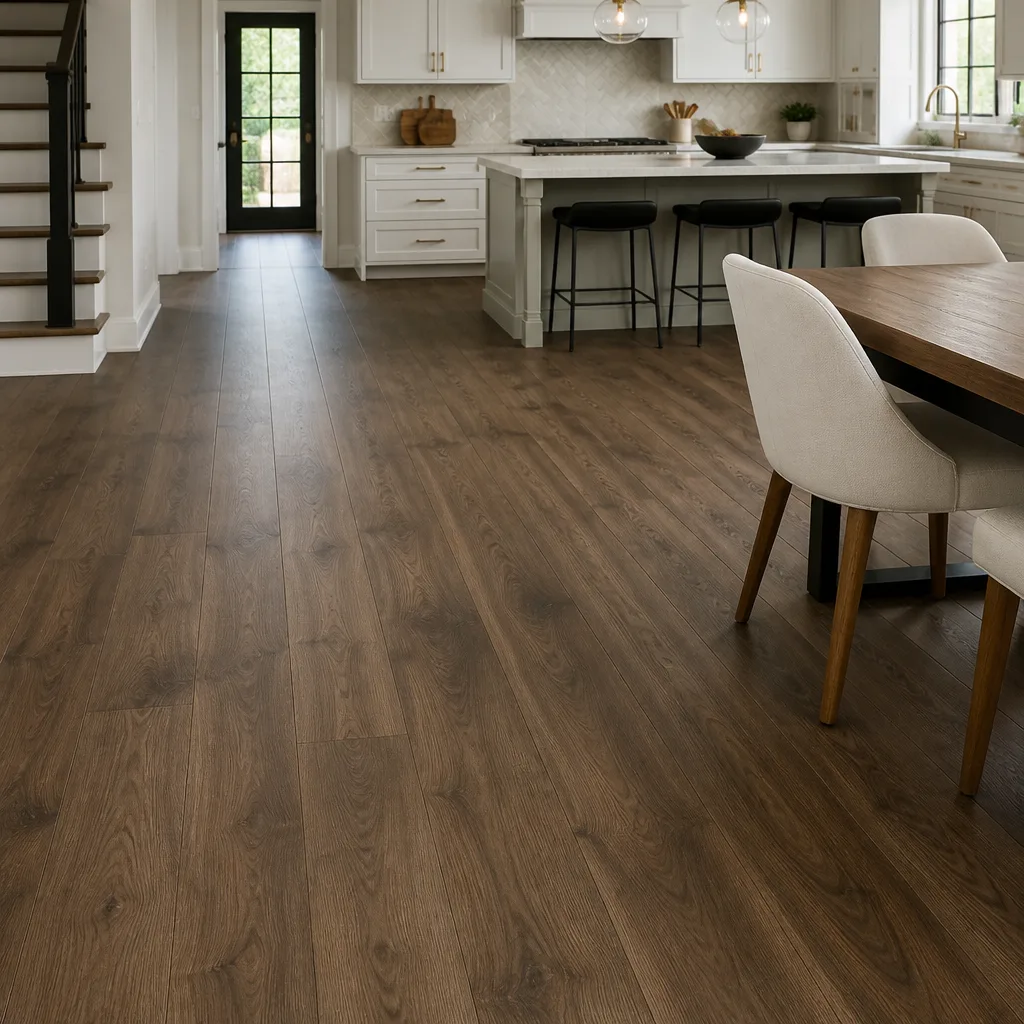 Shaw
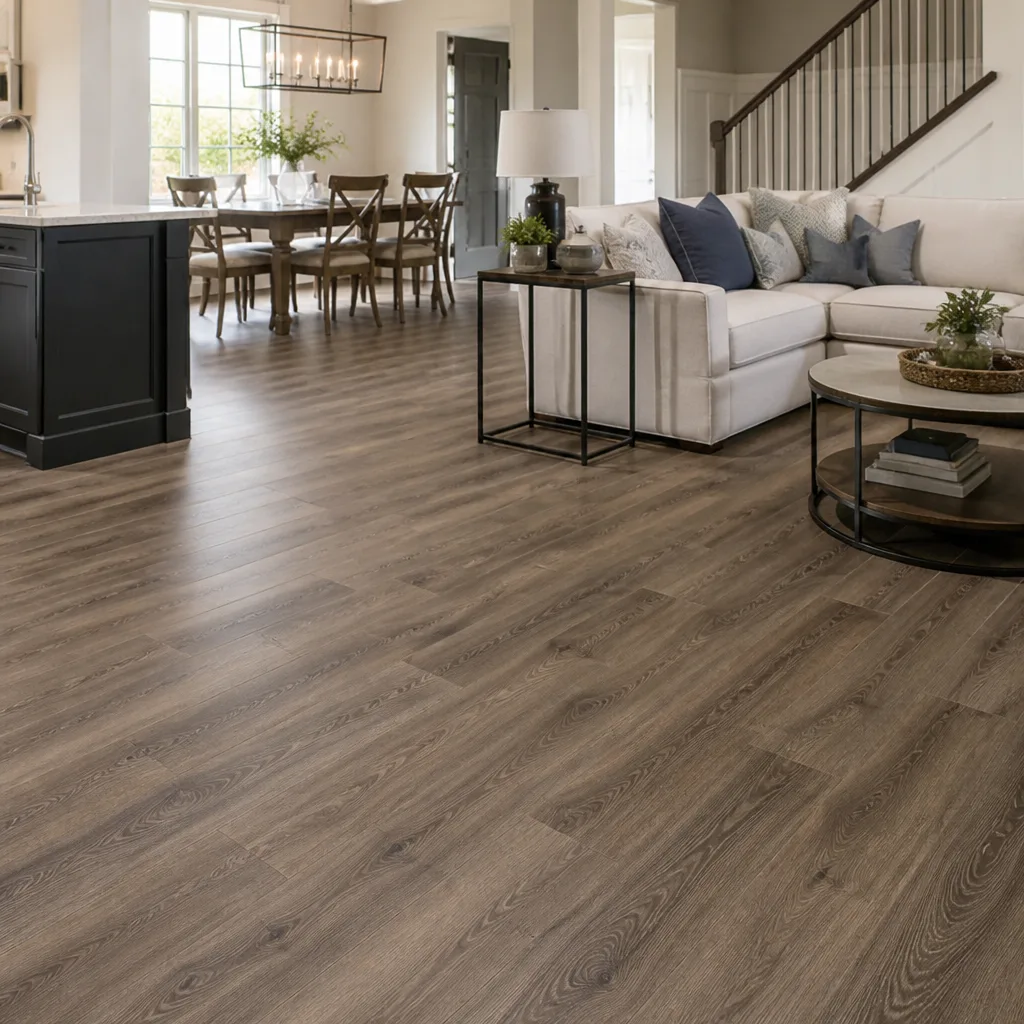 Mohawk
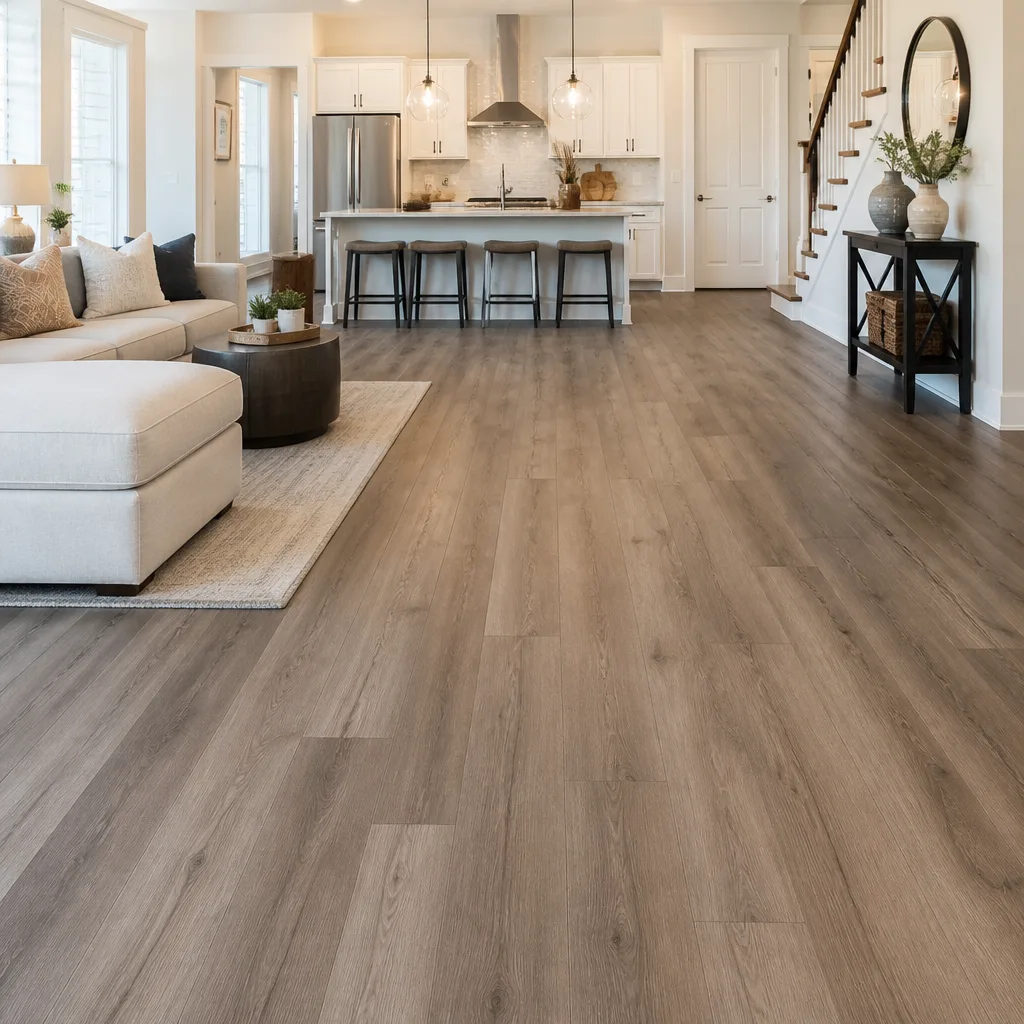 COREtec
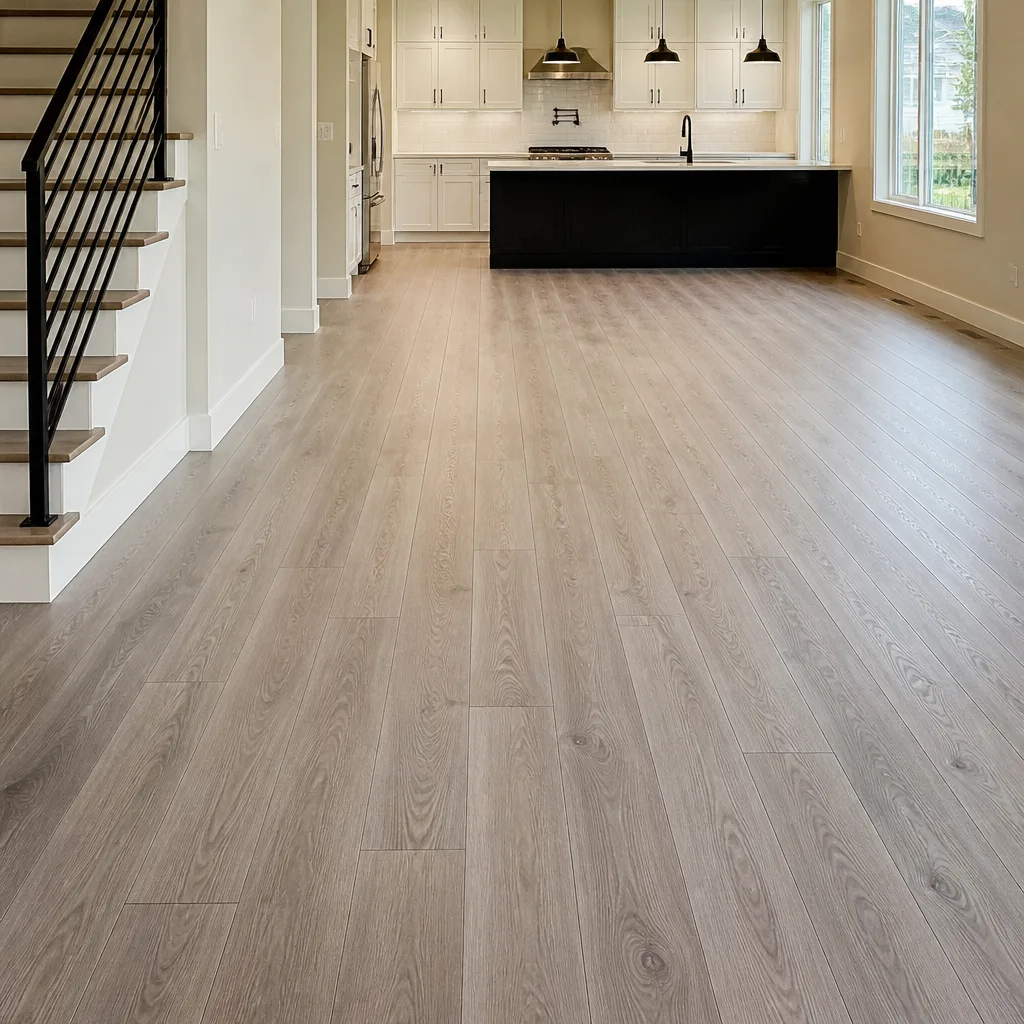 Pergo
Free in-home measure and written estimate: Shaw, Mohawk, COREtec and Pergo lines compared on your own rooms, with carpet, tile, vinyl plank, laminate and hardwood laid out side by side
Get your free estimateHow North Las Vegas’s Climate Can Affect Your Flooring Choice
Most flooring advice is written for a mild, humid climate that doesn’t exist here. North Las Vegas averages fewer than 5 inches of rainfall a year, and summer highs regularly climb above 110°F. That combination of extreme dry heat and near-zero humidity does things to flooring that generic guides simply don’t cover: solid hardwood shrinks and gaps, some laminates cup at the seams, and even tile can crack along grout lines when the slab beneath it moves. The product that looks great in a showroom photo may be the wrong one for a house off Losee Road or in Aliante. In this guide, we’ll walk through exactly how North Las Vegas’s climate stresses each flooring category, which constructions hold up, and how to match a material to your home, your rooms, and how you actually live.
Quick Answer
The best flooring for North Las Vegas’s climate is a dimensionally stable product that tolerates very low indoor humidity and big temperature swings: engineered hardwood, waterproof luxury vinyl plank like COREtec or LifeProof, or a properly installed porcelain tile with correct movement joints. Solid hardwood and thin laminates are the highest-risk choices in this desert because they expand and contract hard, and they’re likeliest to gap, cup, or delaminate. Installation details, especially underlayment and expansion gaps, matter as much as the material itself.
Styles & brands we work with
- Hardwood
- Engineered hardwood
- Luxury vinyl plank
- Laminate
- Porcelain tile
- Carpet
- Shaw
- Mohawk
- COREtec
- Pergo
Table of Contents
- Why Low Humidity Is the Biggest Threat to Your Floor
- The Temperature Delta Problem: Hot Rooms and Cold Floors
- Concrete Slabs, Seasonal Movement, and Why Tile Cracks
- Attic Radiant Heat and What It Does From Below
- Which Brands and Constructions Handle Arid Heat Best
- Matching the Floor to the Room in a North Las Vegas Home
- Why Installation Quality Decides the Outcome
- Refinish Before You Replace: Preserving Existing Hardwood
Why Low Humidity Is the Biggest Threat to Your Floor
Relative humidity indoors in a North Las Vegas home often drops below 20% during the summer, especially with the AC running hard. Wood is hygroscopic, meaning it absorbs and releases moisture from the air, and when the air is that dry, solid wood boards give up moisture and shrink. Shrinkage shows up as gaps between planks, cupped edges, and sometimes visible cracks along the grain. It’s not a manufacturing defect. It’s the material responding to the climate exactly as physics dictates.
That’s why most installers won’t warranty solid hardwood in this climate. The boards move so predictably through the seasons that the risk of callbacks is too high. Engineered hardwood solves the problem by cross-laminating a plywood core, which locks the board’s movement and makes it far more dimensionally stable. Luxury vinyl plank, which is a plastic composite, barely moves at all with humidity changes. In our experience, the homeowners who run into trouble in North Las Vegas are the ones who fell in love with a solid oak floor and didn’t hear the part about humidity.
What helps in a dry climate:
- Choose engineered hardwood over solid wood when you want a real wood surface.
- Choose a vinyl plank like COREtec or LifeProof for the most moisture- and movement-tolerant option.
- Keep indoor humidity in a moderate range with a hygrometer and a whole-home or room humidifier through the summer.
- Accept small seasonal gaps in any wood floor; they close again when humidity rises.
- Avoid running the AC so aggressively that indoor air gets bone-dry.
If you’re weighing materials and want an honest read on which ones survive here, our Flooring Installation North Las Vegas page is a good place to start the conversation.
The Temperature Delta Problem: Hot Rooms and Cold Floors
North Las Vegas homes battle a temperature delta that most flooring guides ignore. Garage-adjacent rooms, west-facing living rooms, and sunroom additions can hit 90°F or higher before the AC catches up in the afternoon. Then the sun goes down and the space cools fast. That daily swing puts stress on any floor that expands with heat, and the wrong construction will telegraph that stress as buckling, gapping, or adhesive failure.
The two vinyl plank constructions handle heat differently:
- WPC (wood plastic composite) has a foamed core that’s more forgiving of minor subfloor imperfections and insulates a little better underfoot. It handles moderate temperature swings well.
- SPC (stone plastic composite) has a dense, rigid mineral core that’s more dimensionally stable under heat and heavier loads, but it’s less tolerant of an uneven subfloor.
For a west-facing room that gets hammered by afternoon sun, an SPC plank with a stable core is the safer bet. For a bedroom over a slightly uneven slab, a WPC plank can reduce the risk of telegraphing. Neither is a magic shield against heat: if the room hits 100°F before the AC kicks in, even a good plank is being tested. That’s why underlayment, expansion gaps at the walls, and a properly leveled substrate matter as much as the product name on the box.
Two practical moves for west-facing and garage-adjacent rooms in North Las Vegas:
- Add solar shades, exterior window film, or blackout blinds to cut afternoon heat gain before it reaches the floor.
- Keep a 1/4-inch to 1/2-inch expansion gap at the perimeter and cover it with baseboard or quarter round, so the plank has room to move.
If you’re not sure how much heat a specific room sees, we can walk the space at the free estimate and flag the trouble spots. Call North Las Vegas at (888) 515-5223. We answer 24/7. Fast dispatch from 7am to 7pm, Sunday through Friday.
Concrete Slabs, Seasonal Movement, and Why Tile Cracks
Most North Las Vegas homes sit on concrete slab foundations. The slab itself is not perfectly still. It expands and contracts with the seasons, and the soil beneath it moves with moisture cycles. Tile and stone are the “obvious” desert choice, and they are a great fit for kitchens, bathrooms, and entryways. But tile installed directly on a slab without proper movement joints is a setup for cracked grout lines and tiles that pop loose in a year or two.
The fix is not exotic, but it demands discipline:
- Check the slab for cracks and moisture before install. A qualified installer should scan the slab, note existing cracks, and plan for them.
- Use an uncoupling membrane or crack-isolation membrane over the slab to let the tile float independently of slab movement.
- Honor the movement joints. That means expansion joints at the perimeter and through the field where the slab warrants, plus soft joints at transitions between rooms.
- Pick the right tile for the room. Porcelain is denser and less porous than ceramic; Daltile offers both, plus natural stone. For a busy entry or kitchen, porcelain is generally the safer spec.
- Follow the manufacturer’s instructions on adhesive and grout. The product sets its own spec, and it matters.
Years of experience with tile installation (all of our technicians have up to 12 years) is exactly what saves you from a cracked floor. The material is only half the job. Our tile flooring installation work is where that discipline shows.
Attic Radiant Heat and What It Does From Below
Many North Las Vegas properties are single-story ranch homes. That means the attic sits directly over the living space, and in summer, attic temperatures can climb well past 130°F. Radiant heat from the attic radiates down through the ceiling and hits the floor from above; meanwhile, the floor itself absorbs heat from below through the slab. The result is a floor that endures more heat cycling than the same product would in a cooler climate.
Two consequences worth knowing:
- Adhesives take the stress. Carpet, laminate, and glued-down vinyl all rely on adhesive or a mechanical bond. If adhesive specs weren’t matched to the heat load, you’ll see lifting, curling, or hollow spots. Real installers spec the adhesive to the job, not the cheapest tub on the shelf.
- Underlayment and pad matter. A good carpet pad adds a thermal and acoustic buffer, and a properly rated underlayment under a floating plank floor adds stability. Inexpensive pad is a false economy in this climate.
Attic insulation and ventilation upgrades are the long-term fix, and they’re outside the flooring scope. But even without those upgrades, choosing a heat-tolerant product, a quality pad, and an adhesive spec’d for the job makes the floor last far longer. If you’re buying a North Las Vegas home with an unimproved attic, factor this into your flooring plan.
Which Brands and Constructions Handle Arid Heat Best
The right answer depends on how much real wood you want underfoot versus how much stability you need. Here’s how to think about the brands we install most often in this climate:
- LifeProof is a waterproof luxury vinyl plank designed for moisture-prone spaces and active households. In a North Las Vegas kitchen, bathroom, or laundry room, it takes the humidity swings and heat cycling better than any wood product.
- COREtec offers a WPC-core waterproof plank, which is a strong choice for the rooms that see the biggest heat delta, like a west-facing family room or a room next to the garage.
- Mannington makes engineered hardwood and LVP across multiple tiers. Engineered hardwood from Mannington is a reasonable way to get a real wood look with a base that moves less than solid wood would.
- Armstrong covers a broad range of LVP, laminate, and engineered flooring. It’s a solid middle-of-the-road spec for a home that needs durability without going premium.
- Daltile is our go-to porcelain and ceramic tile line. Porcelain is the most heat- and moisture-tolerant hard surface you can put in a North Las Vegas home, as long as the slab is prepped and the movement joints are honored.
- Shaw and Mohawk give us carpet lines at multiple performance tiers, which matters for bedrooms and stairs where the pad and fiber spec do the climate work.
- Pergo and Karndean round out the portfolio for customers who want laminate or premium LVP, including Karndean’s commercial-grade options for high-traffic homes and rental properties.
Nine brands, one decision. That’s the point of the portfolio: we’re not married to a single vendor’s answer to a given room. We match the product to the space, and that’s where a specialist beats a shelf.
Matching the Floor to the Room in a North Las Vegas Home
Climate stress is not uniform across a house. Room-by-room is where a good floor plan comes together:
- Kitchen and bathrooms: waterproof LVP (COREtec, LifeProof) or porcelain tile. Both take the humidity swings and stand up to spills, and neither gaps the way solid wood will.
- Living areas and bedrooms: engineered hardwood (Mannington, Armstrong) or a quality LVP. If you want the feel of wood without the humidity risk, engineered is the balanced choice. If you want warmth, a Shaw or Mohawk carpet with a good pad handles the dry air well and stays comfortable.
- Entryways and hallways: porcelain tile (Daltile) or a durable SPC plank. High traffic plus heat gain from the door make this a spot where resilient wins.
- Laundry rooms and utility areas: waterproof LVP. The one place where the answer is never wood.
- Garage-adjacent rooms: SPC or WPC plank. Heat swings and possible moisture make resilience the top priority.
- Rental units and property-managed homes: LifeProof, COREtec, or Karndean. Durable, cleanable, and forgiving of tenant turnover.
If you’re working through this for a North Las Vegas property, our carpet installation team can handle the bedrooms and soft surfaces while the same company runs the tile and refinishing work. Three focused services from one source avoids the coordination cost and finger-pointing of hiring three contractors.
Why Installation Quality Decides the Outcome
A great product installed poorly will fail faster than a mid-grade product installed correctly. That’s the part most flooring articles skip. In North Las Vegas’s climate, three installation details make or break a floor:
- Subfloor prep. On a slab, that means cleaning, checking for cracks and moisture, and flattening the surface before any plank or tile goes down. The tolerance is set by the product, and it matters.
- Expansion gaps and movement joints. A plank floor needs room at the perimeter to move. Tile needs movement joints through the field. Skipping either is a fast route to buckling or cracked grout.
- Adhesives and pad spec’d to the job. This is where a specialist installer separates from a generalist. Carpet pad weight and density, tile adhesive and grout choice, and underlayment rated for the room all get decided before the first box opens.
Our technicians have up to 12 years of experience, and that tells you they’ve seen the failure modes and know how to avoid them. When the right product meets a proper install, the floor is installed once, done right. The schedule and the written estimate are set at the free estimate visit, so you know exactly what’s being installed and when.
Refinish Before You Replace: Preserving Existing Hardwood
If you already have hardwood in your North Las Vegas home, don’t assume the climate means it has to be replaced. Even in a dry climate, many solid hardwood floors can be refinished, which removes the surface wear and lets the wood come back to life without ripping out an investment. Refinishing is a standalone service for a reason: it’s a preservation move, not a sales channel.
Whether a floor can be refinished depends on two things:
- Wood thickness. Sanding removes a thin layer with each pass. Thinner floors (or floors that have already been sanded several times) may not have the material left to refinish safely.
- Condition. Cupping, water damage, or boards that have shrunk and gapped significantly may need replacement rather than refinishing, or refinishing plus targeted repairs.
We check both at the estimate visit and tell you honestly whether refinishing will get you a durable result or whether replacement makes more sense. The wood’s condition and product instructions set the final scope, and the written estimate sets the price. It’s often the case that refinishing extends the life of a floor for years and keeps the character of a home that a new plank floor just can’t match.
Common Mistakes to Avoid
- Buying a solid hardwood floor for a desert home. It will shrink and gap through the dry season; some installers won’t warranty it here at all. Choose engineered hardwood or LVP instead.
- Installing tile on a slab without a membrane or movement joints. The slab moves with the seasons, and tile will crack along grout lines if it isn’t allowed to accommodate that.
- Ignoring the attic. A single-story North Las Vegas home with an unimproved attic pushes radiant heat down through the ceiling and stresses adhesives. Underlayment and pad choice need to account for it.
- Using the cheapest pad under carpet. It’s false economy in this climate. A quality pad extends carpet life and handles the dry air and heat cycling far better.
- Skipping the free in-home estimate. Walking the actual rooms catches heat-gain spots, slab issues, and moisture problems that a showroom photo can’t show.
- Assuming “waterproof” means you can ignore water. Waterproof-rated LVP like COREtec and LifeProof won’t damage from the surface, but standing water and moisture from below still need to be addressed.
- Refinishing a floor that doesn’t have the thickness for it. Check before you sand. Some floors don’t have the material to refinish safely, and going too far means replacement.
See the difference
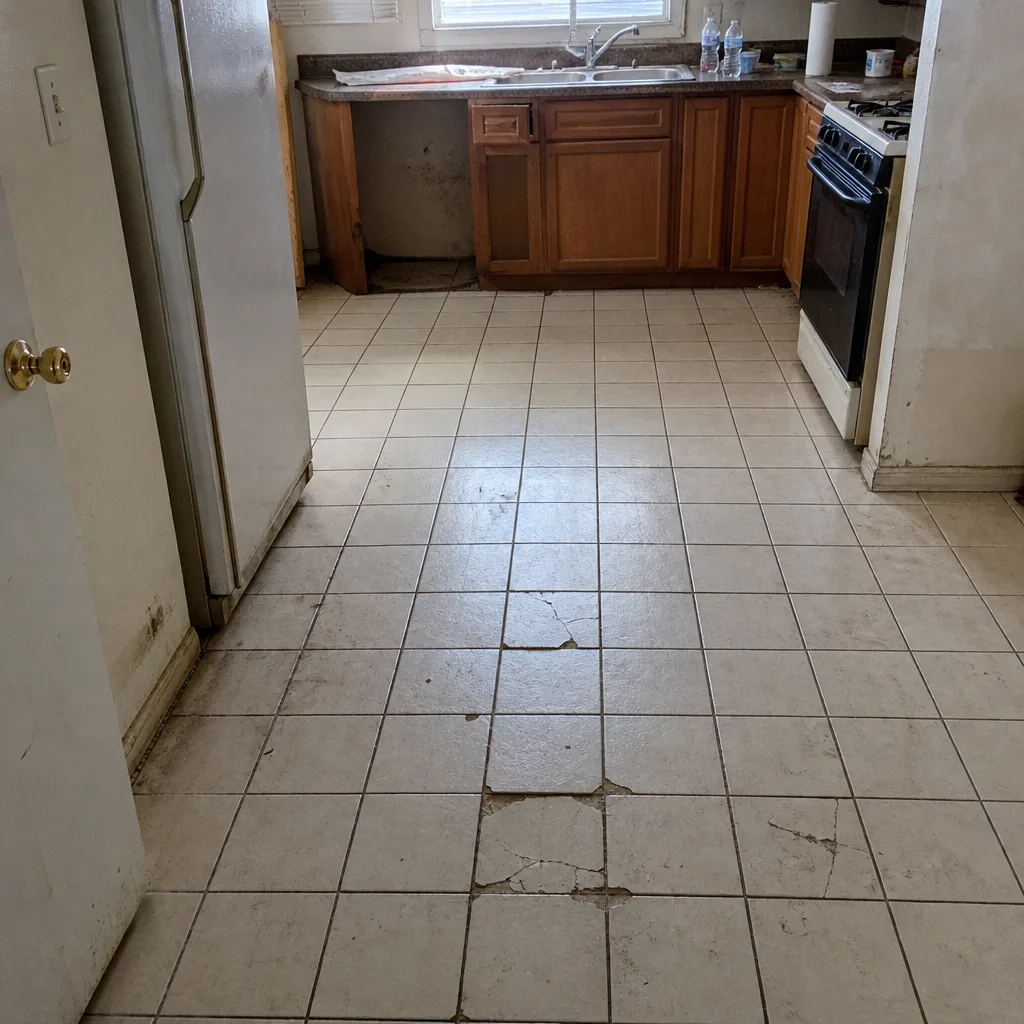 Before
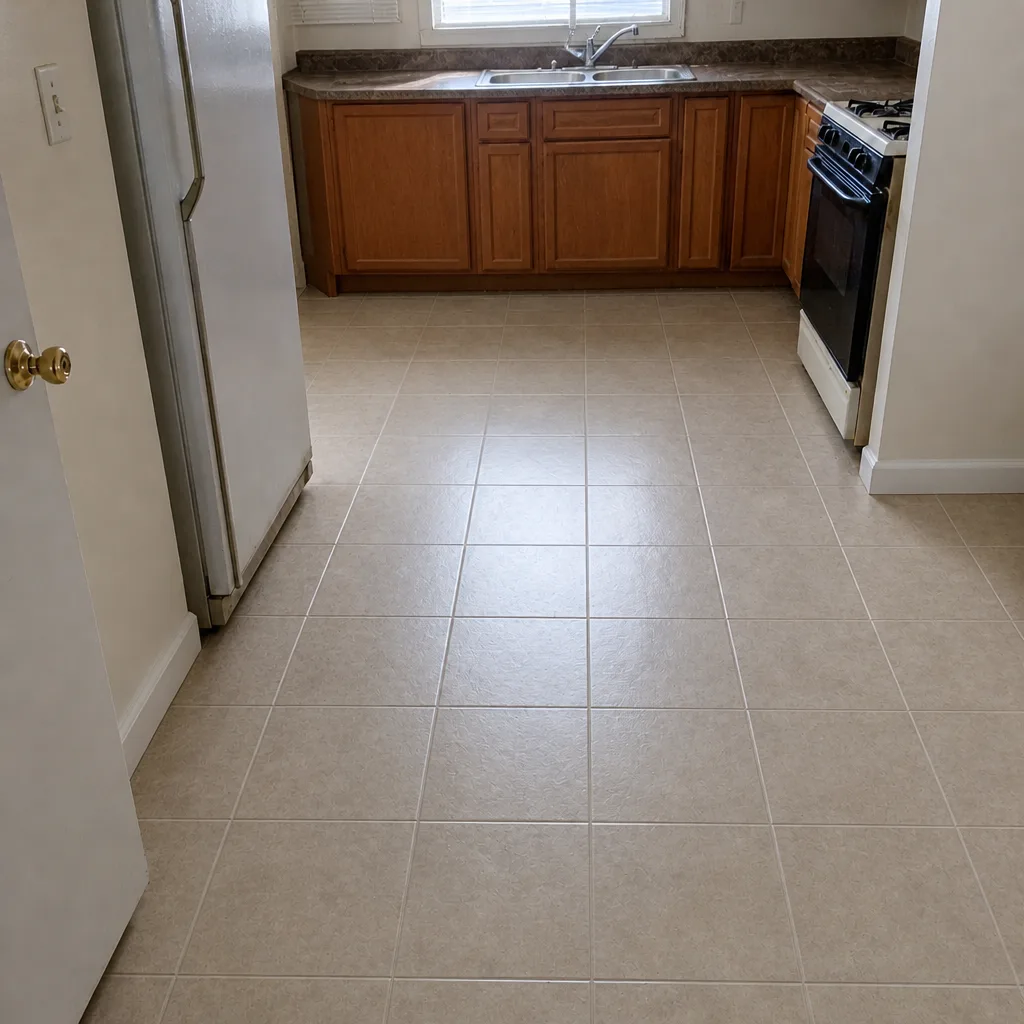 After
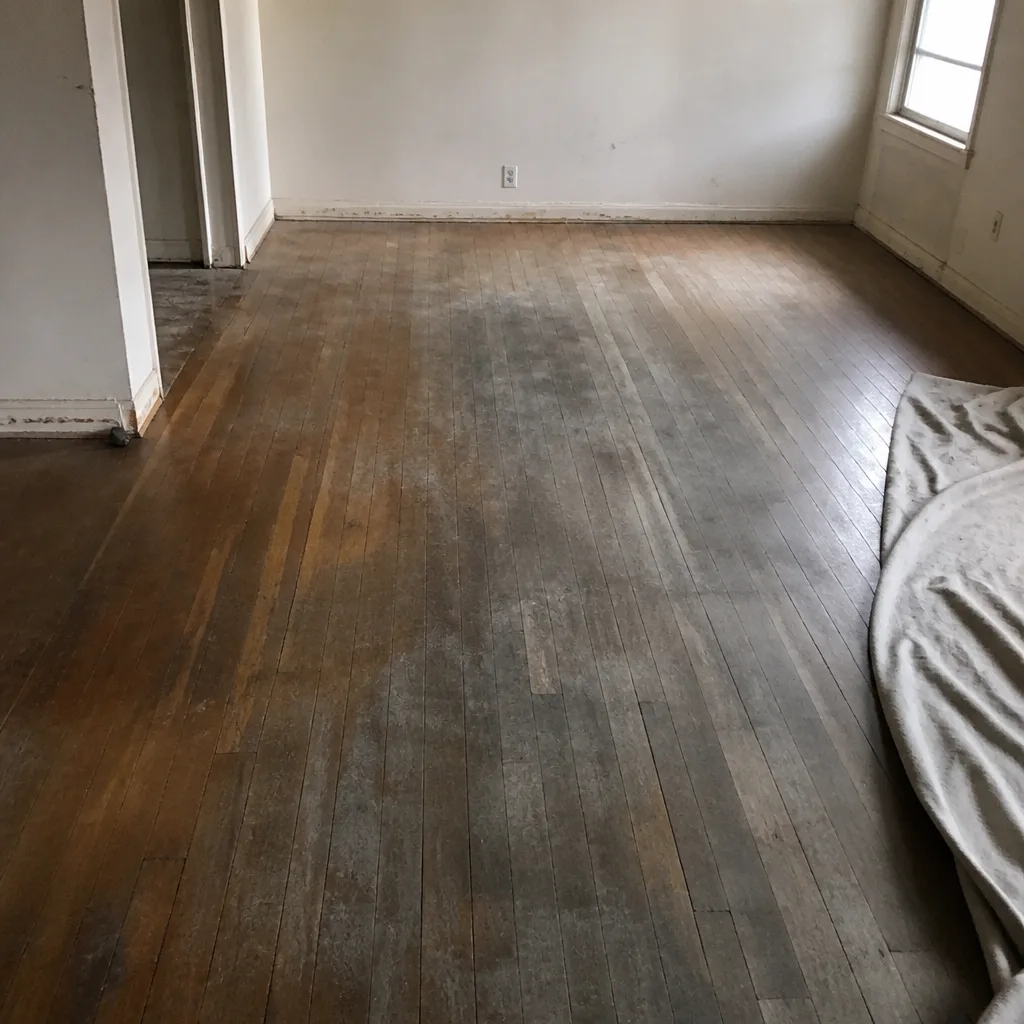 Before
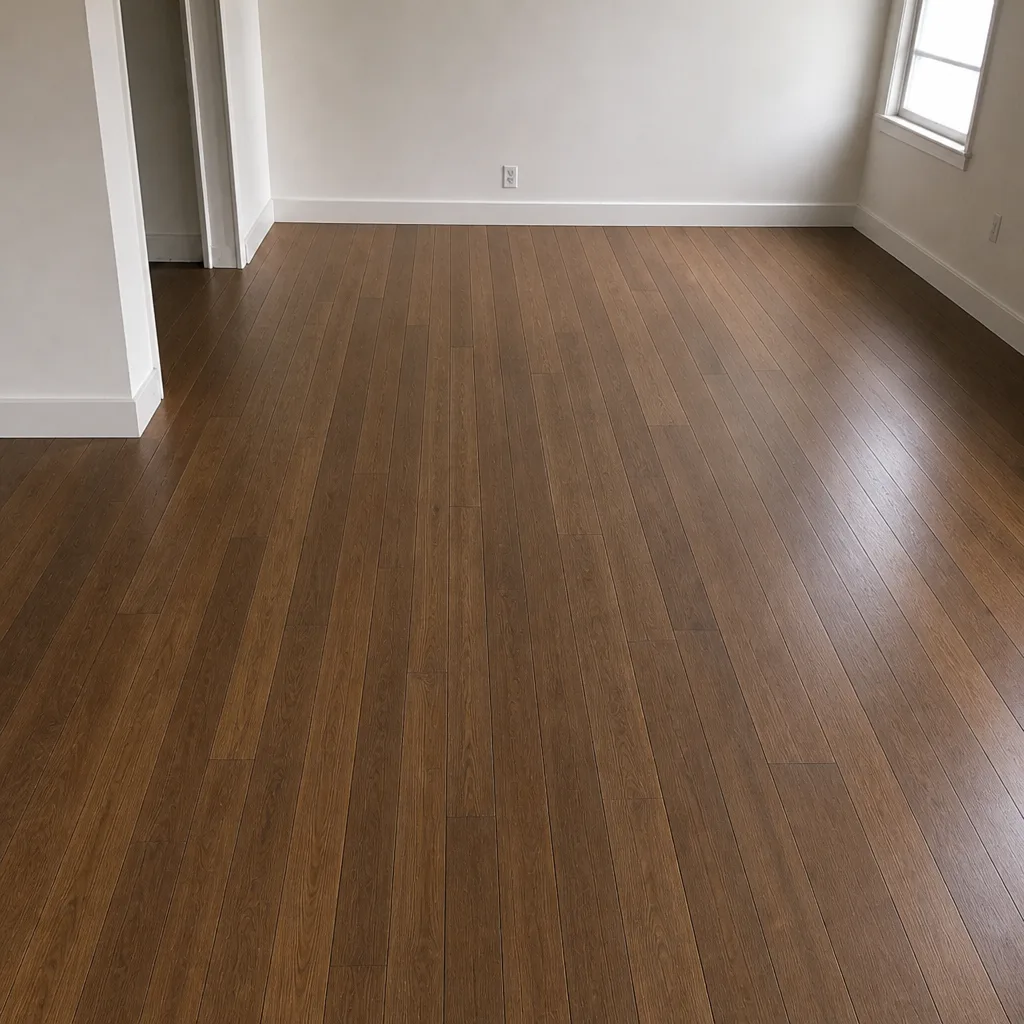 After
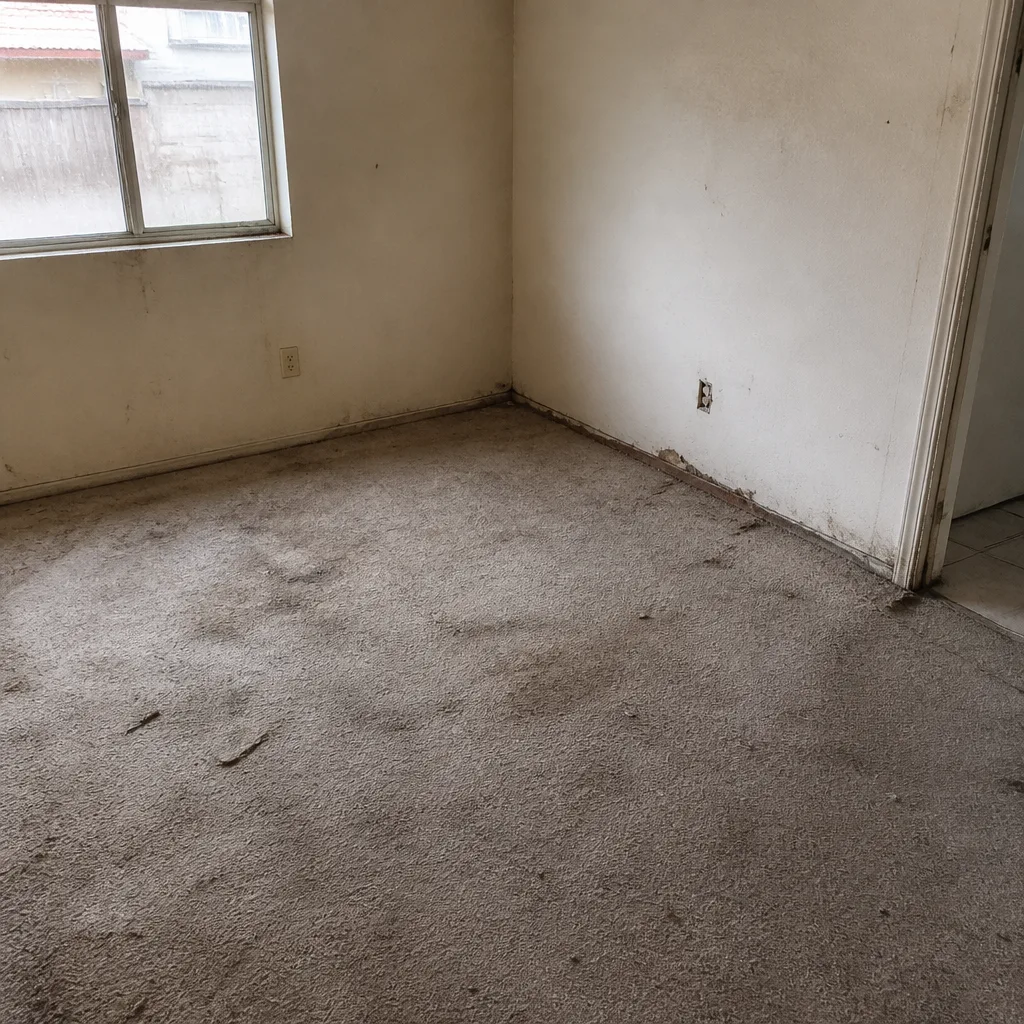 Before
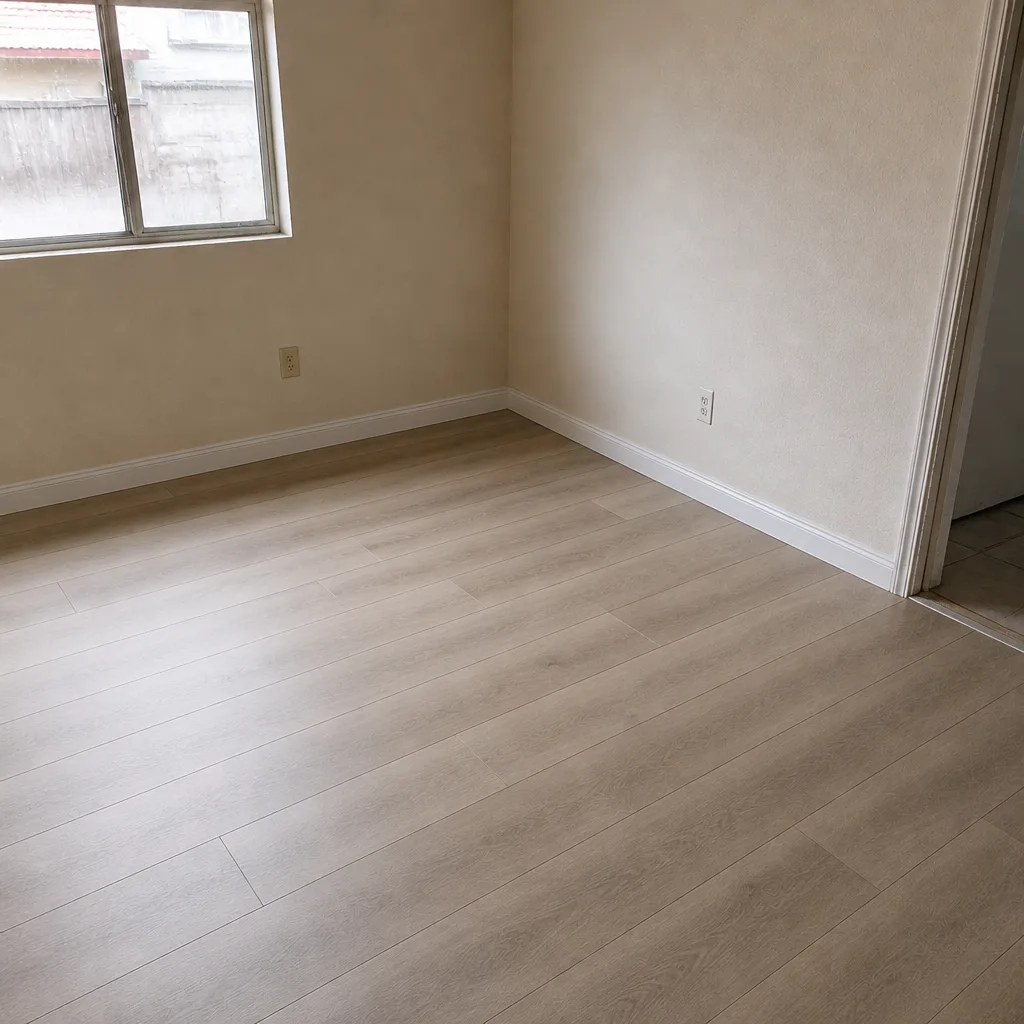 After
When to Call a Professional
Some jobs are worth a call rather than a weekend. If you’re installing tile over a concrete slab, refinishing existing hardwood, or installing a floating plank floor in a room with big heat swings, a trained installer prevents the most expensive mistakes. The same is true if you’ve pulled up carpet and found moisture, cracks in the slab, or a subfloor that isn’t flat. Refinishing requires judgment about how much wood is left and whether the boards can take another sand. Hardwood floors that are cupping or gapping badly need an inspection before anything else happens. Flooring Installation North Las Vegas offers free estimates in North Las Vegas – call (888) 515-5223. We answer 24/7. Fast dispatch from 7am to 7pm, Sunday through Friday. The price is set per job by the written estimate, and the product and installation scope are confirmed on site.
Frequently Asked Questions
The best choice is usually a dimensionally stable product: engineered hardwood, waterproof luxury vinyl plank like COREtec or LifeProof, or porcelain tile installed with the right membrane and movement joints. Solid hardwood and thin laminates are highest risk here because low humidity and heat cycling cause them to gap, cup, or delaminate.
You can, but the risk is high. The indoor air here often drops below 20% relative humidity in summer, which causes solid wood to shrink and gap predictably. Most installers won’t warranty it in this climate. If you want the look of wood, engineered hardwood is the more stable choice.
Tile usually cracks because the concrete slab beneath it is moving seasonally and the tile wasn’t given room to accommodate that movement. An uncoupling membrane and proper movement joints at the perimeter and through the field are the standard fix. If you’re seeing repeated cracks, the underlying slab condition needs to be checked before the next install.
Waterproof luxury vinyl plank like COREtec and LifeProof is water-resistant through the plank itself, so surface spills won’t damage it. That’s a real advantage in kitchens and bathrooms. It’s not a license to ignore water: standing water and moisture coming up from the slab still need to be dealt with. Our team can check the room during the estimate.
Quality carpet with a proper pad handles dry air well. The bigger risks are cheap pad and poor installation, which cause premature wear and matting. Shaw and Mohawk offer multiple performance tiers, so the right fiber and pad spec make a real difference in a desert home.
The price depends entirely on the material, the room, the subfloor condition, and the installation scope, and it’s set per job by the written estimate. Estimates are free, and there are no fees for the visit. Call (888) 515-5223 for an exact quote. We answer 24/7. Fast dispatch from 7am to 7pm, Sunday through Friday.
The Bottom Line
North Las Vegas’s climate is unforgiving to the wrong flooring choice and surprisingly kind to the right one. Low indoor humidity causes solid hardwood to shrink and gap; heat swings in west-facing and garage-adjacent rooms stress adhesives and buckles under-spec’d planks; concrete slabs move seasonally and crack tile installed without a membrane or movement joints; and single-story attic heat pushes radiant heat down through the floor from above. The good news is that engineered hardwood, waterproof LVP like COREtec and LifeProof, and properly installed porcelain from Daltile are all engineered to handle these conditions. Nine brands, one decision, and a free in-home estimate that sets the price in writing. If you’re ready to move on your floor, call (888) 515-5223 for a free estimate. We answer 24/7. Fast dispatch from 7am to 7pm, Sunday through Friday.
Written by the team at Flooring Installation North Las Vegas.